Woman applying a facial mask to her face while looking in a mirror during her skincare routine.

What is Slugging in Skincare and How to Do It

Show more

Slugging is a skincare trend that has gained popularity for its simple approach to helping maintain skin hydration overnight. Often used by those with dry or dehydrated skin, it involves applying an occlusive product as the final step in an evening skincare routine1.

While slugging may help reduce moisture loss and support skin comfort, it is not suitable for all skin types, so understanding how it works and when to use it is important for achieving the best results. In this guide, we explain what slugging means, its potential benefits and limitations, who it may be suitable for, and how to incorporate it into your skincare routine, including the role of Aquaphor Healing Ointment®.
What is slugging?

Slugging is a skincare method that involves applying an occlusive balm or ointment as the final step in a nighttime skincare routine. The term "slugging" comes from the dewy or glossy appearance the skin may have after application and has become a popular approach for helping to maintain skin hydration overnight1.

Slugging involves applying an occlusive balm as the final step in an evening skincare routine to help reduce moisture loss and support hydration retention overnight.

How does slugging work?

Slugging is based on the principle of reducing transepidermal water loss (TEWL), the natural process by which water evaporates from the skin2. By applying an occlusive balm or ointment as the final step in a nighttime skincare routine, a layer is formed on the skin's surface that can help limit moisture loss and support hydration retention overnight3, particularly when the skin feels dry.

Slugging can help reduce transepidermal water loss (TEWL), helping the skin retain moisture overnight.

What are the pros and cons of slugging?

Slugging may offer benefits for certain skin types, particularly when the skin feels dry or uncomfortable2. However, results can vary from person to person, and the technique may not be suitable for everyone.

What are the benefits of slugging?

Slugging can offer several benefits for dry   skin, particularly when used as part of an evening skincare routine3:

  • May help reduce moisture loss overnight: Helping the skin retain hydration while you sleep.
  • Can support skin comfort: Particularly when the skin feels dry or exposed to harsh environmental conditions.
  • May leave skin feeling softer: Helping improve the feeling of dryness or roughness.
  • Helps support the final step of a skincare routine: Helping maintain the hydration provided by previously applied products.

What are the possible drawbacks of slugging?

While slugging may be beneficial for some skin types, there are a few considerations depending on individual skin needs and preferences4:

  • May feel rich or heavy on the skin: Particularly for those who prefer lightweight skincare products.
  • Can require some trial and adjustment: Different skin types may respond differently to occlusive products.
  • May not suit everyone: Individual preferences and skin needs should always be considered.
Slugging may help support skin hydration and comfort in dry skin, but it may feel too rich for some skin types and should be tailored to individual needs.

What skin types is slugging suitable for?

Slugging is most commonly used by people with skin that feels dry or in need of additional comfort, particularly in response to environmental factors2:

  • Dry skin
  • Skin that feels temporarily tight or uncomfortable
  • Skin exposed to cold, wind, or low-humidity environments

Is slugging suitable for oily skin?

Slugging is not exclusively designed for dry skin, but it may feel too rich for some people with oily or blemish-prone skin1. Because individual skin responses can vary, it may be helpful to introduce slugging gradually and monitor how your skin feels.

Does slugging clog pores?

Depending on the product used, slugging does not necessarily clog pores. However, applying a rich occlusive product may not feel comfortable for everyone, particularly those who are prone to congestion or frequent breakouts1. Choosing a suitable product, applying a thin layer, and paying attention to how your skin responds will help determine whether slugging is appropriate for your routine.

If you are unsure whether slugging is suitable for your skin, consider seeking advice from a dermatologist.

What products should you use for slugging?

Not all skincare products are suitable for slugging. The most appropriate options are typically occlusive products that help reduce moisture loss and support skin comfort overnight.

What to look for in a slugging product

Look for a slugging product that contains a formula with ingredients that help support the skin’s natural moisture balance:

  • Occlusive ingredients: Help reduce moisture loss by forming a protective layer on the skin2.
  • Glycerin: Helps attract and retain moisture in the skin5.
  • Panthenol: Helps support skin comfort and care for dry or stressed areas6.

Why Aquaphor Healing Ointment® is suitable for slugging

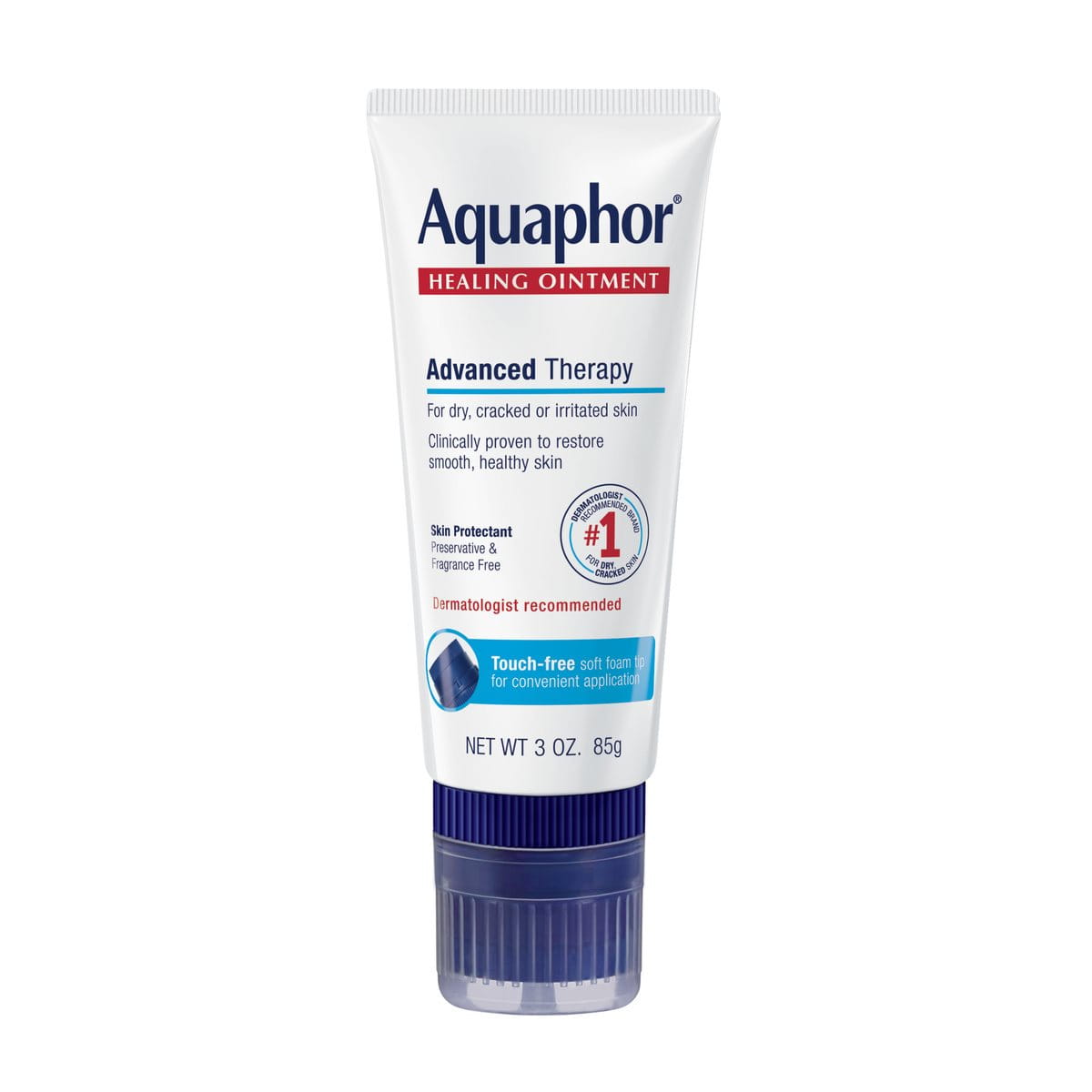
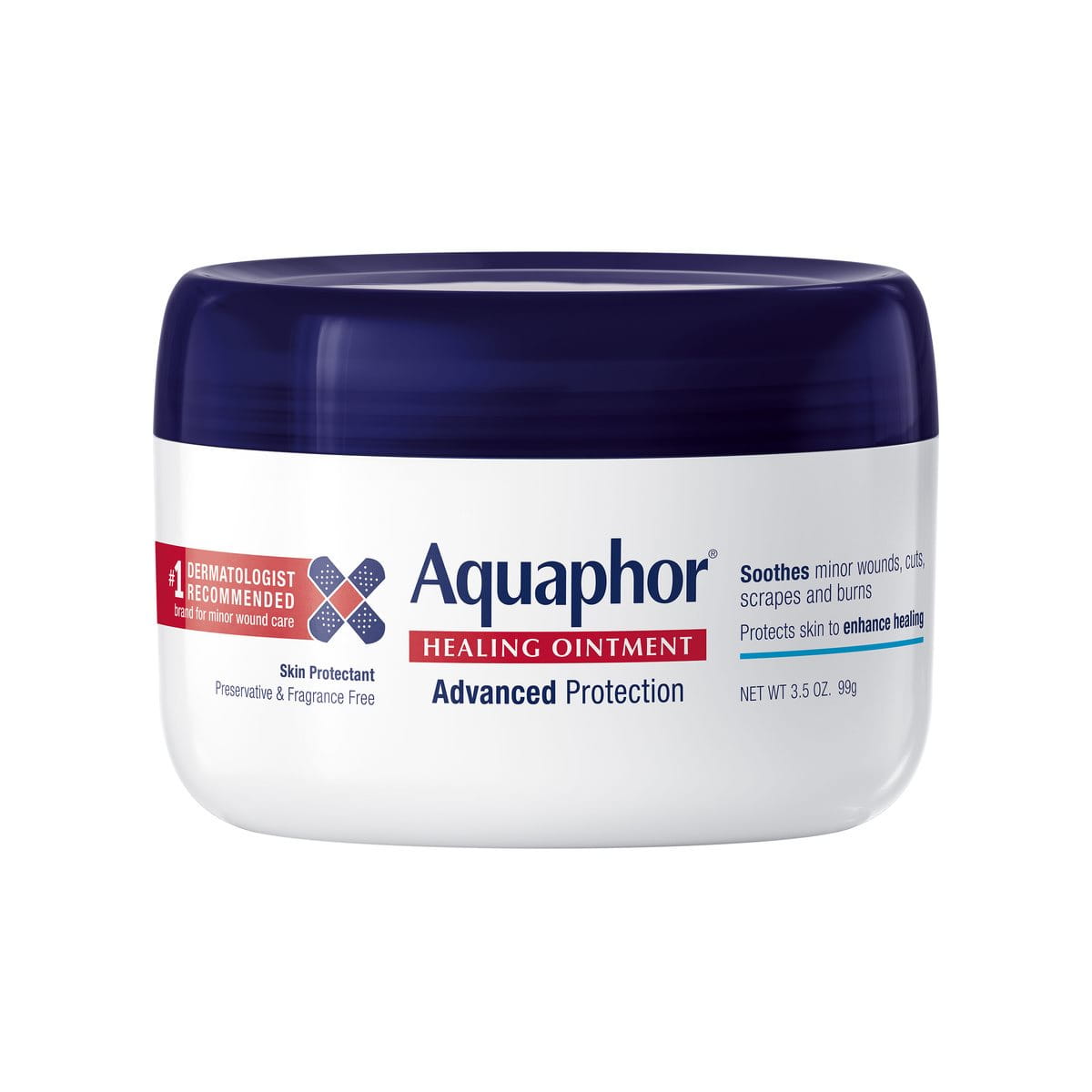
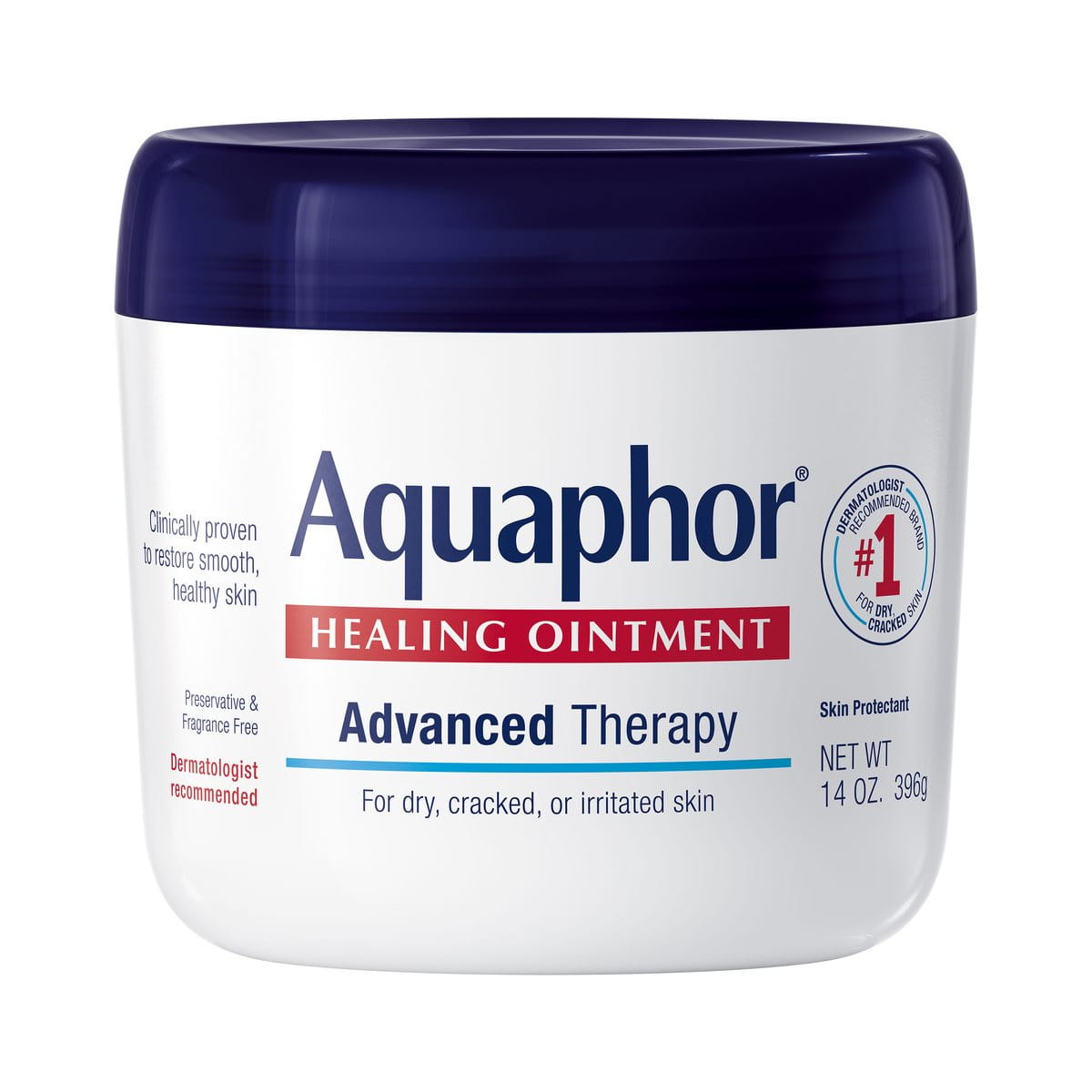
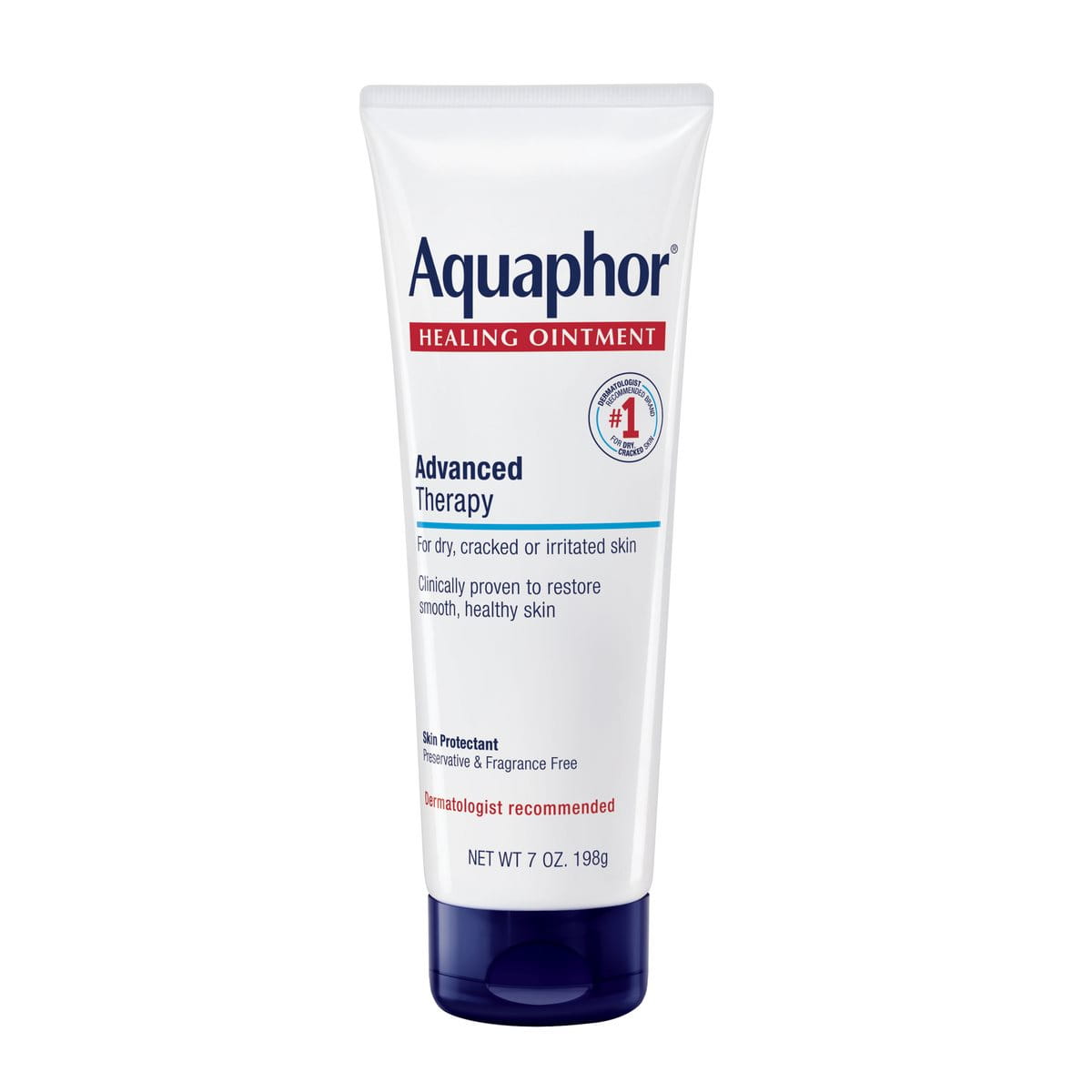
Aquaphor Healing Ointment® is a water-free ointment designed to care for very dry, cracked or irritated skin. It forms a semi-occlusive protective layer on the skin’s surface, helping to reduce moisture loss and support skin comfort overnight. The formula contains Glycerin and Panthenol to moisturize, nourish and protect the skin to enhance healing, and is preservative and fragrance-free.

Slugging skincare routine

Slugging is typically performed as the final step in an evening skincare routine, after the skin has been cleansed and hydrated1. Applying products in the correct order helps ensure the skin is properly prepared and able to retain moisture overnight.

Step 1: Cleanse the skin

Begin with a gentle cleanser to remove any makeup, SPF, and impurities. Clean skin provides a suitable base for the rest of your evening skincare routine.

Step 2: Apply hydrating skincare products

After cleansing and drying your skin, apply a moisturizer to your skin. This step supports the skin’s hydration levels before an occlusive product is applied.

Aquaphor® Hydrating Daily Lotion is a face and body moisturizer that’s clinically tested to strengthen the skin’s moisture barrier, providing 72 hours of breathable, smooth hydration in a lightweight, fast-absorbing formula enriched with 6% Hyaluronic Acid, Ceramides, and Glycerin. This hypoallergenic, noncomedogenic lotion is free of fragrance, parabens, and dyes and is accepted by the National Eczema Association (NEA). Formulated for normal to dry skin, and appropriate for sensitive skin, this non-greasy moisturizer absorbs quickly into the skin and is great for daily skincare.

If you prefer a richer formula for dry or dry and sensitive skin, try Aquaphor® Moisturizing Cream. Its formula enriched with 9% Hyaluronic Acid, Ceramides, Shea Butter, and Glycerin has been clinically tested to strengthen the skin’s moisture barrier and provides 48 hours of breathable, silky moisture. This lightweight, non-greasy moisturizing cream for face and body instantly soothes and nourishes skin, and is hypoallergenic and fragrance-free.

Step 3: Apply a moisturizing ointment with occlusive properties

Apply a thin, even layer of Aquaphor Healing Ointment® to areas that feel dry or need additional comfort. As a semi-occlusive ointment, it forms a protective layer on the skin’s surface to help reduce moisture loss overnight. When applying Aquaphor Healing Ointment® to your face, be sure to avoid getting it in your eyes.

Step 4: Leave overnight and cleanse in the morning

Leave the product on overnight to support hydration retention. In the morning, cleanse the skin as usual and continue with your regular skincare routine.

Slugging is typically used as the final step in an evening skincare routine to help reduce moisture loss and support skin hydration overnight.

How often can you use slugging in your skincare routine?

Slugging should be tailored to individual skin needs and how the skin responds. Some people may choose to use it a few times per week, while others may prefer occasional use when the skin feels particularly dry or in need of additional comfort7.

Can you use slugging on the body?

Slugging can also be used on areas of the body that feel very dry or rough, such as the hands, elbows, knees, and heels. Applying an occlusive layer to these areas may help reduce moisture loss and support skin comfort, particularly in dry or cold conditions2.

Summary: Is slugging right for you?

Slugging is a skincare technique that involves applying an occlusive product as the final step in an evening routine to help reduce moisture loss and support skin hydration overnight. It may be particularly suitable for dry skin, although it is not appropriate for all skin types and should be adapted based on individual skin needs and comfort. When used appropriately, slugging can be a helpful addition to a skincare routine focused on maintaining hydration and supporting overall skin comfort.

Ready to try slugging with Aquaphor®? Try Aquaphor Healing Ointment®, available in several convenient sizes and formats to suit your skin and your lifestyle.

FAQs: Slugging skincare (10)

  • What is the meaning of slugging in skincare?

    Slugging is a skincare technique where an occlusive product is applied as the final step in an evening routine to help reduce moisture loss and support skin hydration overnight.

  • What does slugging do for your skin?

    Slugging helps form a protective layer on the skin’s surface, which may reduce moisture evaporation and support hydration retention while you sleep.

  • How do you do slugging properly?

    Slugging is typically done at night as the final step in your skincare routine. After cleansing and applying hydrating products, a thin layer of an occlusive balm is applied to help reduce moisture loss overnight.

  • What products are used for slugging?

    Occlusive skincare products are typically used for slugging. Aquaphor Healing Ointment® can be used as the final step in an evening routine to help support skin comfort and reduce moisture loss.

  • Does slugging clog pores?

    Slugging does not directly clog pores, but because it forms a rich occlusive layer, it may feel too heavy for some skin types, particularly those prone to congestion.

  • Can you do slugging every night?

    Some skin types may tolerate more frequent use, while others may prefer slugging a few times per week or when the skin feels particularly dry or uncomfortable.

  • Is slugging suitable for oily or blemish-prone skin?

    Slugging may not be suitable for oily or blemish-prone skin, as it can feel heavy and may be less comfortable for some individuals. Suitability depends on how the skin responds.

  • Can you use slugging on blemish-prone skin?

    Slugging may not be suitable for blemish-prone skin for some individuals, as the occlusive layer can feel rich on the skin. It is important to adjust use based on individual skin tolerance.

  • What skin types should avoid slugging?

    Slugging may not be suitable for oily, blemish-prone, or congestion-prone skin, as it can feel too rich. It is best to consider individual skin needs and comfort when deciding whether to use it.

  • How do you remove occlusive products in the morning?

    Occlusive products used during slugging are typically removed during your morning cleanse using a gentle cleanser, followed by your usual skincare routine.

Related Products

Related Articles

Sources:

  1. Pagani, K.; Lukac, D.; Martinez, R.; Jablon, K.; McGee, J. S. Slugging: TikTokTM as a Source of a Viral “Harmless” Beauty Trend. Clinics in Dermatology 2022, 40 (6), 810–812. https://doi.org/10.1016/j.clindermatol.2022.08.005
  2. Harwood, A.; Nassereddin, A.; Krishnamurthy, K. Moisturizers. Nih.gov. https://www.ncbi.nlm.nih.gov/books/NBK545171/.
  3. Rawlings, A. V.; Harding, C. R. Moisturization and Skin Barrier Function. Dermatologic Therapy 2004, 17 (s1), 43–48. https://doi.org/10.1111/j.1396-0296.2004.04s1005.x.
  4. Trepanowski, N.; Grant‐Kels, J. M. Social Media Dermatologic Advice: Dermatology without Dermatologists. JAAD International 2023, 12, 101–102. https://doi.org/10.1016/j.jdin.2023.05.004.
  5. Fluhr, J. W.; Darlenski, R.; Surber, C. Glycerol and the Skin: Holistic Approach to Its Origin and Functions. The British journal of dermatology, 2008, 159, 23–34. https://doi.org/10.1111/j.1365-2133.2008.08643.x.
  6. Camargo, F. B.; Gaspar, L. R.; Maia Campos, P. M. B. G. Skin Moisturizing Effects of Panthenol-Based Formulations. Journal of cosmetic science, 2011, 62, 361–370. https://pubmed.ncbi.nlm.nih.gov/21982351/.
  7. Slugging: Does This Skin Care Trend Work? Cleveland Clinic. https://health.clevelandclinic.org/slugging

The information provided herein is not intended to be medical advice. Nor is it intended to treat the underlying skin disease or condition. The information is provided solely to:

  1. Moisturize, soften and smooth dry skin
  2. Improve the appearance of the skin
  3. Achieve healthier-looking skin

Find a Retailer