woman applying lip balm

Jojoba Oil for Lips 

Show more

What is Jojoba Oil?

Jojoba Oil is extracted from the seed of the Chinesis (Jojoba) plant, a shrubby tree found native to Arizona, California and Mexico and cultivated in several countries worldwide1. Even though it’s referred to as an oil, Jojoba Oil (Simmondsia Chinensis Seed Oil) is actually a wax that is liquid at room temperature. Jojoba Oil is a common ingredient in skincare products because it contains Vitamin E, antioxidants, and other nutrients2
Jojoba Oil is a popular ingredient in skincare products
Jojoba Oil contains long-chain fatty acids, including Oleic Acid and Arachidonic Acid2. Fatty acids are beneficial to the skin’s moisture barrier and contribute to helping the skin maintain hydration3, making Jojoba Oil useful for helping to moisturize and protect the skin.

Note: If Jojoba Oil is used in skincare formulas, not all benefits will be present in each product. Always refer to product packaging to understand a product’s specific purpose.
Is Jojoba Oil safe for lips?

Jojoba Oil is considered hypoallergenic, safe when used as a topical moisturizer and safe for use on lips4.

Is Jojoba Oil good for lips?

Because of its humectant and emollient properties2, Jojoba Oil is an ingredient commonly found in lip products such as lip balm, lipstick, lip gloss and lip scrubs.  

Possible benefits of Jojoba Oil for lips 

Here are some of the key benefits that Jojoba Oil may have for lips.

  • Hydration and moisturization:  
    Jojoba Oil has humectant and emollient properties2, meaning that it draws moisture to the skin and helps to soften, smooth, and moisturize skin by forming a protective barrier5 Due to its fatty acids, vitamins and other nutrients, Jojoba Oil may help to nourish and soothe dry lips. 

  • Antioxidant properties:  
    Jojoba Oil contains several antioxidants6. Antioxidants can help protect the skin against free radicals which can contribute to signs of premature aging in the skin7.  

  • Non-Comedogenic: 
    As a liquid wax similar to the skin’s sebum, Jojoba Oil is considered non-comedogenic (meaning it won’t clog pores). 

  • Supports skin elasticity: 
    As we age, the Collagen production slows in the skin8, contributing to signs of aging like fine lines and wrinkles. Topical application of Jojoba Oil has been shown to help to support skin’s elasticity1.
Note: While Jojoba Oil is considered generally safe for topical application, as with any product you apply to your skin, be sure to test a small area first and contact a dermatologist if you show any signs of a reaction. 

Jojoba Oil vs. Coconut Oil 

Both of these nourishing ingredients are commonly found in skin and lip care products, and both are known for their benefits for skin, but what’s the difference between Jojoba Oil and Coconut Oil?

  • Jojoba Oil and Coconut Oil are both plant-based ingredients commonly used in skincare.  
  • Both Jojoba Oil and Coconut Oil contain antioxidants. 
  • Jojoba Oil is a liquid at room temperature, whereas Coconut Oil is solid.  
  • Both Coconut Oil and Jojoba Oil contain fatty acids3, but Jojoba Oil contains a higher concentration of Vitamin E as well as other nutrients. 
  • Both Jojoba Oil and Coconut Oil can have a moisturizing effect when applied to the skin and are praised for their emollient properties.  
  • Jojoba Oil is nearly odorless9 whereas unrefined Coconut Oil has a prominent coconut scent.  

Facts Overview: Jojoba Oil

Jojoba Oil

What it does: Helps to hydrate and moisturize dry skin by attracting moisture and creating a protective barrier on the surface.  
Application: Jojoba Oil can be applied directly to the skin, but it is a common ingredient in skincare products. Apply and use skincare as directed on packaging.  
Contains: Over 98% pure waxes, sterols, triglyceride esters, fatty acids, and vitamins10 including Vitamin E2
Features: Due to its emollient qualities, Jojoba Oil can help promote moisturized, smooth-feeling skin without clogging pores, making it a valuable addition to a lip care routine.  

Jojoba Oil for lips - takeaways 

Jojoba Oil is a nourishing plant-based liquid wax that mimics the skin’s natural oil, commonly found in hydrating lip care formulas. Celebrated for its humectant and emollient qualities, Jojoba Oil helps to draw and retain moisture in the skin. Lip care products like Aquaphor® Lip Repair Stick help moisturize lips and soothe chapped lips for softer, smoother skin.

Aquaphor® lip care formulated with Jojoba Oil 

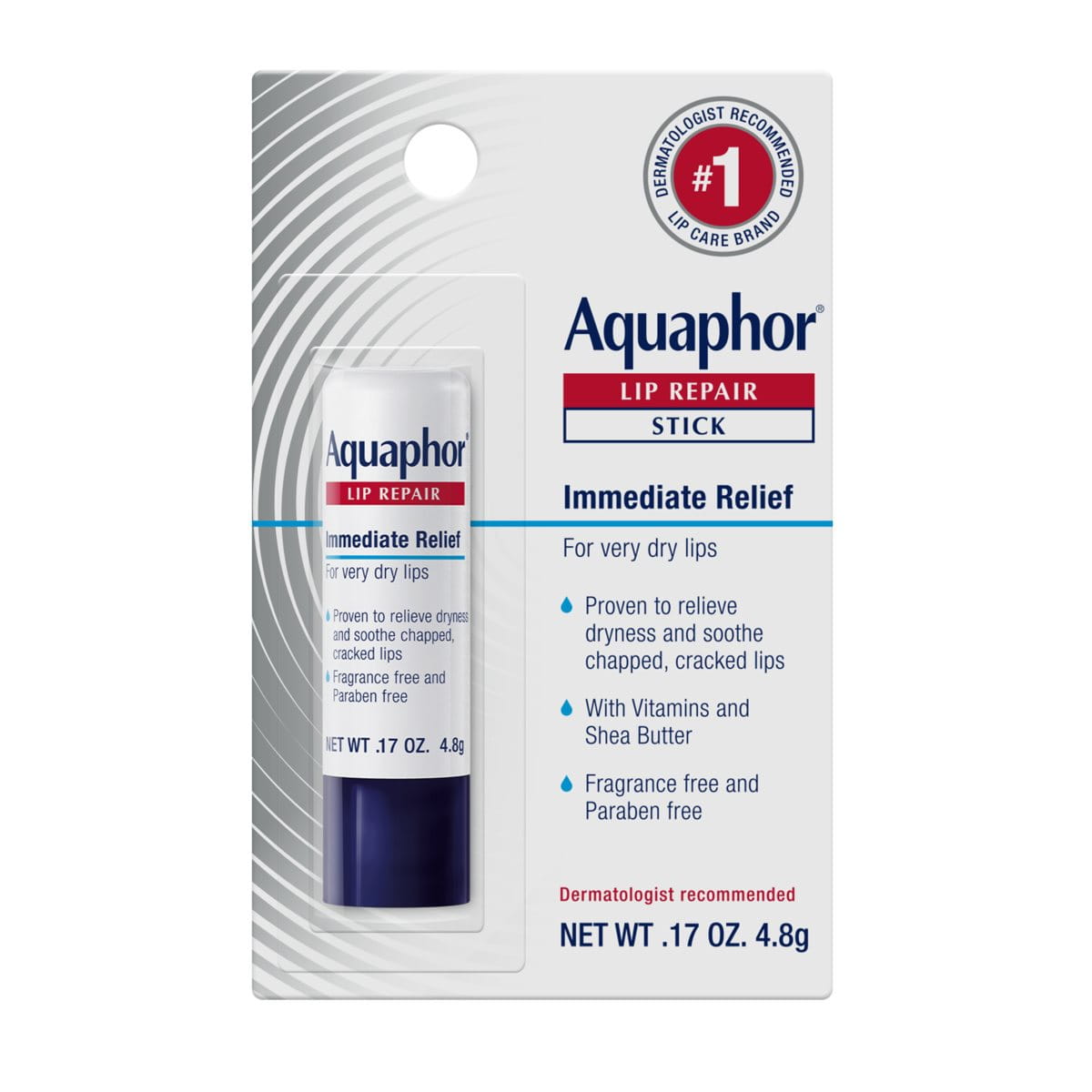
Aquaphor® Lip Repair Stick formulated with nourishing vitamins, Shea Butter, and Jojoba Oil is proven to relieve dryness and soothe chapped, cracked lips. Specifically formulated for sensitive lips, this lip balm glides on easily and is fragrance- and preservative-free.
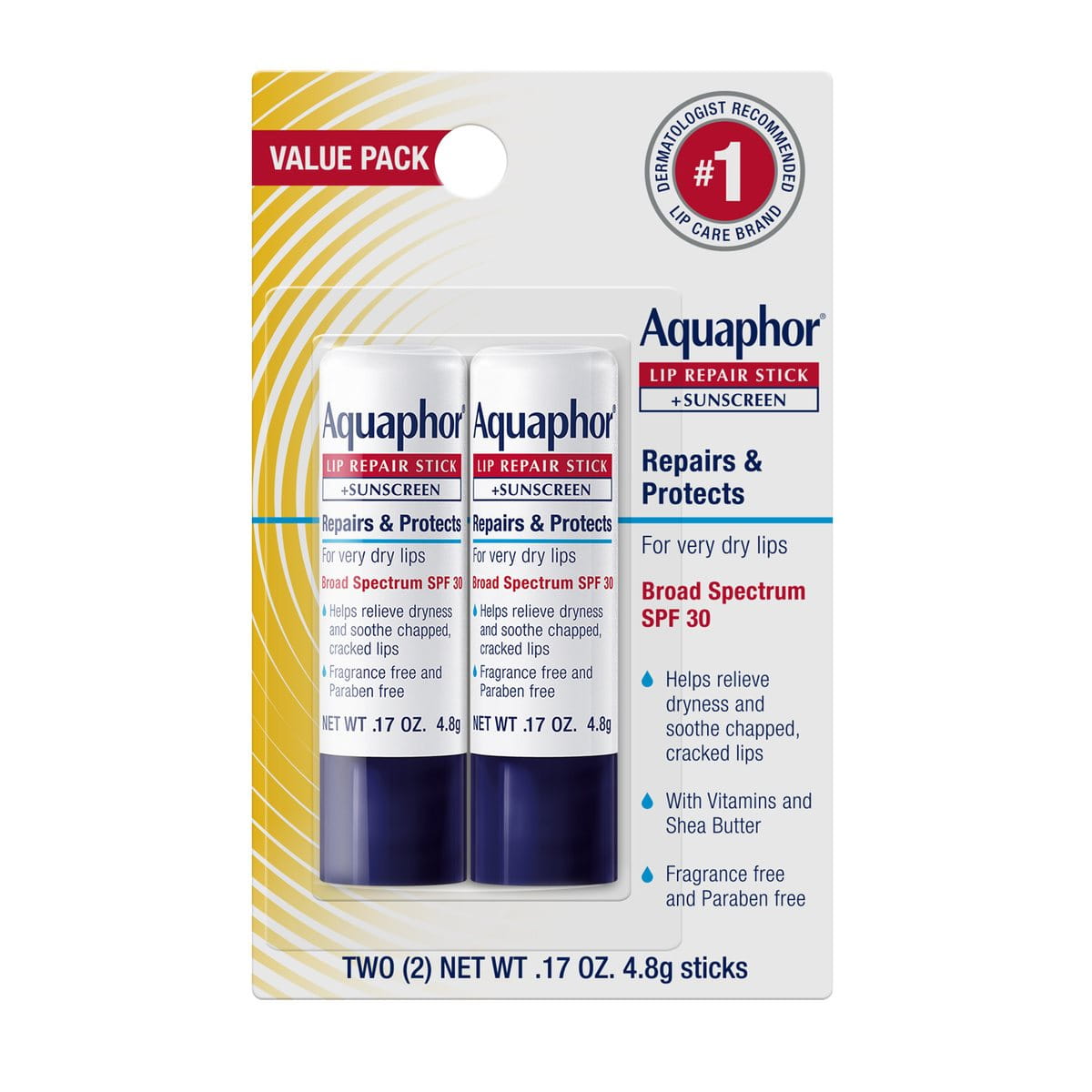
For nourishing lip care with the added benefit of SPF 30, try Aquaphor® Lip Repair Stick + Sunscreen. Formulated with nourishing vitamins, Shea Butter, and Jojoba Oil, this lip balm helps to hydrate lips in dry, cold, or windy conditions while helping to protect lips from the sun’s harmful UVA/UVB rays.* 

*for sun protection, use as directed
Aquaphor® is the #1 dermatologist-recommended lip care brand* 
*Based on a 2024 ProVoice survey.

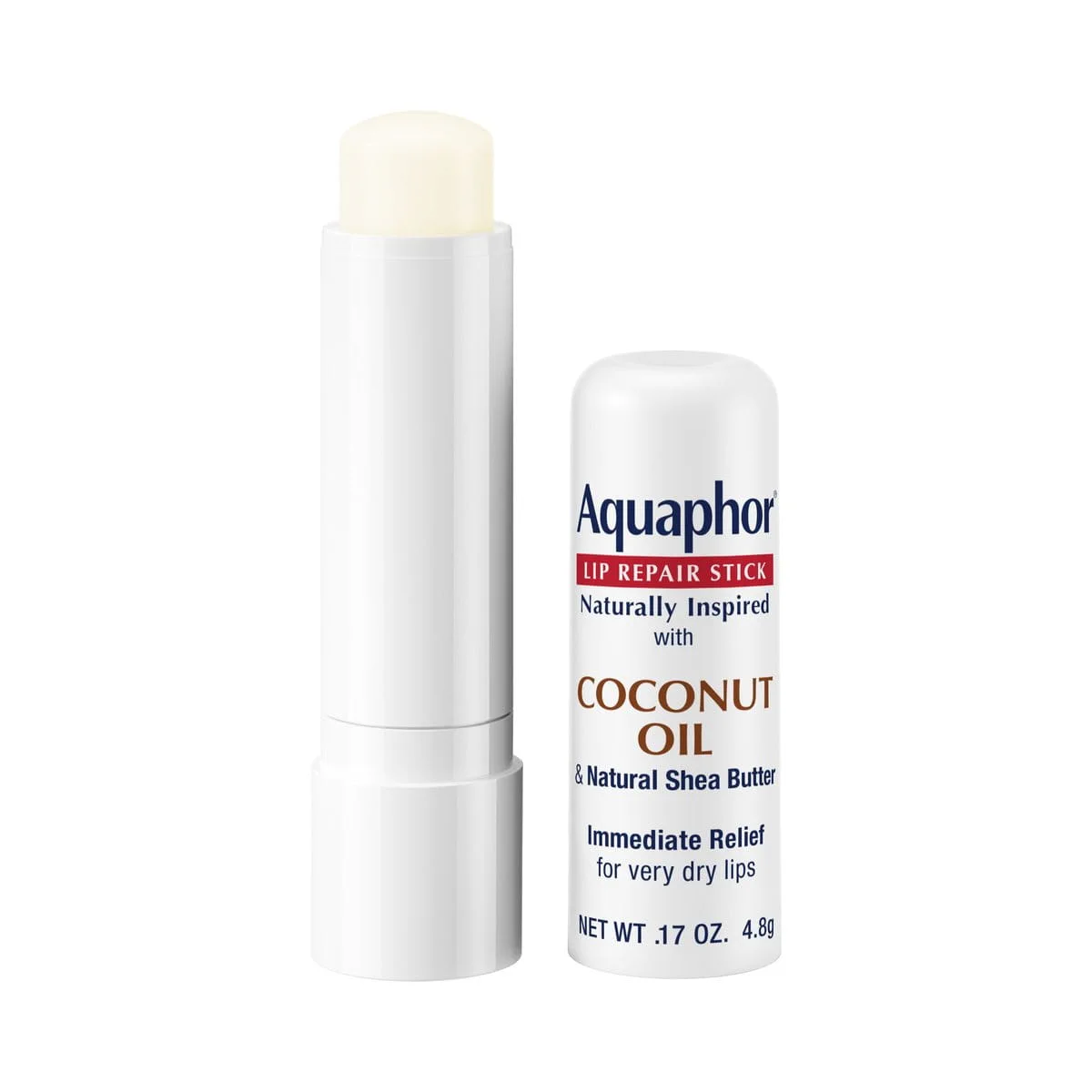
Aquaphor® Lip Repair Stick Naturally Inspired with Coconut Oil is proven to relieve dryness and soothes chapped lips. This hydrating lip care is fragrance, preservative and dye-free and is formulated with nourishing vitamins, Coconut Oil, and natural Shea Butter. Aquaphor Lip Repair Naturally Inspired lip balm is appropriate for sensitive lips and glides on easily for a smooth application.
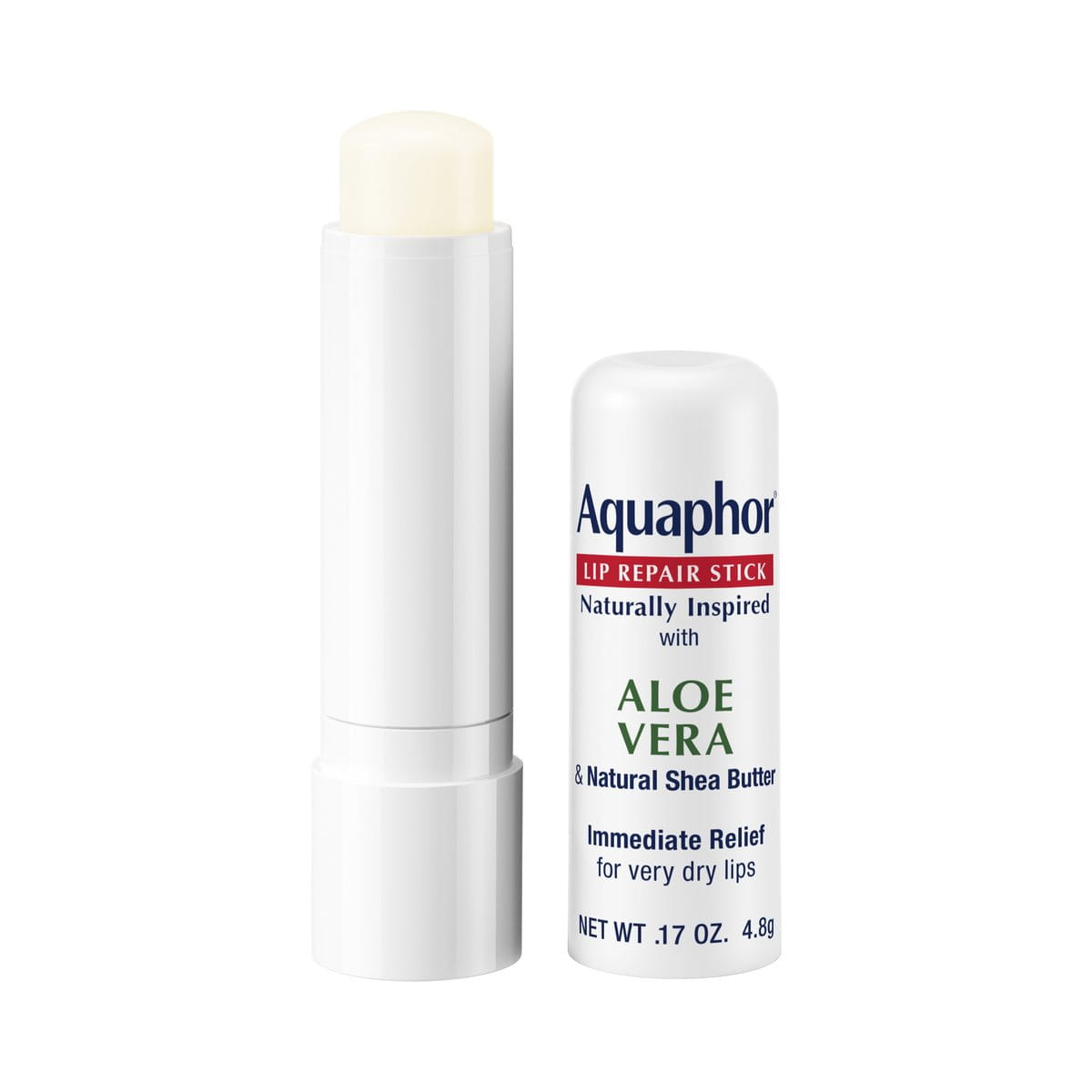
For dry lip care with Aloe Vera, try Aquaphor® Lip Repair Stick Naturally Inspired with Aloe Vera. This hydrating lip balm formulated with nourishing vitamins, Jojoba Oil, and Aloe Vera provides immediate relief for dryness and soothes chapped, cracked lips. This nourishing lip care is free of fragrance, preservatives, and dyes.

Aquaphor® Products for Dry, Chapped Lips

The information provided herein is not intended to be medical advice. Nor is it intended to treat the underlying skin disease or condition. The information is provided solely to:

  1. Moisturize, soften and smooth dry skin
  2. Improve the appearance of the skin
  3. Achieve healthier-looking skin

Sources

  1. Zipora Tietel; Melamed, S.; Navit Ogen-Shtern; Noy Eretz-Kdosha; Silberstein, E.; Ayzenberg, T.; Dag, A.; Cohen, G. Topical Application of Jojoba (Simmondsia Chinensis L.) Wax Enhances the Synthesis of Pro-Collagen III and Hyaluronic Acid and Reduces Inflammation in the Ex-Vivo Human Skin Organ Culture Model. Frontiers in pharmacology 2024, 15. https://doi.org/10.3389/fphar.2024.1333085
  2. How Jojoba Oil Benefits Your Hair and Skin. Cleveland Clinic. https://health.clevelandclinic.org/jojoba-oil-benefits
  3. Lin, M.-H.; Khnykin, D. Fatty Acid Transporters in Skin Development, Function and Disease. Biochimica et Biophysica Acta (BBA) - Molecular and Cell Biology of Lipids 2014, 1841 (3), 362–368. https://doi.org/10.1016/j.bbalip.2013.09.016
  4. Watson, K. 13 Benefits of Using Jojoba Oil in your Skin Care Routine. Healthline. https://www.healthline.com/health/beauty-skin-care/jojoba-oil-for-face
  5. Cleveland Clinic. Emollients: Creams, Soaps, Moisturizers, Ointments, Benefits. Cleveland Clinic. https://my.clevelandclinic.org/health/treatments/23305-emollients
  6. Gad, H. A.; Roberts, A.; Hamzi, S. H.; Gad, H. A.; Touiss, I.; Altyar, A. E.; Kensara, O. A.; Ashour, M. L. Jojoba Oil: An Updated Comprehensive Review on Chemistry, Pharmaceutical Uses, and Toxicity. Polymers 2021, 13 (11), 1711. https://doi.org/10.3390/polym13111711
  7. Oresajo, C.; Pillai, S.; Manco, M.; Yatskayer, M.; McDaniel, D. Antioxidants and the Skin: Understanding Formulation and Efficacy. Dermatologic Therapy 2012, 25 (3), 252–259. https://doi.org/10.1111/j.1529-8019.2012.01505.x
  8. Varani, J.; Dame, M. K.; Rittie, L.; Fligiel, S. E. G.; Kang, S.; Fisher, G. J.; Voorhees, J. J. Decreased Collagen Production in Chronologically Aged Skin. The American Journal of Pathology 2006, 168 (6), 1861–1868. https://doi.org/10.2353/ajpath.2006.051302
  9. Zhang, N.; Chen, J.; Dong, W.; Yao, L. The Effect of Copaiba Oil Odor on Anxiety Relief in Adults under Mental Workload: A Randomized Controlled Trial. Evidence-Based Complementary and Alternative Medicine 2022, 2022, 1–9. https://doi.org/10.1155/2022/3874745
  10. Abdalla, S.; Aroua, M. K.; Gew, L. T. A Comprehensive Review of Plant-Based Cosmetic Oils (Virgin Coconut Oil, Olive Oil, Argan Oil, and Jojoba Oil): Chemical and Biological Properties and Their Cosmeceutical Applications. ACS Omega 2024, 9 (44). https://doi.org/10.1021/acsomega.4c04277

Find a Retailer