Dry Skin Around the Mouth

Show more

The area around the mouth is exposed to frequent movement throughout the day, from eating and drinking to smiling and talking. At times, this area can become dry due to various factors and may benefit from a little extra care.

This article will walk through what dry skin around the mouth may look like, what can contribute to it, and ways to help keep the surrounding skin feeling comfortable.

What does dry skin around the mouth look like?

Dry skin around the mouth can appear differently from person to person. Common signs may include1:

  • Flaking or peeling skin
  • Rough skin texture from dryness
  • Tightness, especially after cleansing
  • Skin that looks dull or feels uncomfortable from dryness
These symptoms can affect the skin surrounding the lips, including the corners of the mouth and the area just below or above the lips, without involving the lips themselves.

Why is the skin around my mouth more prone to dryness?

There are several reasons why skin dryness around the mouth can occur. Often, it is caused by a combination of environmental exposure, skincare habits, and everyday behaviors2.

5 common causes of dry skin around the mouth

1. Frequent cleansing or over-exfoliating
Using harsh cleansers or exfoliating too often can strip away the skin’s natural moisture barrier. When exfoliating the lips, it can be easy to exfoliate the surrounding skin as well, which may contribute to dryness around the mouth2.

2. Environmental factors
Environmental conditions like colder weather, low humidity, and windy conditions can cause moisture to evaporate more quickly, especially in exposed areas like the face. Indoor heating and dry air may also contribute to dryness around the mouth2.

3. Saliva exposure
Habitual lip licking or saliva coming into contact with the surrounding skin can contribute to dryness over time. As saliva evaporates, it may leave the skin feeling less comfortable3.

4. Irritating ingredients
Certain skincare, toothpaste, or cosmetic products may affect how the skin around the mouth feels. In some cases, this may contribute to dryness in the surrounding area3.

5. Lack of moisture support
Skipping moisturizer or using products that do not provide long-lasting hydration can leave the skin feeling dry and tight4.

How to help dry skin around the mouth

Supporting the skin around the mouth with gentle care and hydration can help support the skin’s moisture barrier and keep the area feeling more comfortable.

1. Cleanse gently

Choose a mild, fragrance-free cleanser and avoid scrubbing the area aggressively. Pat skin dry with a soft towel instead of rubbing. Frequent cleansing or exfoliating the skin around the mouth can disrupt the skin’s moisture barrier2.

2. Moisturize consistently

Applying moisturizer regularly can help support hydration and protect against moisture loss throughout the day4.

3. ​Protect vulnerable areas

For areas that feel especially dry or rough, using a skin protectant ointment can help create a semi-occlusive barrier on the skin to help retain moisture and support the skin barrier5.

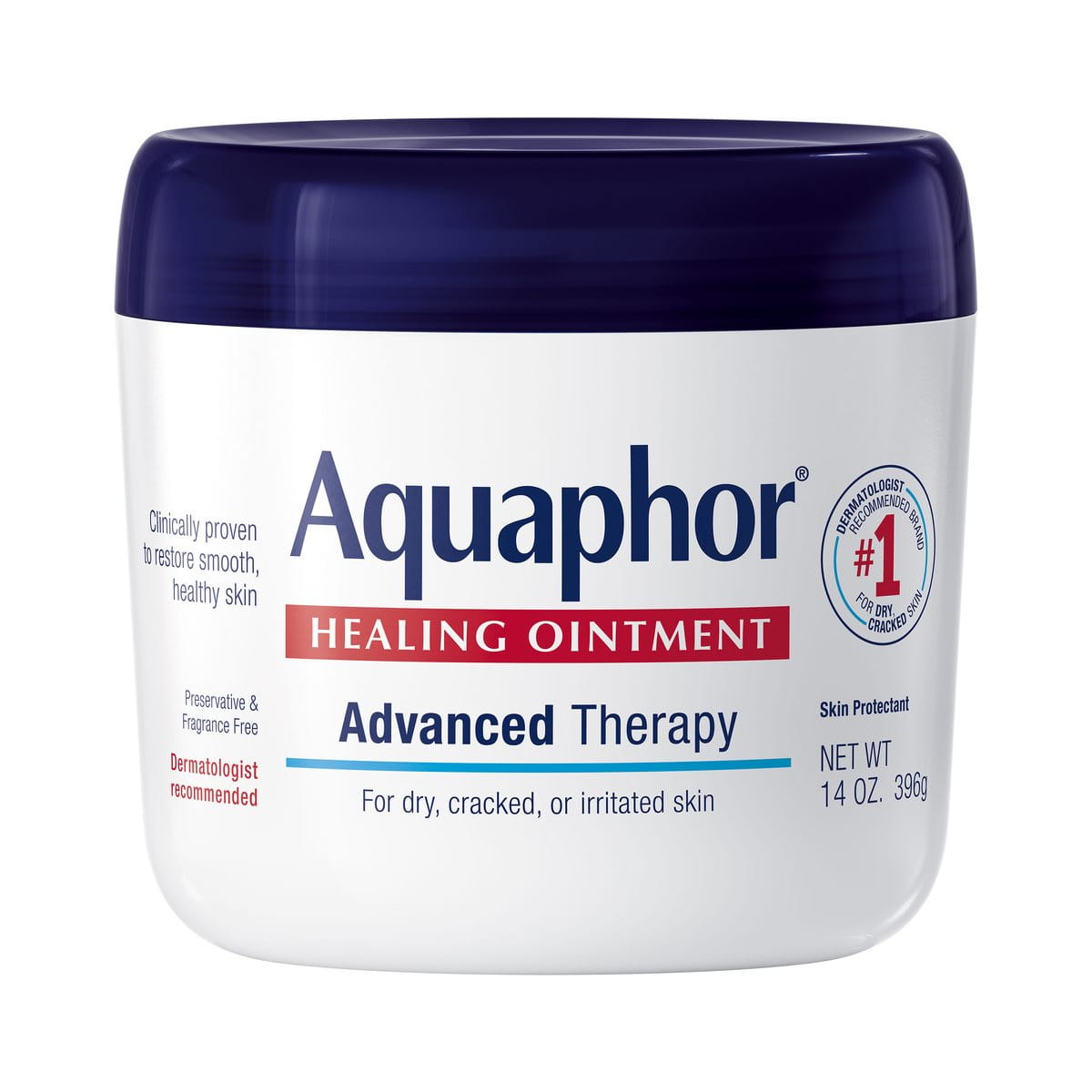
Aquaphor Healing Ointment® can be applied to areas of dry skin around the mouth to help protect skin from dryness.

4. Be mindful of daily habits

Small changes may help support skin comfort, such as avoiding licking the skin around the mouth, and rinsing the area gently after brushing your teeth if toothpaste residue tends to linger.

When to consider professional guidance

If dryness around the mouth continues over time, feels uncomfortable, or does not improve with gentle skincare and regular moisturizing, it may be helpful to check in with a dermatologist or primary care specialist. They can offer personalized guidance based on your skin’s needs.

Helping soothe dry skin around the mouth with Aquaphor®

When caring for dry skin around the mouth, using moisturizers designed to support hydration can help keep the surrounding skin feeling comfortable.

For areas that feel especially dry, Aquaphor® Healing Ointment can be applied around the mouth to help nourish and protect the skin against dryness.

Related Articles

The information provided herein is not intended to be medical advice. Nor is it intended to treat the underlying skin disease or condition. The information is provided solely to:

  • Moisturize, soften and smooth dry skin
  • Improve the appearance of the skin
  • Achieve healthier-looking skin

Sources

  1. Clinic, C. Dry Skin (Xeroderma): Symptoms, Causes, Treatment & Prevention. Cleveland Clinic.
    https://my.clevelandclinic.org/health/diseases/16940-dry-skin
  2. American Academy of Dermatology Association. Dry skin: Who gets and causes. www.aad.org.
    https://www.aad.org/public/diseases/a-z/dry-skin-causes.
  3. 7 dermatologists’ tips for healing dry, chapped lips. www.aad.org.
    https://www.aad.org/public/everyday-care/skin-care-basics/dry/heal-dry-chapped-lips.
  4. How to pick the right moisturizer for your skin. www.aad.org.
    https://www.aad.org/public/everyday-care/skin-care-basics/dry/pick-moisturizer.
  5. Ludmann, P. Dermatologists’ top tips for relieving dry skin. www.aad.org.
    https://www.aad.org/public/everyday-care/skin-care-basics/dry/dermatologists-tips-relieve-dry-skin.

Find a Retailer