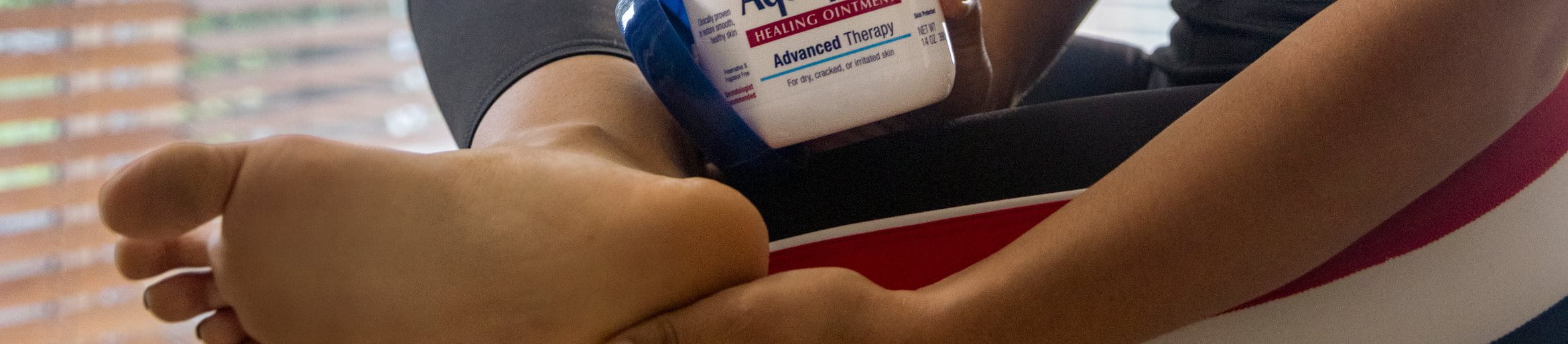
Dry skin can be uncomfortable, particularly when it shows up between the toes. Having dry, cracked skin between your toes can lead to flaking skin and itchiness, which can then lead to scratching which can make matters worse. Learn what causes cracked skin on and between toes and ways that you can help soothe it below.
Causes of cracked skin between the toes
According to a National Foot Health Assessment, 20% of adults in America have experienced cracked skin on their feet1, and it’s not hard to see why. Cracked skin can occur when the skin’s moisture barrier is compromised2, and the feet can experience a lot of wear and tear and exposure to the environment. Here are some common causes of dry, cracked skin on and between the toes:
Feet lack oil glands
One factor that leaves feet and toes vulnerable to dryness is the fact that the soles of the feet and toes don’t contain any oil glands (also known as sebaceous glands)3. Sebum, the substance produced by the skin’s oil glands, helps provide a protective coating and helps the skin retain moisture, so for areas like the feet that lack these oil-producing glands, skin can be more prone to dryness3.
Friction
If you’ve ever worn an ill-fitting pair of shoes, you’re familiar with the aftermath of friction. Whether from shoes that are too loose, too tight, or even just the way our feet land when we walk, friction can cause skin on the feet to dry out and crack4.
Exposure to the elements
Going barefoot or wearing sandals can expose the feet to drying conditions like cold, dry air in the winter or hot, dry air indoors4.
Excessive moisture
While dry air can dry out the skin, the same is also true for excessive moisture. When skin is consistently exposed to moisture, this can cause irritation which can lead to dryness. Feet don’t have oil glands, but they do have numerous sweat glands5, so trapping sweaty feet in non-breathable socks and shoes for extended periods can be a recipe for dryness and cracking2.
Over-washing and long, hot showers
Prolonged exposure to hot water and the use of harsh soaps can negatively affect the skin’s moisture barrier, stripping it of its natural oils and leading to dryness6.
Aging
As we age, skin loses some of its elasticity and oil production, leaving skin more vulnerable to dryness and cracking7. This, combined with the bottoms of the feet already not having oil glands, makes the feet particularly prone to dryness and cracking with age.
A health condition
Severely dry skin or cracked, itchy skin between the toes can sometimes be caused by an underlying health condition like psoriasis or athlete’s foot. If you are concerned or suspect that an underlying health condition may be contributing to your cracked skin, please be sure to see a healthcare practitioner for further guidance.
How to help soothe dry, cracked skin between toes
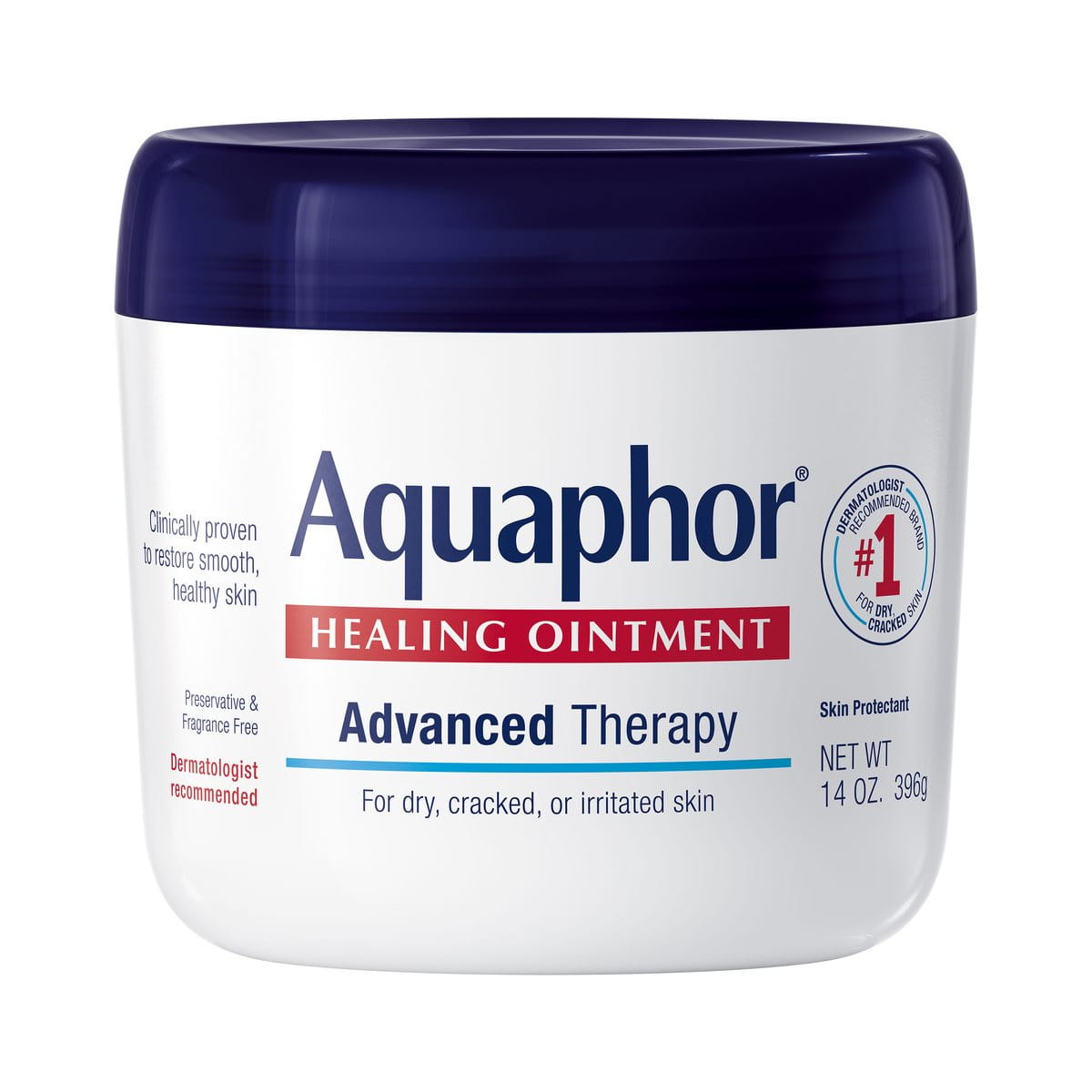
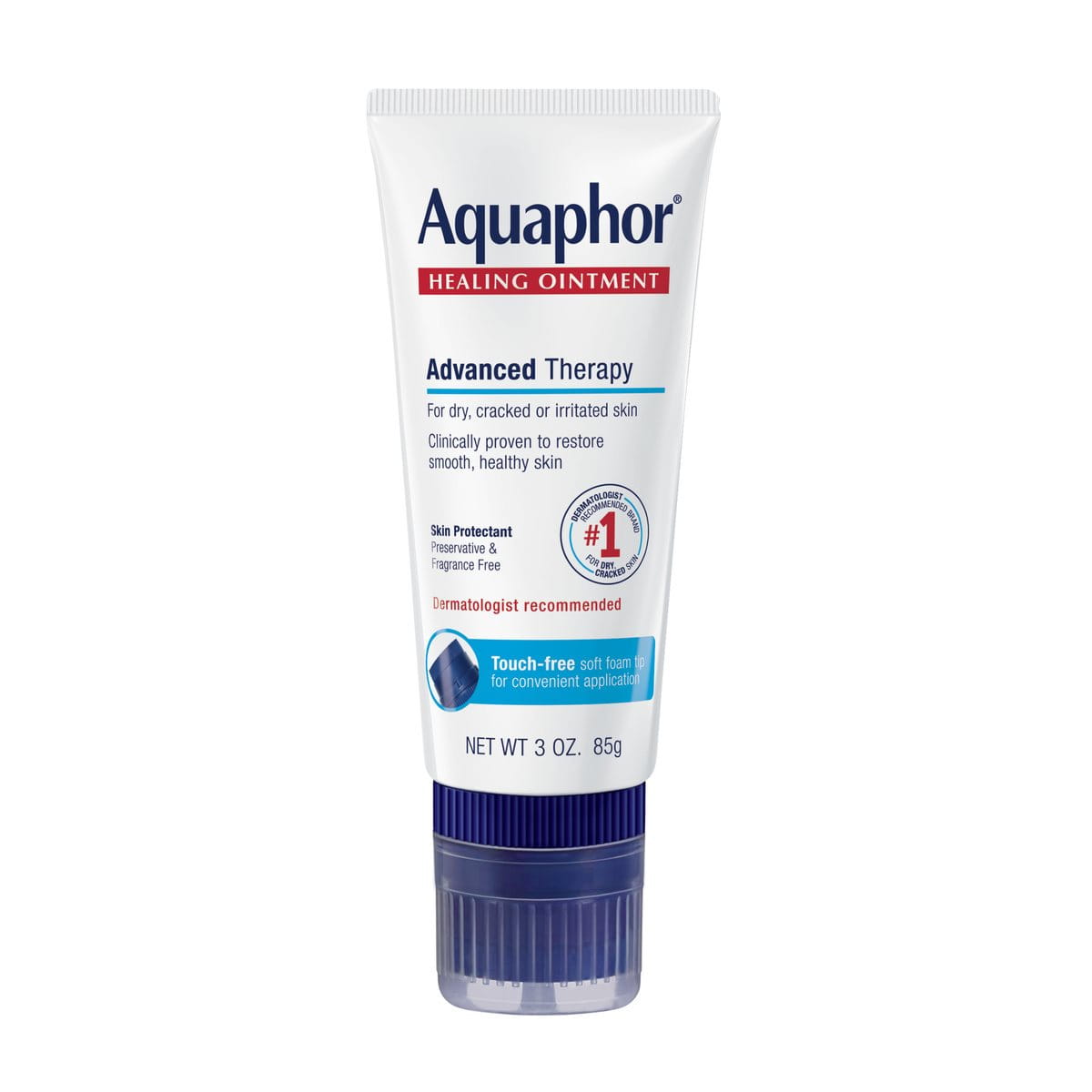
No matter where it occurs on the body, dry skin can be inconvenient and uncomfortable. Thankfully, you can help soothe dry, cracked skin between the toes and promote skin healing with a skin protectant ointment like Aquaphor Healing Ointment®.
Aquaphor Healing Ointment® for dry, cracked skin between toes
Aquaphor Healing Ointment® is clinically proven to restore smooth, healthy skin. Formulated with Panthenol and Glycerin, this skin protectant ointment helps to moisturize existing dry skin and protects skin from the drying effects of wind and cold weather. Apply between the toes after bathing or any time your skin feels dry.
Different from a lotion or a cream, this multi-purpose ointment is water free, and it protects and soothes extremely dry skin, chapped lips, cracked hands and feet, minor cuts and burns, and many other dry skin irritations, so you can get on with your day comfortably.
How to help prevent dry, cracked skin between toes
When it comes to dry skin, prevention is key. There are several ways you can help prevent dry skin from forming between the toes, including the following:
Take cooler baths/showers and shorten bathing time
To avoid prolonged contact with hot water which can contribute to developing dry skin, opt for lukewarm water and limit the time you shower or bathe to 5-10 minutes8. This can help prevent oils from being stripped from the skin or causing damage to the skin’s moisture barrier9.
Identify and avoid any irritants or allergens
Since skin between your toes can being caused by friction in your shoes, over-exposure to sweaty socks, or harsh soaps or detergents, you can help support your skin by avoiding these triggers9. This may look like finding proper-fitting shoes, choosing more breathable socks, or switching to a fragrance-free laundry detergent or hypoallergenic body wash.
Moisturize your feet
Keeping the skin hydrated and moisturized can help prevent dry skin between the toes. Apply a moisturizer after bathing while skin is still damp8.
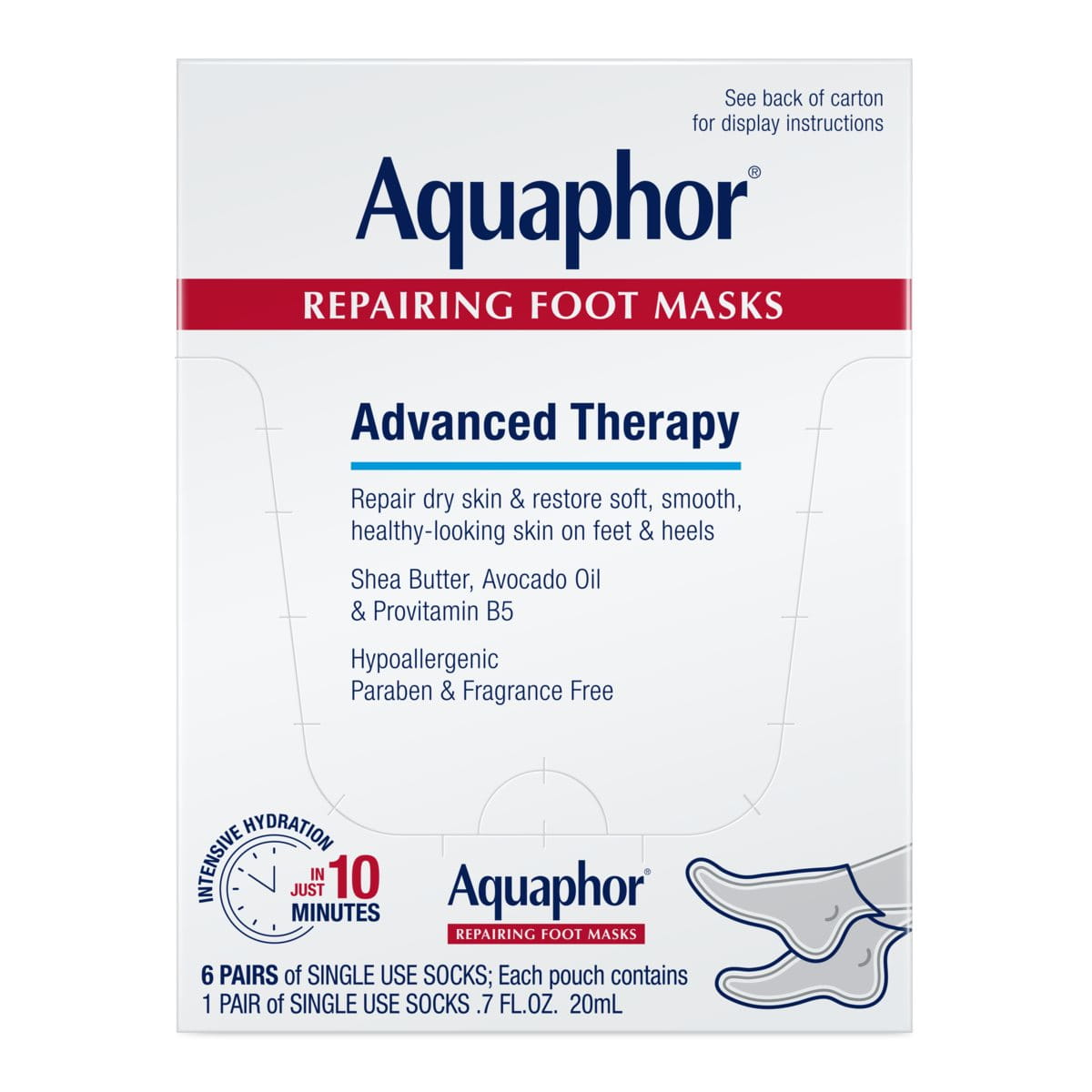
For convenient, hydrating foot care, try Aquaphor® Repairing Foot Masks. These single-use socks contain a foot moisturizer infused with a blend of Avocado Oil, Shea Butter, Provitamin B5, Glycerin and Bisabolol for the ultimate self-care. Fragrance-free, mess-free and easy to use, Aquaphor® Repairing Foot masks help to soothe, replenish, and revitalize dry feet and heels. Simply apply to clean, dry feet, leave on for 10 minutes, then remove and massage any remaining product into the skin for smooth, healthy-looking skin.
For convenient, hydrating foot care, try Aquaphor® Repairing Foot Masks. These single-use socks contain a foot moisturizer infused with a blend of Avocado Oil, Shea Butter, Provitamin B5, Glycerin and Bisabolol for the ultimate self-care. Fragrance-free, mess-free and easy to use, Aquaphor® Repairing Foot masks help to soothe, replenish, and revitalize dry feet and heels. Simply apply to clean, dry feet, leave on for 10 minutes, then remove and massage any remaining product into the skin for smooth, healthy-looking skin.
Helping heal dry, cracked skin between the toes with Aquaphor®
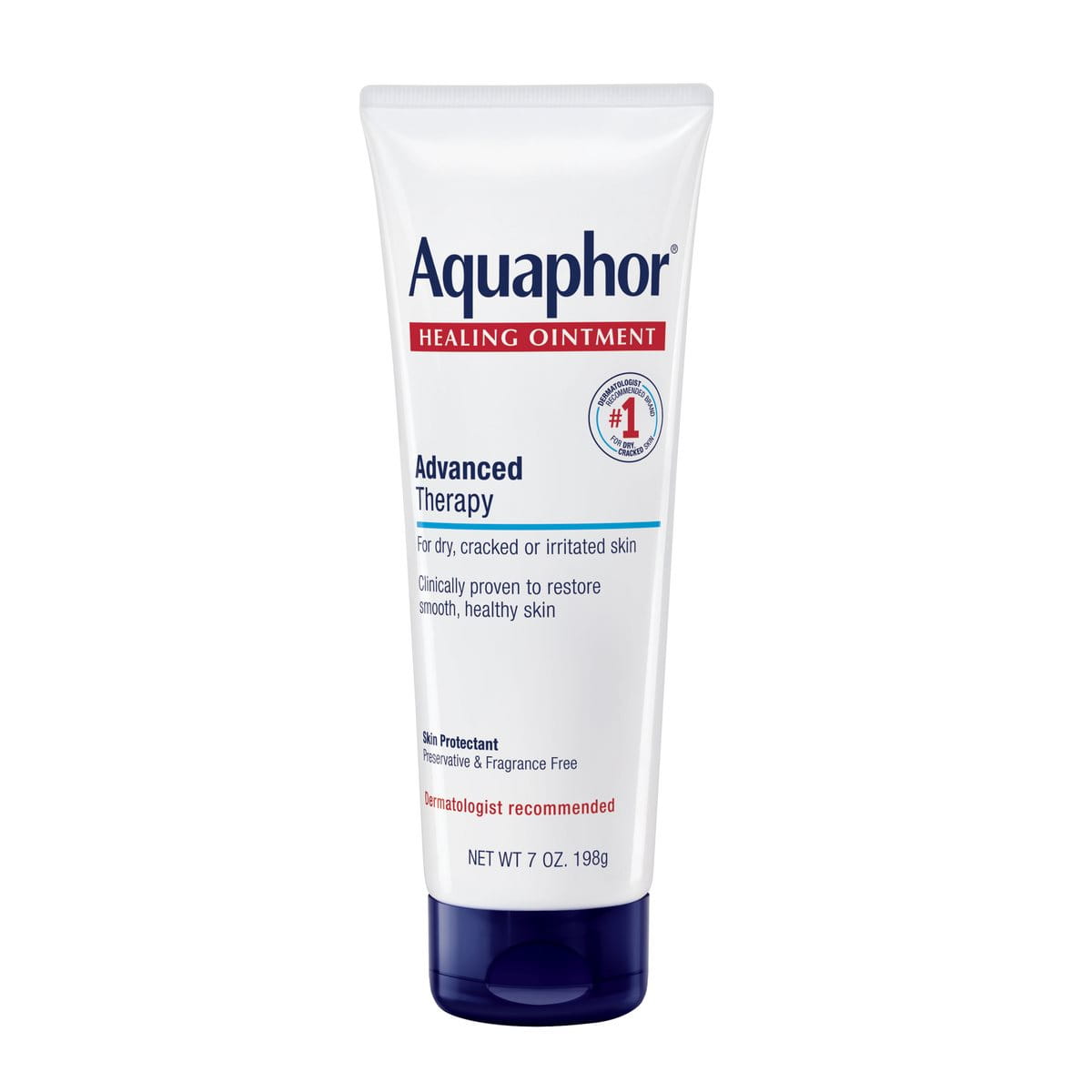
There’s a reason why Aquaphor® has earned the title of being the #1 dermatologist-recommended brand for dry, cracked skin in the United States. Apply Aquaphor Healing Ointment® to dry, cracked skin between the toes and anywhere skin is dry and enjoy smooth, healthy-looking skin.
The information provided herein is not intended to be medical advice. Nor is it intended to treat the underlying skin disease or condition. The information is provided solely to:
- Moisturize, soften and smooth dry skin
- Improve the appearance of the skin
- Achieve healthier-looking skin
Sources
- McDermott, A. How to Fix Cracked Heels at Home. Healthline. https://www.healthline.com/health/cracked-heel-heal.
- Cracked Skin on Fingers, Hands, Feet, and Lips: Causes and Treatment. Healthline. https://www.healthline.com/health/skin/cracked-skin.
- Cleveland Clinic. Sebaceous Glands: Function, Location & Secretion. Cleveland Clinic. https://my.clevelandclinic.org/health/body/24538-sebaceous-glands.
- Torborg, L. Mayo Clinic Q and A: Take steps at home to manage dry, cracked heels - Mayo Clinic News Network. Mayo Clinic News Network. https://newsnetwork.mayoclinic.org/discussion/mayo-clinic-q-and-a-take-steps-at-home-to-manage-dry-cracked-heels/.
- Hodge, B. D.; Brodell, R. T. Anatomy, Skin Sweat Glands. Nih.gov. https://www.ncbi.nlm.nih.gov/books/NBK482278/.
- Gade, A.; Matin, T.; Rubenstein, R. Xeroderma. PubMed. https://www.ncbi.nlm.nih.gov/books/NBK565884/.
- National Institute on Aging. Skin Care and Aging. Skin Care and Aging. https://www.nia.nih.gov/health/skin-care/skin-care-and-aging.
- How to care for dry, cracked heels. Aad.org. https://www.aad.org/public/everyday-care/skin-care-basics/dry/dry-heels.
- Taylor, S. 8 Home Remedies for Dry Skin. Healthline. https://www.healthline.com/health/home-remedies-for-dry-skin.