
Baby’s skin is delicate and requires special care. In this baby skin care guide, you’ll learn some common skin concerns that new parents may run into and how to help care for your baby’s skin with Aquaphor®.
Common baby skin concerns
Here are some common baby skin concerns new parents may notice:
Baby dry skin
Babies have thin, sensitive skin and don’t yet have the developed moisture barrier that we have as adults1. Babies can experience symptoms of dry skin like roughness, flakiness, and itchiness. Learn more about baby dry skin.
How to help baby’s dry skin with Aquaphor®
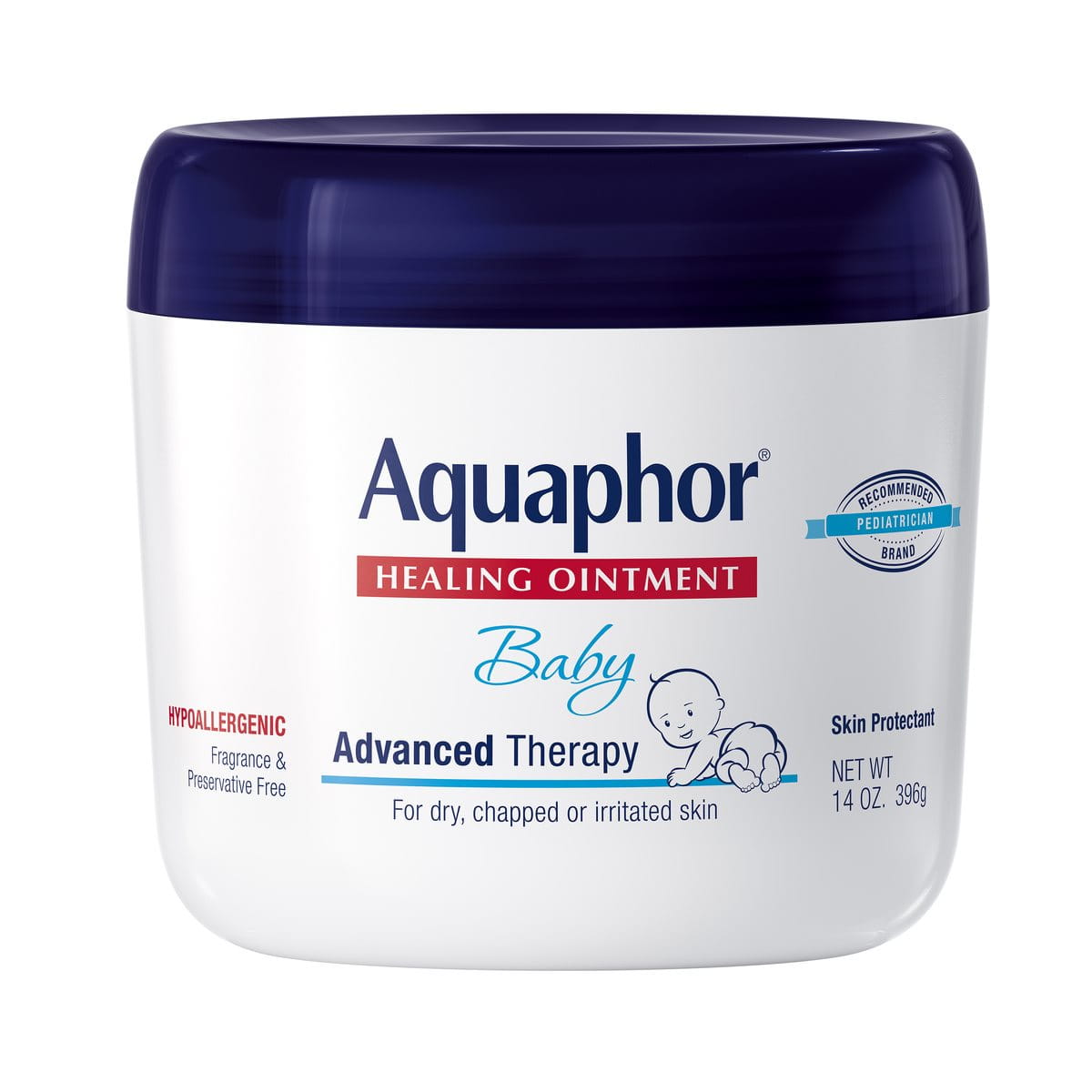
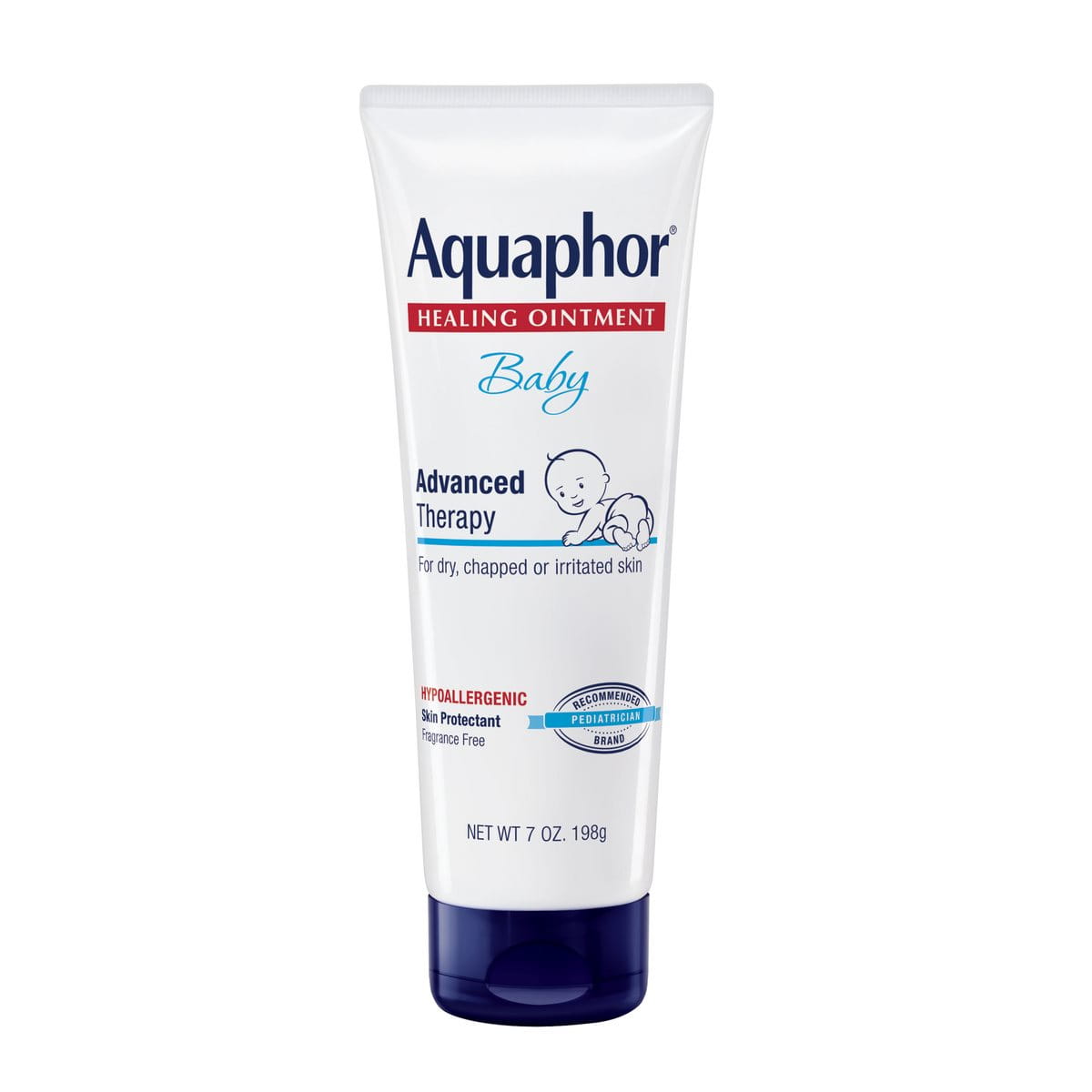
Keeping your baby’s skin clean, hydrated and protected from drool, food, or other liquids is an important way to help mitigate dry skin. On baby’s clean and dry skin, apply a skin protectant like Aquaphor® Baby Healing Ointment to give gentle care for your baby’s delicate skin needs. This fragrance-free ointment with Petrolatum (a skin protectant), and enriched with Panthenol, and Glycerin, helps to moisturize, nourish, and protect skin.
How to help baby’s dry skin with Aquaphor®
Keeping your baby’s skin clean, hydrated and protected from drool, food, or other liquids is an important way to help mitigate dry skin. On baby’s clean and dry skin, apply a skin protectant like Aquaphor® Baby Healing Ointment to give gentle care for your baby’s delicate skin needs. This fragrance-free ointment with Petrolatum (a skin protectant), and enriched with Panthenol, and Glycerin, helps to moisturize, nourish, and protect skin.
Diaper rash
Diaper rash is one of the most common baby skin concerns that nearly all new parents face at some point. It’s so common that over 50% of babies aged 4-15 months will get diaper rash at least once in a two-month period2! Diaper rash can be caused by prolonged contact with soiled diaper contents, friction against your baby’s diaper, reactions to detergents, and other sources of irritation3. While your baby’s discomfort can be distressing, mild diaper rash can be manageable with the proper treatment. Learn more about diaper rash.
Note: A different skin condition that can be confused for diaper rash is a yeast infection, which is caused by an overgrowth of yeast due to a bacterial imbalance in your baby’s system. Learn how to tell the difference between diaper rash and a yeast infection and be sure to contact a pediatrician if you suspect that a yeast infection may be occurring.
Note: A different skin condition that can be confused for diaper rash is a yeast infection, which is caused by an overgrowth of yeast due to a bacterial imbalance in your baby’s system. Learn how to tell the difference between diaper rash and a yeast infection and be sure to contact a pediatrician if you suspect that a yeast infection may be occurring.
How to help prevent diaper rash and soothe existing diaper rash with Aquaphor®
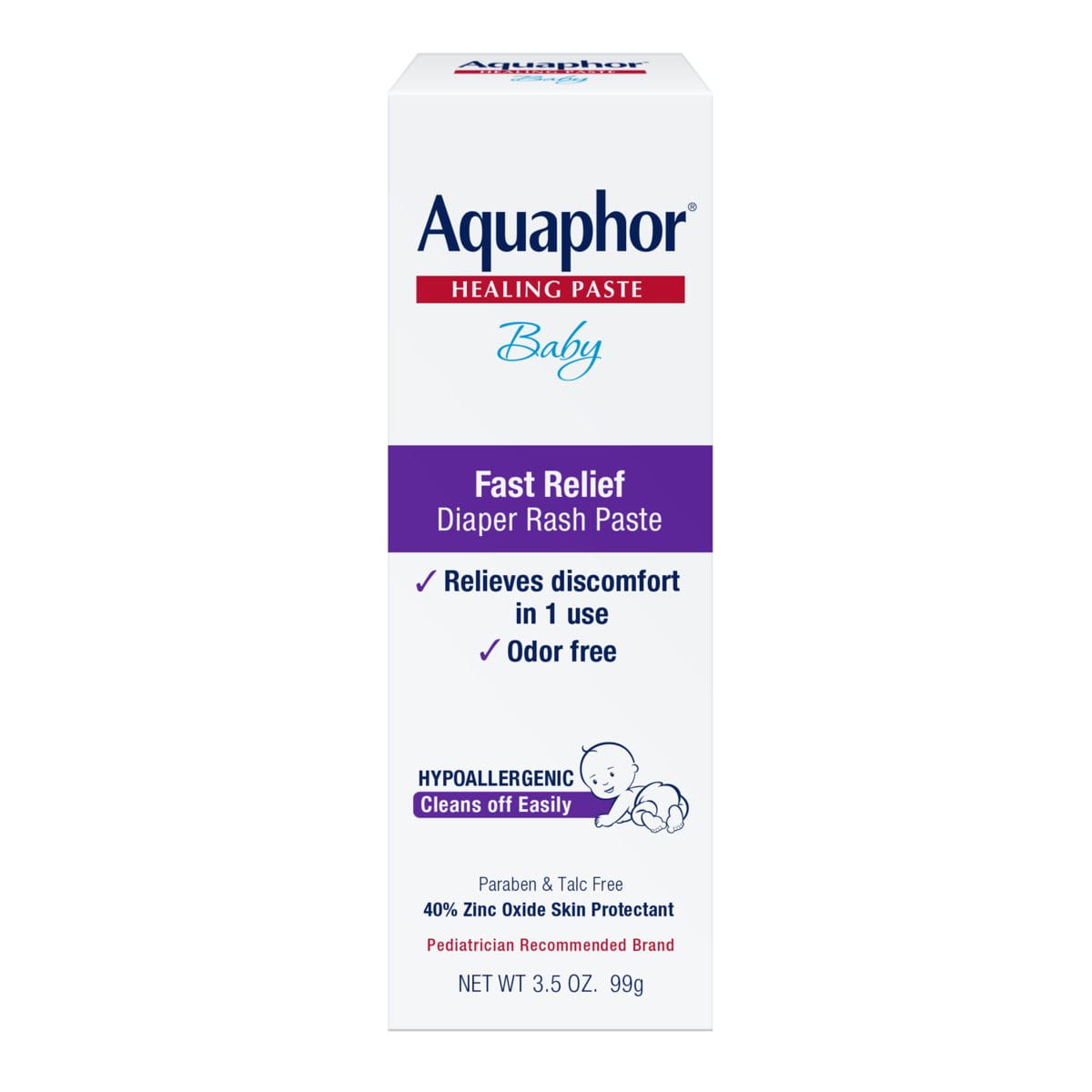
One of the best ways to help prevent diaper rash is to change diapers frequently. If your baby develops a diaper rash, Aquaphor® Diaper Rash Cream contains zinc oxide (a skin protectant) to protect and help soothe irritated skin, which makes it a great diaper rash treatment. It helps treat diaper rash and soothes irritation, so use it at the first sign of diaper rash. You can also use this diaper rash cream as a preventive measure, applying with each diaper change to help prevent diaper rash from forming.
For more troublesome diaper rash, use Aquaphor® Baby Diaper Rash Paste with 40% zinc oxide (a skin protectant) for fast soothing relief. If the rash persists, call your pediatrician.
Baby dry scalp
As mentioned above, babies’ skin lacks the developed moisture barrier that older children and adults have, making it prone to dryness, including on the scalp. Baby dry scalp can be uncomfortable and may include signs of dryness like flaking, dullness, or looking tight or rough. Learn more about baby dry scalp.
How to help soothe baby dry scalp with Aquaphor®
If your baby’s scalp looks dry, apply a breathable ointment like Aquaphor® Baby Healing Ointment to the affected area. Apply after bathing to help moisturize your baby’s skin, and to nourish and protect the skin.
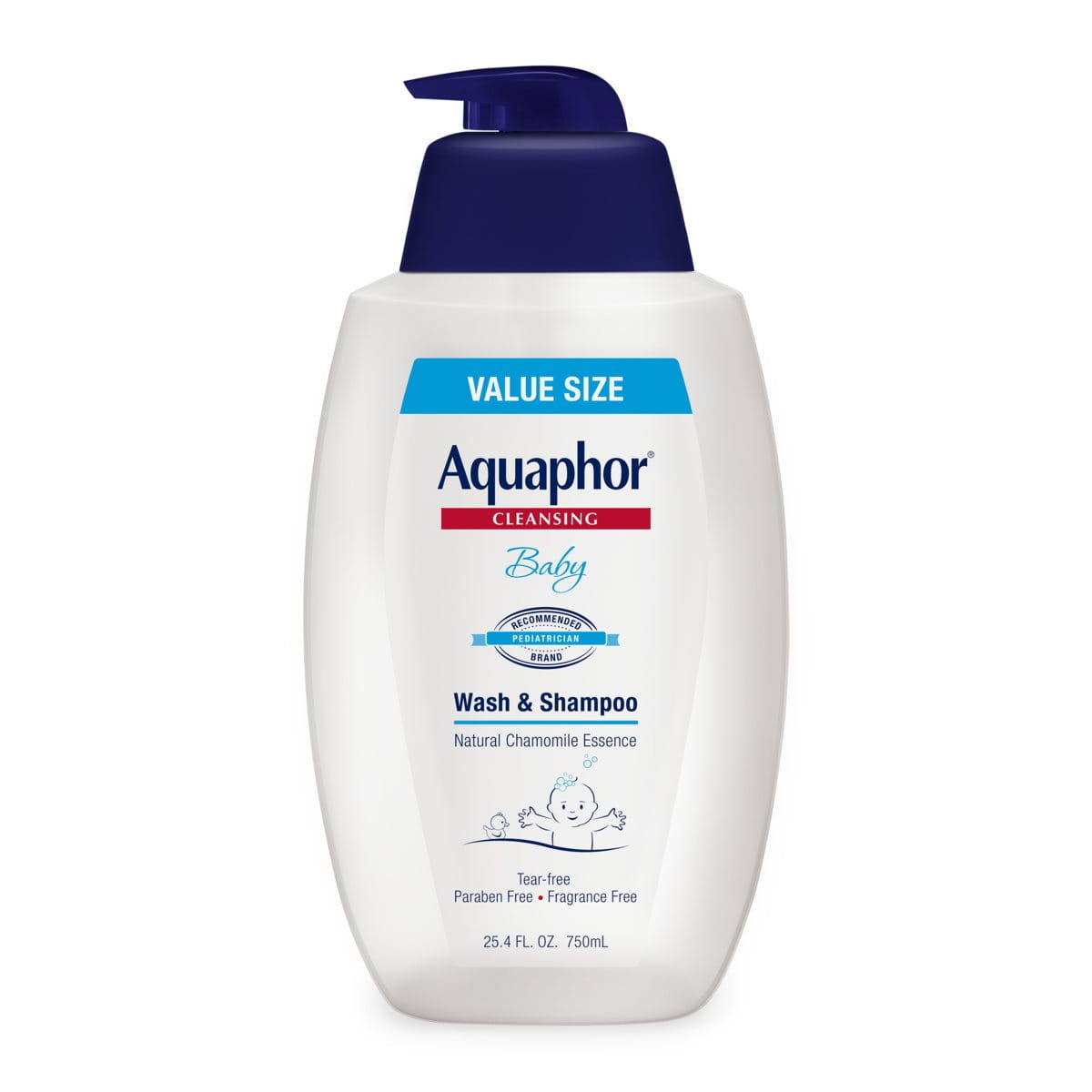
During bath time, use a fragrance- and dye-free cleanser like Aquaphor® Baby Wash & Shampoo to gently cleanse baby’s delicate skin.
How to help soothe baby dry scalp with Aquaphor®
If your baby’s scalp looks dry, apply a breathable ointment like Aquaphor® Baby Healing Ointment to the affected area. Apply after bathing to help moisturize your baby’s skin, and to nourish and protect the skin.
During bath time, use a fragrance- and dye-free cleanser like Aquaphor® Baby Wash & Shampoo to gently cleanse baby’s delicate skin.
Drool rash, also known as teething rash
This condition is so named because it’s common as babies begin to teethe and excess saliva comes into prolonged contact with the skin. This can cause irritation that can manifest as dry, irritated skin. Learn more about teething rash and drool rash.
How to help manage teething rash with Aquaphor®
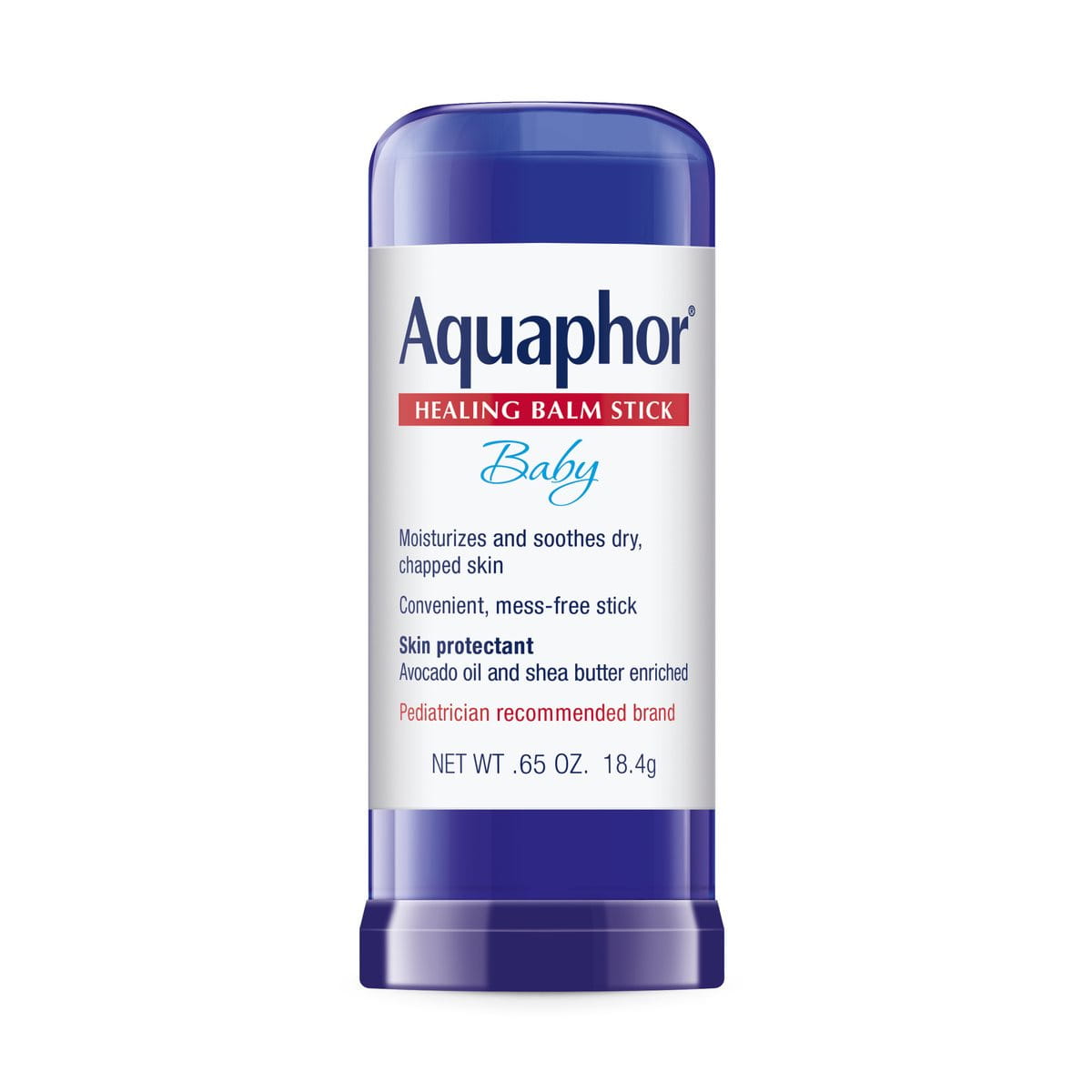
Keeping your baby’s skin clean and dry and applying Aquahpor® Baby Healing Ointment to potential problem areas can help provide protection to skin and to help it heal from irritation caused by drool and excessive exposure to moisture. For a convenient application on the go, Aquaphor® Baby Healing Balm Stick, a skin protectant, delivers the soothing power of Aquaphor in a portable, versatile stick format enriched with avocado oil and shea butter for smooth application.
How to help manage teething rash with Aquaphor®
Keeping your baby’s skin clean and dry and applying Aquahpor® Baby Healing Ointment to potential problem areas can help provide protection to skin and to help it heal from irritation caused by drool and excessive exposure to moisture. For a convenient application on the go, Aquaphor® Baby Healing Balm Stick, a skin protectant, delivers the soothing power of Aquaphor in a portable, versatile stick format enriched with avocado oil and shea butter for smooth application.
Other baby skin concerns
Aquaphor® Baby offers several products for baby’s skin and provides products that can be used to help soothe diaper rash, dry skin, chafing, and drool rash. If your baby’s skin is showing more severe signs of irritation, or prolonged irritation or rash, or any other symptoms that cause concern, consult with a trusted healthcare provider for further guidance.
5 Baby bathing tips
Bathing is another key component of care that can help support your baby’s delicate skin and keep it soft and smooth. Here are some helpful tips for ensuring that your baby’s bath time is supportive of their skin:
1. Don’t over-wash
Frequent bathing may lead to dry skin. When bathing, use a warm, wet washcloth or gentle wipes for creased areas like the neck/chin, groin, and armpits4.
2. Use an appropriate bath temperature for baby’s delicate skin
When preparing your baby’s bath, fill a basin with 2 inches of lukewarm water, avoiding water that’s too warm. You should test the water on the skin on the inside of your wrist to ensure that it’s comfortable for your baby’s delicate skin4.
3. Use a gentle, soap-free cleanser appropriate for baby
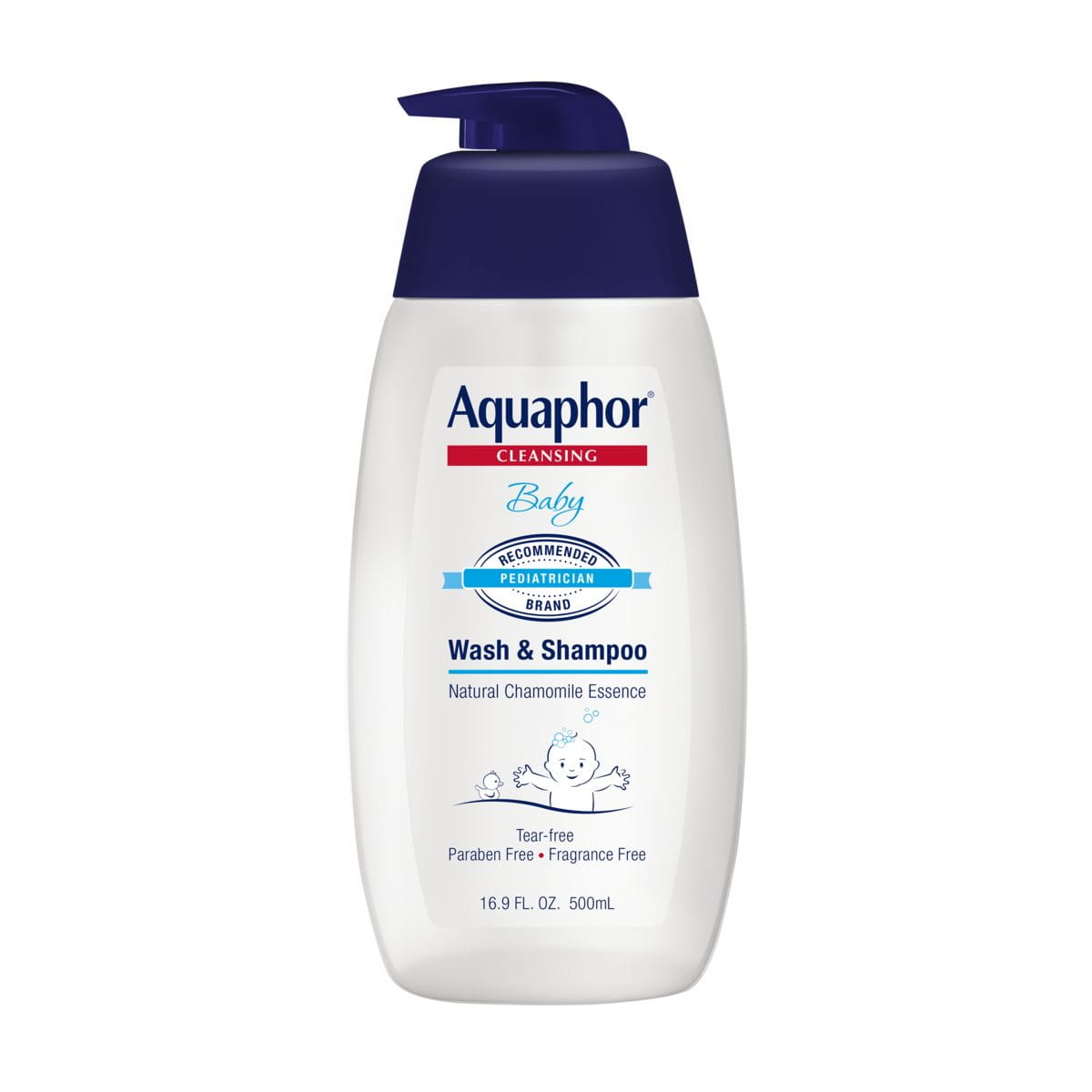
Harsh soaps and detergents can be irritating to baby’s sensitive skin and cause dryness, so choose a fragrance-free, dye free and soap free baby wash like Aquaphor® Baby Wash & Shampoo, and be sure to rinse thoroughly after washing.
4. Keep baby warm and dry after bathing
When drying your baby after their bath, wrap them in a soft towel to help them dry off and keep warm, ensure your baby’s skin is dry before putting on their diaper or clothes5.
5. Protect and moisturize skin
To help keep baby’s skin from getting dry, or if you notice areas of diaper rash , chafing or dryness, apply a moisturizing skin protectant ointment such as Aquaphor® Baby Healing Ointment as needed.
For even more baby bathtime tips, be sure to read our Aquaphor® Baby Bathing Guide.
Note: These baby bathing tips are for babies over 3 months old. Be sure to consult with your OBGYN or pediatrician regarding newborn bathing protocols4.
For even more baby bathtime tips, be sure to read our Aquaphor® Baby Bathing Guide.
Note: These baby bathing tips are for babies over 3 months old. Be sure to consult with your OBGYN or pediatrician regarding newborn bathing protocols4.
Aquaphor® Baby – comfort for little ones, peace of mind for parents
As a new parent, it can be overwhelming wanting to make sure that you do everything “right” for your baby. When it comes to baby’s skin, Aquaphor® has you covered. Aquaphor® Baby products are gentle on baby’s delicate skin and help nourish, moisturize, and soothe – whether your baby has dry skin, diaper rash, or you simply want to keep your baby’s skin clean, hydrated and soft.
Explore our full range of baby skincare products.
Explore our full range of baby skincare products.
The information provided herein is not intended to be medical advice. Nor is it intended to treat the underlying skin disease or condition. The information is provided solely to:
- Moisturize, soften and smooth dry skin
- Improve the appearance of the skin
- Achieve healthier-looking skin
Sources
- Blume-Peytavi, U.; Cork, M.; Faergemann, J.; Szczapa, J.; Vanaclocha, F.; Gelmetti, C. Bathing and Cleansing in Newborns from Day 1 to First Year of Life: Recommendations from a European Round Table Meeting. Journal of the European Academy of Dermatology and Venereology 2009, 23 (7), 751–759. https://doi.org/10.1111/j.1468-3083.2009.03140.x.
- Diaper Rash: Causes, Symptoms, Treatment & Prevention. Cleveland Clinic. https://my.clevelandclinic.org/health/diseases/11037-diaper-rash-diaper-dermatitis.
- Diaper rash: Home treatments usually work-Diaper rash - Symptoms & causes - Mayo Clinic. Mayo Clinic. https://www.mayoclinic.org/diseases-conditions/diaper-rash/symptoms-causes/syc-20371636?.
- A parent’s guide to newborn baths. Mayo Clinic. https://www.mayoclinic.org/healthy-lifestyle/infant-and-toddler-health/in-depth/healthy-baby/art-20044438?.
- How to bathe your newborn. www.aad.org. https://www.aad.org/public/everyday-care/skin-care-basics/care/newborn-bathing.