Soothing Baby’s Dry Skin – Causes, Treatment, & Prevention.

Show more

Your baby’s skin is sensitive and delicate. After spending months protected in the womb, your baby’s skin is acclimating to being exposed to the environment, fabric, and touch for the first time. For many babies, this means they’re more prone to skin rashes and irritation, particularly during the first year.

So, whether it’s diaper rash, drool rash, a dry scalp, or chapped cheeks, there are steps you can take to help soothe and heal baby’s dry skin. Read on to learn about common causes of dry skin in babies, how to treat it, and when to call the doctor.

Why is my baby’s skin so dry?

When a baby is born, their outer layer of skin is thinner and more fragile than adults, making them more easily susceptible to moisture loss.

Your baby’s delicate skin takes a few years to fully mature. During this time, their skin will develop a protective layer of water and oils. As it develops, some areas are left unprotected which can lead to skin issues like dry skin.

Some babies are also genetically more prone to having dry skin than others. Just like with adults, there are many factors that can contribute to baby’s skin becoming dry and chapped. Some common causes of dry skin in babies include:

  • Weather conditions - exposure to cold, dry air can strip skin of natural moisture. Excessive heat (such as sitting in a hot bath for too long or overbundling) and sun exposure can also dry your little one’s skin.
  • Friction - tight clothing or diapers, and even bedding can chafe your child’s skin.
  • Irritants and allergens - harsh soaps, perfumes, and detergents can irritate baby’s sensitive skin and lead to rough, dry patches and irritation. Similarly, allergens like pet hair, dust, pollen, or cigarette smoke can cause irritation and dry out the skin.
  • Bathing too often - bathing your baby too frequently, especially if using cleansers or soaps, can wash away the accumulation of natural oils on the skin and cause dryness. Bathing just once or twice a week is generally advisable for newborns, with gentle cleaning on the face and diaper area more frequent.
  • Diaper rash - irritated skin from diaper rash can become dry. The most common reason for diaper rash is prolonged exposure to moisture, like urine or stool. Other causes include allergies, diarrhea, antibiotics, or friction from an ill-fitting diaper.
  • Drool rash - babies drool a lot, especially when they’re teething. Drool rash can occur when excess saliva and wetness causes the skin on their chin, neck, and chest to become chapped, red, and visibly irritated.

Parent-friendly checklist of common everyday baby dry skin triggers (and swaps)

Here are some of the more common triggers of dry skin in babies and some helpful alternatives and precautions you can employ to help prevent it.

Fragrances and detergents (skincare + laundry): Babies’ delicate skin is easily irritated by fragrances found in soaps and moisturizers, harsh detergents, and surfactants1.

Opt for: hypoallergenic products free of possible irritants like fragrances and dyes that are specially formulated for babies.

Scratchy fabrics or tight seams: Friction and rough fabrics can irritate baby’s sensitive skin.

Opt for: soft, breathable fabrics, and be mindful not to ‘overbundle’ which can cause sweating and lead to dry skin.

Saliva and wet fabric sitting on skin: Prolonged exposure to moisture, particularly saliva, and moisture in the diaper area can contribute to skin irritation and dryness.

Opt for: Keeping your baby’s skin clean and dry by gently wiping if you notice skin is wet, changing out of damp bibs/clothing, ensuring diapers are frequently changed, and gently patting dry after bathing.

Frequent washing: Bathing a baby every day is not only unnecessary, but can actually contribute to developing dry skin.

Opt for: bathing 1-3 times a week, keeping baths brief, and using lukewarm, not hot, water1. In between baths, gently wipe with water and a soft cloth.

What does baby dry skin look like?

For babies older than a few weeks, dry skin may involve peeling or tight-looking skin. Skin may be rough to the touch or look dull, gray or ashy. Skin may flake easily and may begin to chafe and look chapped and irritated. In cases of extremely dry skin, baby’s skin may crack and bleed. If this happens, contact your pediatrician for treatment advice.

For newborns, they often experience skin peeling within the first two weeks of life, and this is completely normal and not necessarily a sign of dry skin, but contact your pediatrician for their advice.

This early skin peeling is similar to molting and is indicative of the body shedding a dry outer layer of skin with a healthy layer of the skin waiting underneath to emerge and take over. When this peeling goes on for longer than two weeks, this may indicate that your infant is experiencing dry skin.

If your baby has flaky, scaly, dry-looking yellow or red skin just on their scalp and/or eyebrows, this may be a sign of cradle cap. Cradle cap usually self-resolves within a few months, but if it continues or becomes itchy or inflamed, contact your pediatrician for further treatment.

Is this normal newborn peeling, or is my baby having dry skin?

As mentioned above, newborn skin peeling is normal, but how can you tell the difference between this harmless preliminary shedding and a dry skin issue that may need further attention?

Signs of normal newborn peeling2:

  • Timing – Appears within the first two weeks of life, sometimes even before coming home from the hospital after being born.
  • Appearance – Skin appears flaky and dry but does not appear irritated or show other signs of discomfort.
  • Duration – Peeling skin resolves on its own within a few weeks and requires no further special care.

Signs of baby dry skin:

  • Timing – Dry skin and flaking appears after the newborn stage.
  • Appearance – Skin appears flaky and dry and may be isolated to specific areas. Skin may crack or show signs of irritation from dryness.
  • Duration – Dry skin doesn’t improve or resolve within a few weeks, or appears to be getting worse over time.

If your baby’s dry skin is getting worse over time or if your baby is showing signs of skin discomfort, consult with a trusted pediatrician for further guidance.

Where baby’s dry skin commonly shows up

As with adults, babies can experience dry skin anywhere on the body, but there are some areas more prone to it due to contributing factors like exposure to the elements, friction, and prolonged exposure to moisture.

  • Scalp – Babies can develop dry skin on their scalp due to common issues like over-washing, exposure to cold, dry air, or using harsh soaps and shampoos3.
  • Cheeks/chin – (drool + cold wind) Dry skin around the mouth, chin, and cheeks can often be attributed to drool rash, a condition where prolonged exposure to saliva can irritate and dry out the skin.
  • Skin folds (neck, armpits) - Areas of folded skin like the neck, armpits, backs of the knees, or groin, can trap moisture and experience friction from clothing and movement, leading to irritated, dry skin.
  • Hands and feet – Hands and feet are often exposed to the elements. Babies’ hands are frequently wet from putting them in their mouths, and also frequently experience friction from being washed or wiped, which can lead to dryness.

Addressing baby’s dry skin on the face

When there’s dry skin on your baby’s face, this is commonly caused by exposure to cold, dry air, or by a drool rash, also sometimes referred to as a teething rash, as it’s common for your baby to drool more while teething. Your baby doesn’t have to be teething to experience drool rash, however.

How to help soothe dry skin on your baby’s face

While there is no quick fix to dry skin, with the right products and lifestyle adjustments, helping to heal dry skin is possible. If you notice your baby experiencing flakiness, roughness or chafing on their cheeks or other parts of their face, you can help treat their dry facial skin in the following ways:

  • Keep skin clean and dry – gently wipe drool, food, or other liquids away from your baby’s mouth and chin using a soft cloth. Rinse gently with lukewarm water and pat dry a couple of times a day. If your baby has drooled onto their clothing or soaked through a bib, change them into dry clothes so wet fabric isn’t resting against their skin and causing irritation.
  • Avoid extreme temperatures – avoiding prolonged exposure to extremely cold and dry or hot, sunny weather will help prevent your baby’s face from developing dry skin.
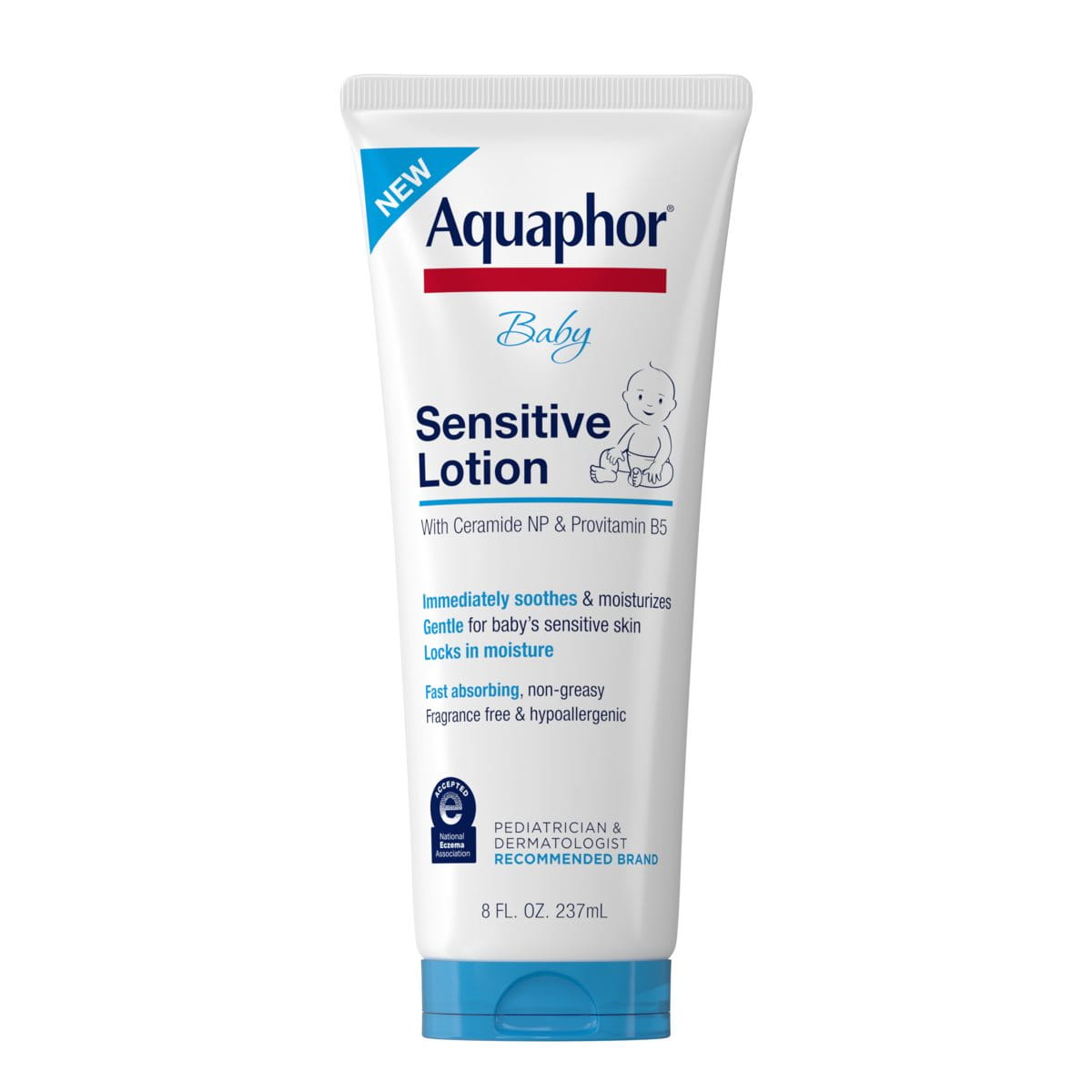
  • Keep skin moisturized – to help ensure baby’s sensitive skin is moisturized, regularly apply a moisturizing lotion like Aquaphor®Baby Sensitive Lotion. This moisturizing lotion for babies is gentle for baby’s sensitive skin and locks in moisture with a formula enriched with Ceramide NP and Provitamin B5. Fast absorbing, non-greasy, fragrance-free and hypoallergenic, this lotion can be applied on the body or the face.
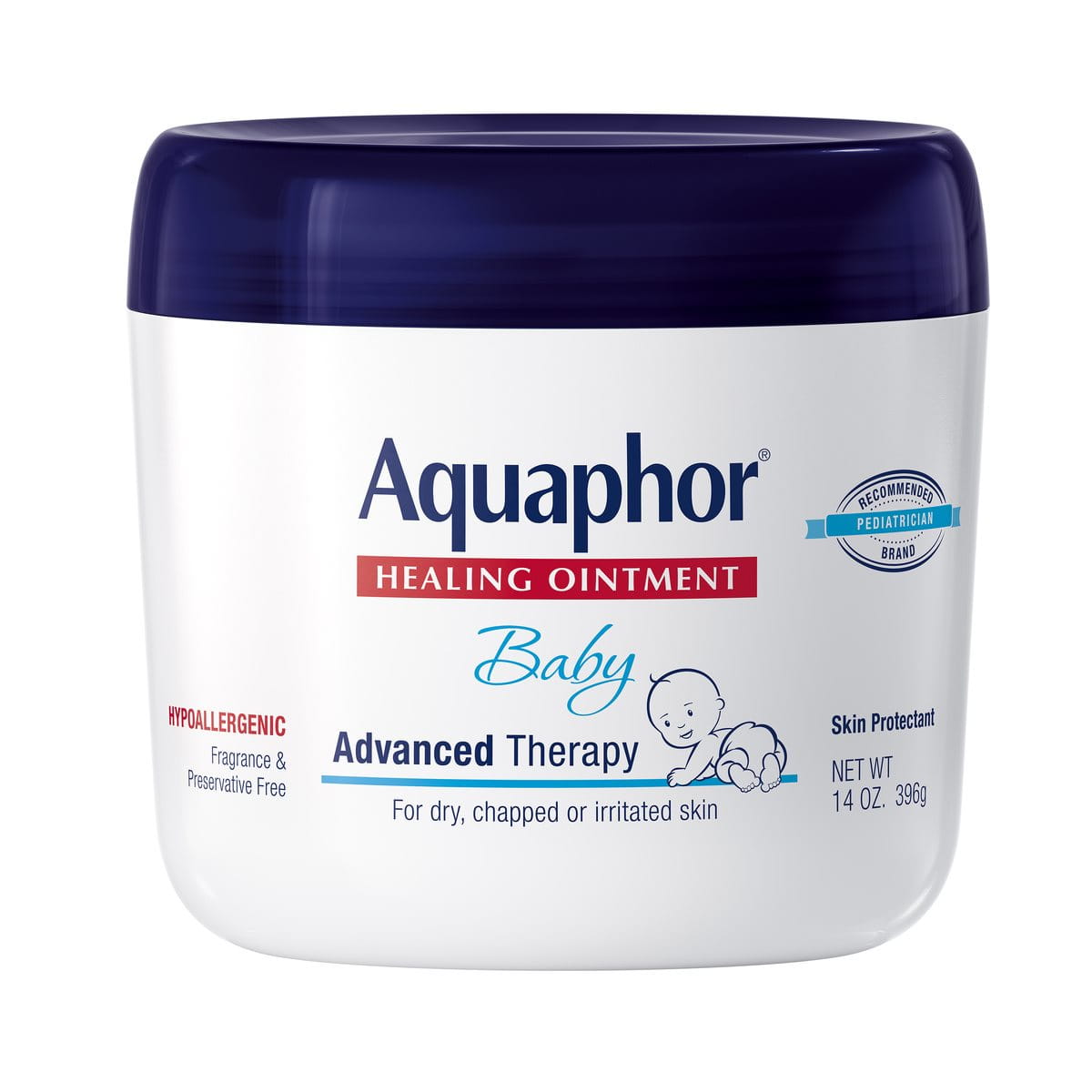
  • Apply an ointment – for areas prone to chafing or showing signs of irritation from dryness, drooling, cold weather or wind, apply a specially formulated skin protectant ointment to help create a soothing moisture barrier and skin protection benefits. Aquaphor®Baby Healing Ointment is uniquely formulated to provide extra gentle care. This fragrance-free skin protectant ointment enriched with Petrolatum (a skin protectant), Panthenol and Glycerin, helps to moisturize, nourish, and protect the skin to enhance healing.

Treating and preventing baby dry skin

It’s no fun to see your little one uncomfortable. Here are some tips on how to help soothe and relieve your baby’s dry skin:

  • Bundle up in the cold - If you live in a colder climate or experience a change of the seasons into winter, be sure to bundle your little one to protect any exposed skin from harsh wind or cold, dry air.
  • Keep your baby hydrated - Ensure that your baby is staying hydrated with enough breastmilk or formula (or water, if older than six months unless otherwise advised by your pediatrician).
  • Protect their delicate skin from the sun - For babies under six months, limit their exposure to sun and keep them in the shade, out of direct sunlight whenever possible. If you’re going outside with your baby, be sure to keep them cool and dry in breathable clothing in warm weather, and use a bonnet or sun hat to protect their scalp, neck, and ears from sun exposure. For babies over six months, be sure to frequently apply a high-SPF sunscreen as directed suitable for their age.
  • Simplify bathtime
    • Less is more – when it comes to bathing a baby, you don’t need to bathe them every day. In fact, doing so can cause your baby to develop dry skin. Giving a baby a full bath just once or twice a week is usually sufficient, while gently cleaning their face and diaper area more frequently in between.
    • Keep it short: Limit bathtime to 5-10 minutes tops and always use lukewarm water. Hot water will further dry out their delicate skin.
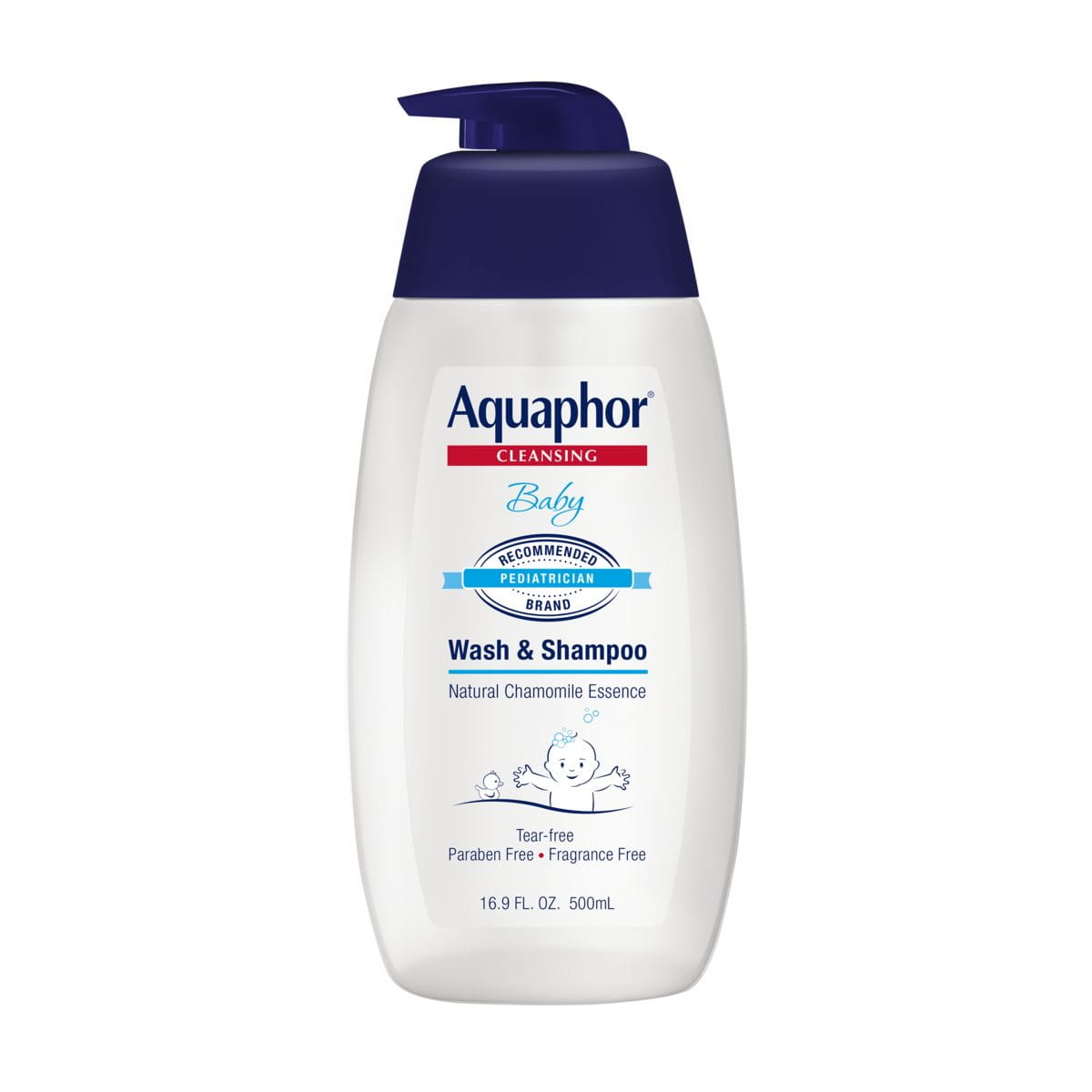
    • Use gentle cleansers: Soaps and detergents containing fragrances or harsh chemicals can irritate your baby’s skin and cause it to dry out. Be sure to wash with a gentle, fragrance- and dye-free cleanser like Aquaphor®Baby Wash & Shampoo and keep bath time to a minimum.
    • Moisturize and protect: After bathtime, gently pat your baby dry with a soft cloth or towel and apply a moisturizing lotion like Aquaphor®Baby Sensitive Lotion. Follow up with a skin protectant ointment like Aquaphor®Baby Healing Ointment to areas prone to dryness or chafing skin to help create a soothing barrier and protect the skin.
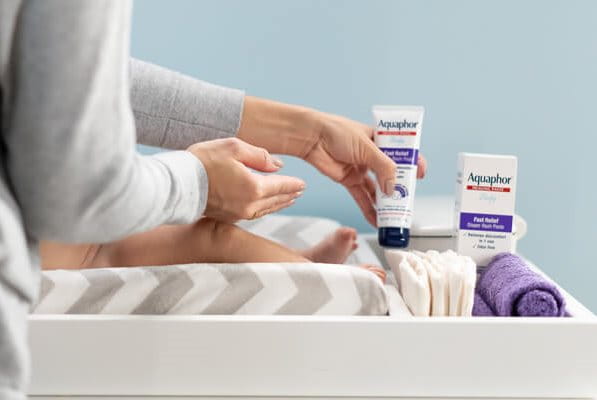
  • Change diapers more often - Frequently change your baby’s diaper and always apply a thick layer of skin protectant ointment, like Aquaphor®Baby Healing Ointment, this will help protect your baby’s bottom from wetness, acidity, and chafing. If a rash develops, switch to a treatment with zinc oxide skin protectant , like Aquaphor®Baby 3-in-1 Diaper Rash Cream or Aquaphor®Baby Fast Relief Diaper Rash Paste.
  • Use a humidifier - When the air inside your home gets dry, particularly in winter when the heat is on, it can be helpful to use a humidifier to help keep your baby’s skin moisturized.

When to call the doctor about baby’s dry skin

While dry skin can be uncomfortable, it is usually manageable with some gentle at-home care. But there are times when dry skin merits further attention. Be sure to call your pediatrician if:

  • Your baby’s dry skin doesn’t seem to be getting better after a few days of at-home treatment or starts getting worse.
  • Your baby’s skin is showing symptoms like cracking/bleeding, oozing4, crusting, or if areas of irritation appear to be spreading.
  • Your baby’s skin is severely itchy.
  • Your baby is showing other symptoms like fever or lethargy5.

Step-by-step baby skincare routine for dry skin

On bath days:

  • Cleanse gently using a gentle cleanser specially formulated for babies such as Aquaphor® Baby Wash & Shampoo.
  • Gently pat skin dry with a soft towel.
  • Apply a moisturizing lotion such as Aquaphor Baby Sensitive Lotion all over baby’s skin to lock in moisture and soothe baby’s dry skin.
  • Apply a skin protectant ointment such as Aquaphor® Baby Healing Ointment to areas prone to dryness immediately after bathing, diaper changes, and any time skin looks dry.

Read our full baby bathing guide for more skin-friendly baby bathtime tips.

On non-bath days:

  • Spot clean as needed using water and a soft cloth, being sure to gently wipe and ensuring that skin is clean and fully dry.
  • Moisturize dry areas of skin regularly by applying Aquaphor Baby Sensitive Lotion for daily moisturizing care, and applying Aquaphor Baby Healing Ointment to dry or chafed areas and at every diaper change.
  • Bundle up to protect exposed areas of skin before going outside, particularly in cold, dry weather.

Daytime vs bedtime:

  • For daytime skincare, be sure to take precautions to protect baby’s skin from the sun’s harmful UV rays, such as avoiding sun during peak hours of the day, covering with protective clothing, seeking shade when outdoors, and using a baby-safe sunscreen (if your baby is over 6 months6. Follow instructions on the drug facts box).
  • For bedtime skincare, apply skin protectant Aquaphor Baby Healing Ointment to the diaper area of skin at bedtime diaper change, and also apply to help soothe existing dry skin and help prevent dry skin from developing.

Soothe baby’s dry skin with Aquaphor® Baby

Aquaphor® is a pediatrician-recommended brand and knows how sensitive baby’s skin can be and has created gentle solutions suitable for your baby’s delicate skin needs. Shop our line of Aquaphor® Baby skin care products and help support moisturized, healthy-looking skin for your little one.

The information provided herein is not intended to be medical advice. Nor is it intended to treat the underlying skin disease or condition. The information is provided solely to:

  1. Moisturize, soften and smooth dry skin
  2. Improve the appearance of the skin
  3. Achieve healthier-looking skin

Baby’s dry skin FAQs (6)

  • Is baby peeling skin normal?

    When babies are first born, skin peeling is very normal and a natural process of early development. If your baby is more than a few weeks old and experiences sudden, prolonged, or worsening dry skin, be sure to contact your pediatrician.
  • Can frequently bathing my baby cause dry skin?

    Yes. Over-bathing can contribute to skin irritation and dryness. Generally bathing your baby 1-3 times a week is sufficient, with gentle spot treatment with water and a soft cloth in between baths. Learn more tips for how to bathe your baby here.
  • How do I help prevent dry skin from drool rash?

    Keeping your baby’s skin clean and dry is key to helping prevent moisture-related irritation like drool rash. If you notice your baby’s skin or clothing is wet from drool, gently wipe the skin with a soft cloth and pat dry, and change your baby into fresh, dry clothing.
  • How can I help protect my baby’s dry, chapped-looking cheeks in cold weather?

    If your baby’s skin is getting dry or chapped in the cold weather, be sure to apply a skin protectant ointment like Aquaphor® Baby Healing Ointment to affected areas, protect your baby’s skin from the elements by bundling up when going outside, and use a humidifier indoors if indoor air is dry.
  • What ingredients should I avoid in baby skin care products?

    Babies’ sensitive skin can react to harsh chemicals and fragrances commonly found in detergents, soaps, and skincare products. Look for hypoallergenic, baby-friendly laundry and skincare products to help support your baby’s sensitive skin.
  • How can I tell if my baby has dry skin or something more serious?

    Dry skin is a common problem marked by flakiness, skin tightness or dullness, and sometimes even cracking from dryness. If your baby’s dry skin shows signs of significant irritation, itchiness, or is accompanied by other signs of illness, it could be something more serious.  If you’re at all concerned about your baby’s dry skin, contact a pediatrician for further guidance.

Baby dry skin ointment and other products

Sources:

  1. Choi, E. H. Skin Barrier Function in Neonates and Infants. Allergy, Asthma & Immunology Research 2025, 17 (1), 32. https://doi.org/10.4168/aair.2025.17.1.32.
  2. Newborn Skin Peeling on Face and Body: What Should Parents Do? Healthline. https://www.healthline.com/health/parenting/newborn-skin-peeling#why-it-happens.
  3. Cherney, K. What Causes Dry Scalp in Babies, and How’s It Treated? Healthline. https://www.healthline.com/health/parenting/baby-dry-scalp.
  4. Baby Eczema: Causes & Treatment. Cleveland Clinic. https://my.clevelandclinic.org/health/diseases/23408-baby-eczema.
  5. Fletcher, J. 8 Tips for Protecting Baby’s Skin. Healthline. https://www.healthline.com/health/baby/tips-for-protecting-baby-skin.
  6. Bringing up a Sun-Safe Baby. The Skin Cancer Foundation. https://www.skincancer.org/blog/bringing-up-a-sun-safe-baby/.

Related Articles

Find a Retailer