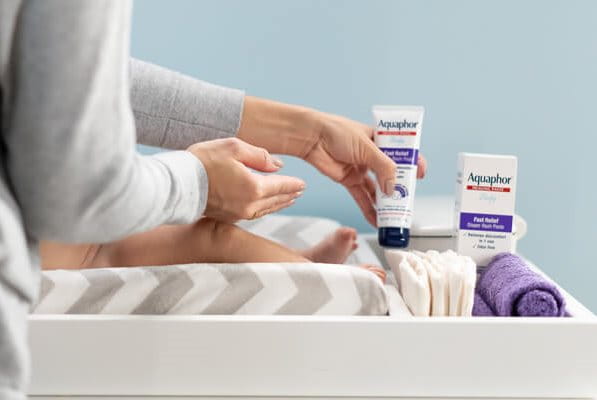
Diaper changing can be an unpleasant event for all involved, but it’s so much worse when your little one suffers from diaper rash. If your little one struggles with diaper rash, take a closer look at what they’re eating, as some foods have been linked to causing diaper rash.
What is diaper rash?
Diaper rash may occur when a baby’s bottom is wet or exposed to soiled diaper contents for a bit too long, and then encounters friction from the diaper rubbing against the skin, causing a rash.
Diaper rash symptoms in the diaper area (genitals, buttocks, thighs) include:
- Slightly reddened skin
- The area may be warm to the touch
- There may be a few isolated diaper rash spots, or the rash may cover the whole area
- Your baby may also seem fussy or irritable, especially during diaper changes
Can certain foods contribute to diaper rash?
As diaper rash is caused by prolonged exposure to wetness or soiled diaper contents, certain foods can contribute to diaper rash if they are causing more frequent and loose bowel movements. Introducing new solid foods to babies can sometimes cause stomach upset, with acidic foods often being a main cause for loose stools that can contribute to the development of diaper rash1.
Other common causes of diaper rash
In addition to certain foods, other factors that contribute to diaper rash include:
- Stool, urine, or illness: Your baby’s skin is very sensitive and can quickly become irritated by stool and urine. This can intensify when they are sick or have diarrhea2.
- Infection: this is the second most common cause of diaper rash, with a yeast infection being the most common3 Learn how to tell the difference between a diaper rash from skin irritation and a yeast infection.
- Friction: If your baby’s diaper or clothing is too tight, this can lead to chafing, rubbing, and irritation2.
- New products: Have you recently switched to a new brand of diapers, wipes, laundry detergent, or lotions? These can all potentially cause a reaction in baby’s sensitive skin2.
- Antibiotics: Unfortunately, antibiotics can impact the healthy balance of bacteria in your baby’s gut. This can lead to diarrhea which may trigger diaper rash2.
4 common foods that may contribute to diaper rash
While diaper rash may be caused by a number of different foods depending on your baby’s digestive system, there are some foods that more commonly contribute to diaper rash due to their acidity and tendency to cause loose stools:
- Citrus fruits. Most toddlers love fruit, but if they are prone to diaper rash, be cautious about acidic citrus fruits like orange, grapefruit, lemon, lime, or juices made from these fruits.
- Tomatoes are another common contributor to diaper rash due to their acidity. To help avoid acidic stools, avoid tomatoes and any foods containing tomatoes like spaghetti sauce and ketchup.
- Strawberries. Though not considered a citrus fruit, strawberries are acidic and, despite their sweetness, may cause digestive irritation leading to acidic stools, potentially causing diaper rash.
- Pineapple. Pineapple is another sweet yet acidic fruit. For other tropical fruit alternatives, consider banana, mango, or papaya.
How to soothe diaper rash
If your baby is experiencing diaper rash, thankfully there are some steps you can take to help soothe their skin so it can heal:
- Keep the affected area clean and dry, allowing for air exposure4
- Change diapers frequently to reduce time the skin is exposed and potentially irritated by soiled diaper contents3.
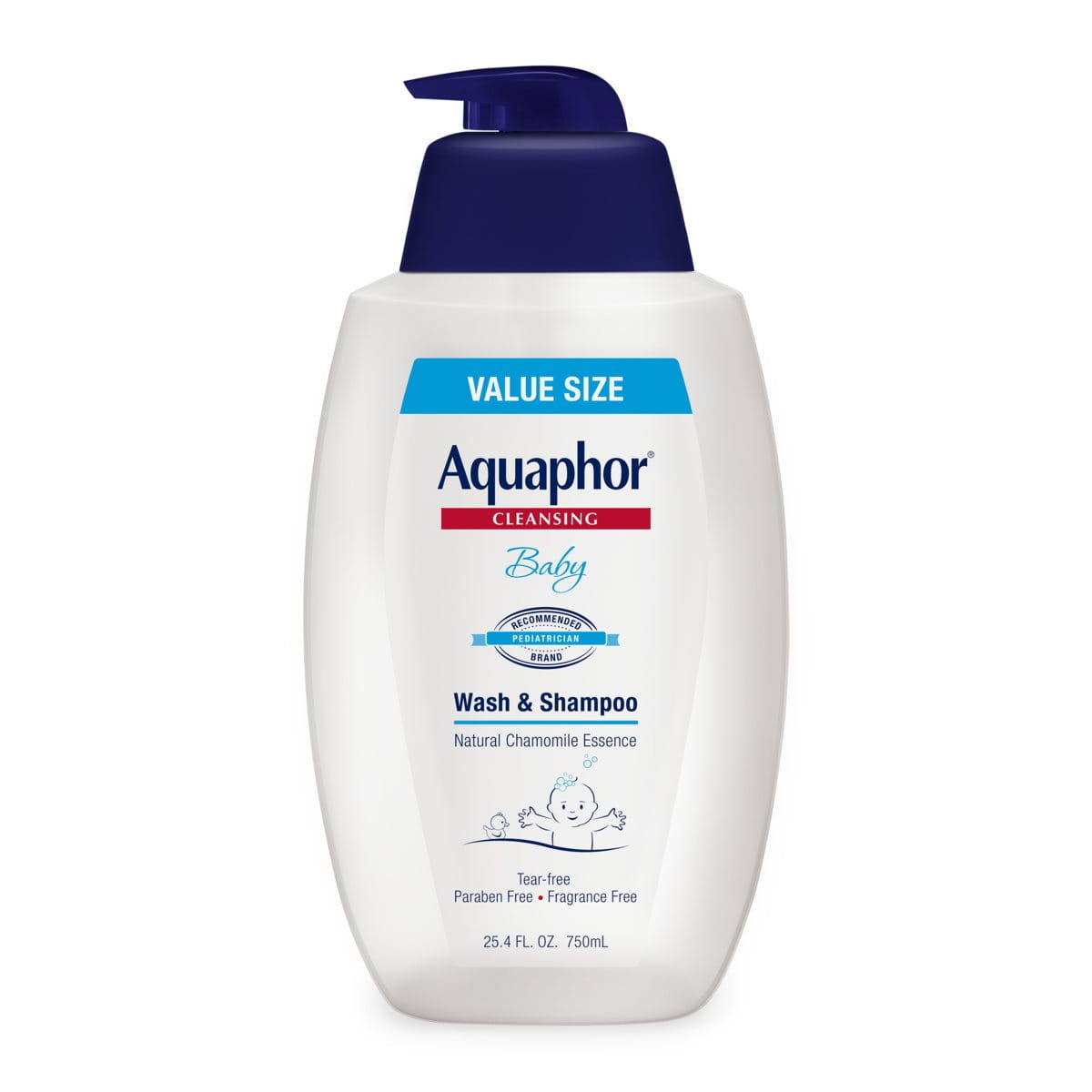
- Clean your baby’s skin with a gentle cleanser specially formulated to be gentle on baby’s sensitive skin, such as Aquaphor® Baby Wash & Shampoo.
- At every diaper change, apply a hypoallergenic diaper rash cream such as Aquaphor® Baby 3 in 1 Diaper Rash Cream. This diaper rash cream helps prevent, soothe, and treat diaper rash and should be applied at the first signs of diaper rash. For more troublesome diaper rash, try Aquaphor® Baby Diaper Rash Paste.
How to help prevent diaper rash
Preventing diaper rash involves similar tips to soothing existing diaper rash. Here are some simple steps you can take to help prevent diaper rash:
- Change your baby’s diaper frequently to avoid prolonged contact with wetness and soiled diaper contents. When changing their diaper, be mindful of potentially irritating baby wipes or other products. If using wipes, opt for fragrance- and alcohol-free wipes designed for baby’s sensitive skin. Alternatively, you may wish to gently wipe with plain water or a mild baby-safe cleanser with a washcloth2.
- Expose your baby’s skin to the air as much as possible and let your baby go diaper-free when possible2
- Monitor your baby’s reactions to new foods, particularly those commonly associated with diaper rash, and adjust accordingly to help prevent loose stools.
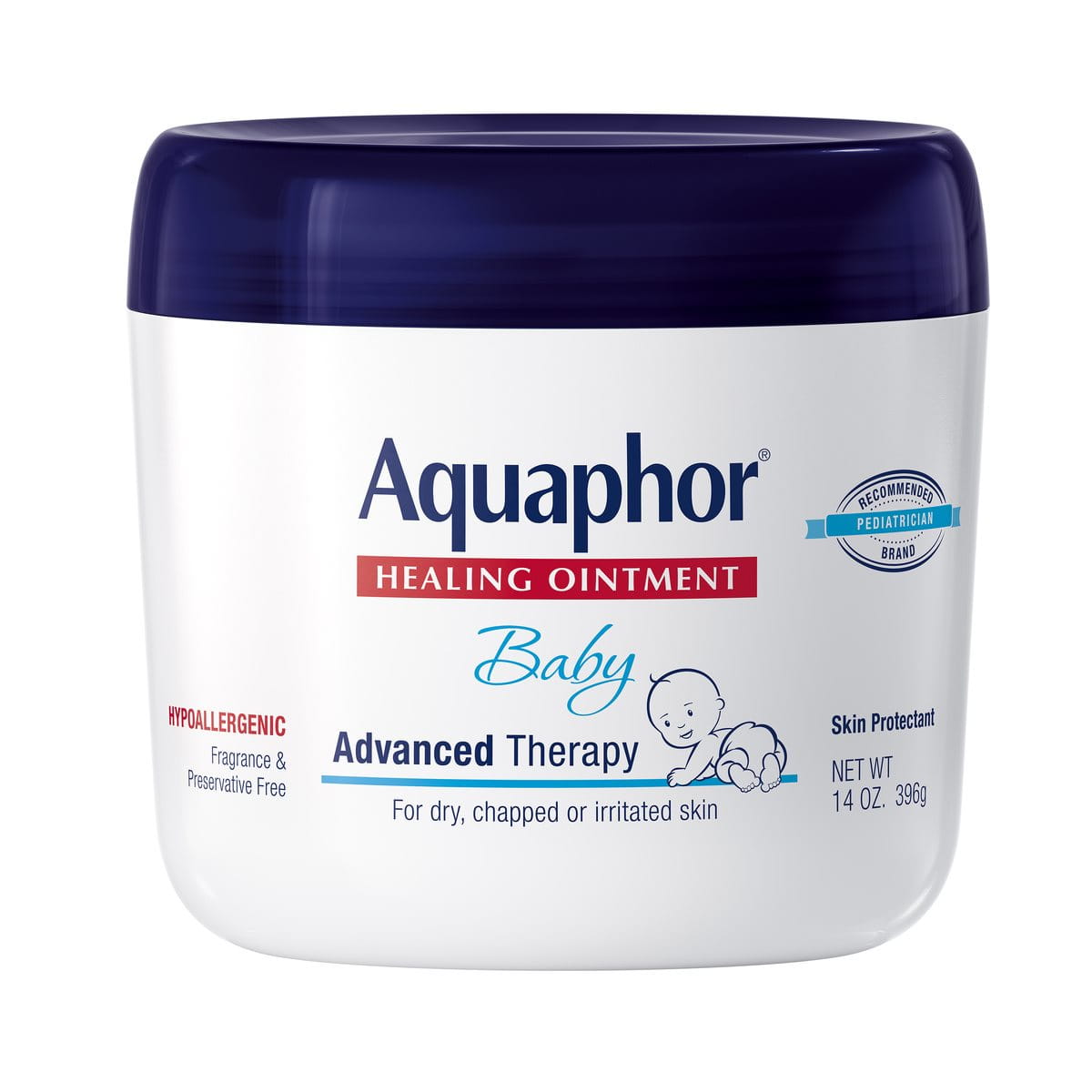
- Apply a soothing ointment such as Aquaphor® Baby Healing Ointment to affected areas and at every diaper change to help provide a protective barrier against moisture.
Aquaphor® Baby for diaper rash and beyond
Aquaphor® Baby offers baby skincare products specially formulated to be gentle on your baby’s sensitive skin. Whether your baby is experiencing diaper rash or you’re just looking to prevent it, there is an Aquaphor® Baby diaper rash product for you.
Aquaphor® 3 in 1 Diaper Rash Cream contains zinc oxide (skin protectant) to protect and help soothe irritated skin, which makes it a great diaper rash treatment. It starts to work as soon as you apply it, so use it at the first signs of diaper rash, or as a preventive measure. Aquaphor Baby is a pediatrician-recommended brand, and this formula is hypoallergenic, fragrance & paraben-free.
Aquaphor® 3 in 1 Diaper Rash Cream contains zinc oxide (skin protectant) to protect and help soothe irritated skin, which makes it a great diaper rash treatment. It starts to work as soon as you apply it, so use it at the first signs of diaper rash, or as a preventive measure. Aquaphor Baby is a pediatrician-recommended brand, and this formula is hypoallergenic, fragrance & paraben-free.

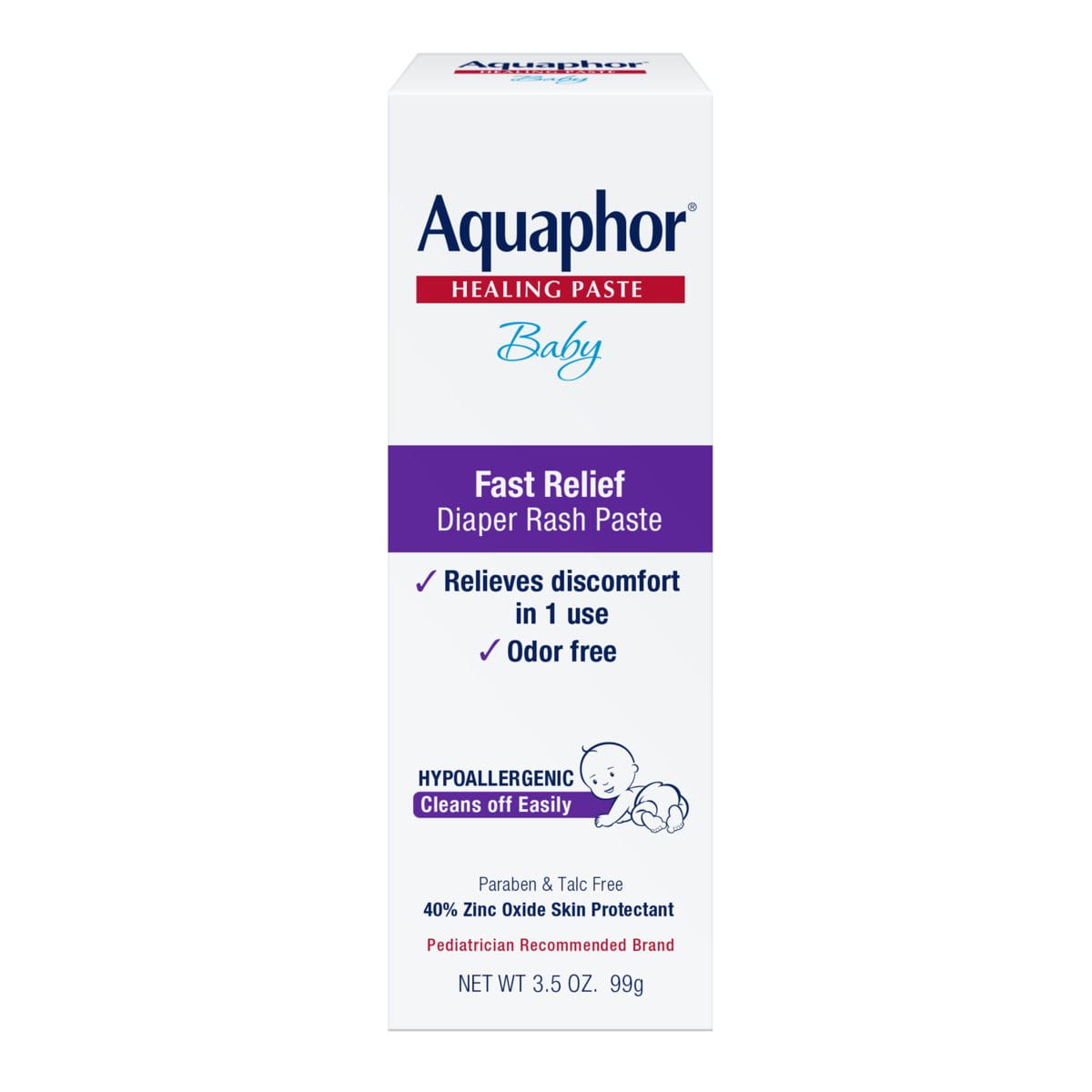
Use Aquaphor® Baby Diaper Rash Paste with 40% zinc oxide (skin protectant) for fast soothing relief from more troublesome diaper rash. This diaper rash paste provides long-lasting protection all night long in a hypoallergenic, odor-free formula free of parabens and talc.
Even better than treating diaper rash is preventing it from happening in the first place. At every diaper change, apply a layer of Aquaphor® Baby Healing Ointment as a protective barrier against moisture, which can help prevent diaper rashes from starting in the first place. Preservative- and fragrance-free, this skin protectant ointment enriched with Panthenol and Glycerin helps to protect the skin against diaper rash
Note: If your baby is showing signs of severe diaper rash or if their diaper rash persists, be sure to contact your pediatrician for further guidance.
The information provided herein is not intended to be medical advice. Nor is it intended to treat the underlying skin disease or condition. The information is provided solely to:
- Moisturize, soften and smooth dry skin
- Improve the appearance of the skin
- Achieve healthier-looking skin
Sources
- Are Food Allergies Causing Your Baby’s Diaper Rash? Cleveland Clinic. https://health.clevelandclinic.org/are-food-allergies-causing-your-babys-diaper-rash.
- Mayo Clinic. Diaper rash - Symptoms and causes. Mayo Clinic. https://www.mayoclinic.org/diseases-conditions/diaper-rash/symptoms-causes/syc-20371636.
- Benitez Ojeda, A.; Mendez, M. D. Diaper Dermatitis. PubMed. https://www.ncbi.nlm.nih.gov/books/NBK559067/.
- Diaper rash | EBSCO. EBSCO Information Services, Inc. | www.ebsco.com. https://www.ebsco.com/research-starters/consumer-health/diaper-rash.