Skin-to-Skin Contact with Your Baby

Show more
The quiet moments with your baby are often the ones you cherish most. Skin-to-skin contact is a simple way to slow down, hold your baby close, and create a calm, comforting experience for both of you.

In this article, we’ll explain what skin-to-skin contact is, why families do it, how to do it safely, and how to make it part of an everyday routine with Aquaphor Baby products.
What is skin-to-skin contact?

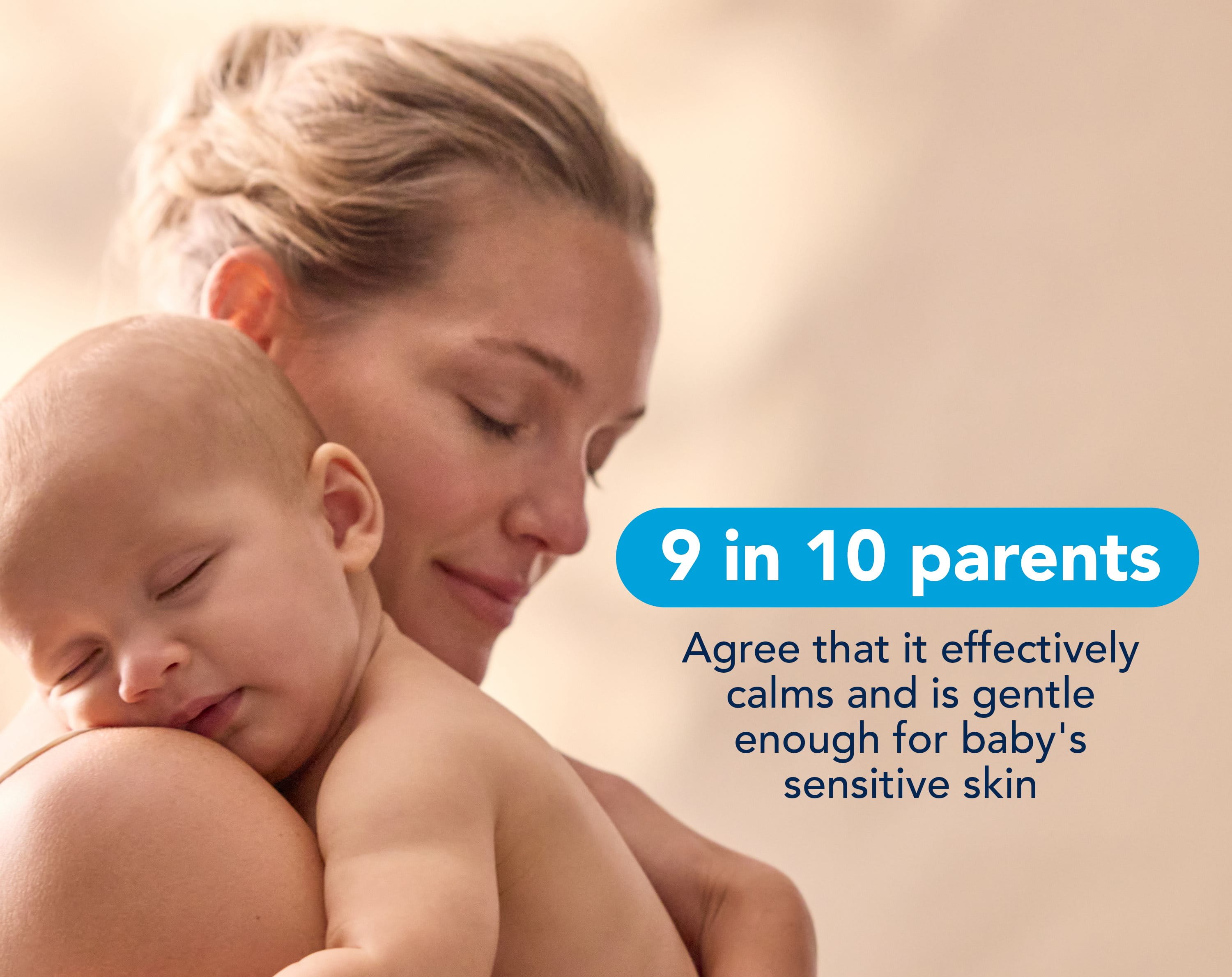
Skin-to-skin contact is when a baby is placed skin to skin, directly on a caregiver’s bare chest. The baby is then covered with a blanket to help keep them comfortable and warm. Skin-to-skin contact is commonly encouraged right after birth, but it can be maintained well into the future as part of regular bonding time1.

Other names for skin-to-skin contact

Skin-to-skin contact is also referred to as kangaroo care. The term “kangaroo care” is often used in medical settings2. In everyday use, people may use “kangaroo care” and “skin-to-skin contact” interchangeably. Another common term is “skin-on-skin bonding.” The main idea behind both terms is the same: the baby rests against the caregiver’s chest for warmth, comfort, and closeness.

Benefits of skin-to-skin contact

Every family’s experience is different, but skin-to-skin contact has been associated with a range of benefits for both the baby and caregiver3.

​Feeding support

Research shows skin-to-skin contact may help support breastfeeding outcomes, including breastfeeding initiation and continuation4.

Warmth and comfort

Skin-to-skin contact may help support babies' comfort and temperature regulation, especially during the early days after birth3.

Calming and stability

Skin-to-skin time may help your baby settle and support stable patterns of breathing and heart rate5.

Connection and bonding

Many caregivers find skin-to-skin contact supports closeness and helps build confidence as they get to know their baby’s cues6.

How to: skin-to-skin contact

Skin-to-skin contact does not have to be complicated. These simple steps can be incorporated into your daily routine.

Skin-to-skin contact step-by-step

  1. Wear something comfortable that opens easily in the front.
  2. Choose a calm, warm place where you can sit back comfortably.
  3. Place your baby upright against your bare chest.
  4. Tilt your baby’s head to the side and make sure their nose and mouth stay clear.
  5. Cover your baby’s back with a warm blanket. A robe or button-down top to wrap around their body can help keep them snug.
  6. Stay together as long as you are comfortable and awake1,2.

How long should skin-to-skin contact last?

There is no “right” amount of time. Some families do shorter sessions, while others settle in for longer. The goal is supervised time with your baby positioned safely and comfortably. Many families find it convenient to do skin-to-skin time early in the morning and after bath time1.

How Aquaphor Baby Care products can fit into skin-to-skin time

For babies 3 months and up*, Aquaphor Baby Care products can be used as part of your baby’s routine before or after skin-to-skin contact, helping to support gentle cleansing and skin care.

Aquaphor Baby Wash & Shampoo

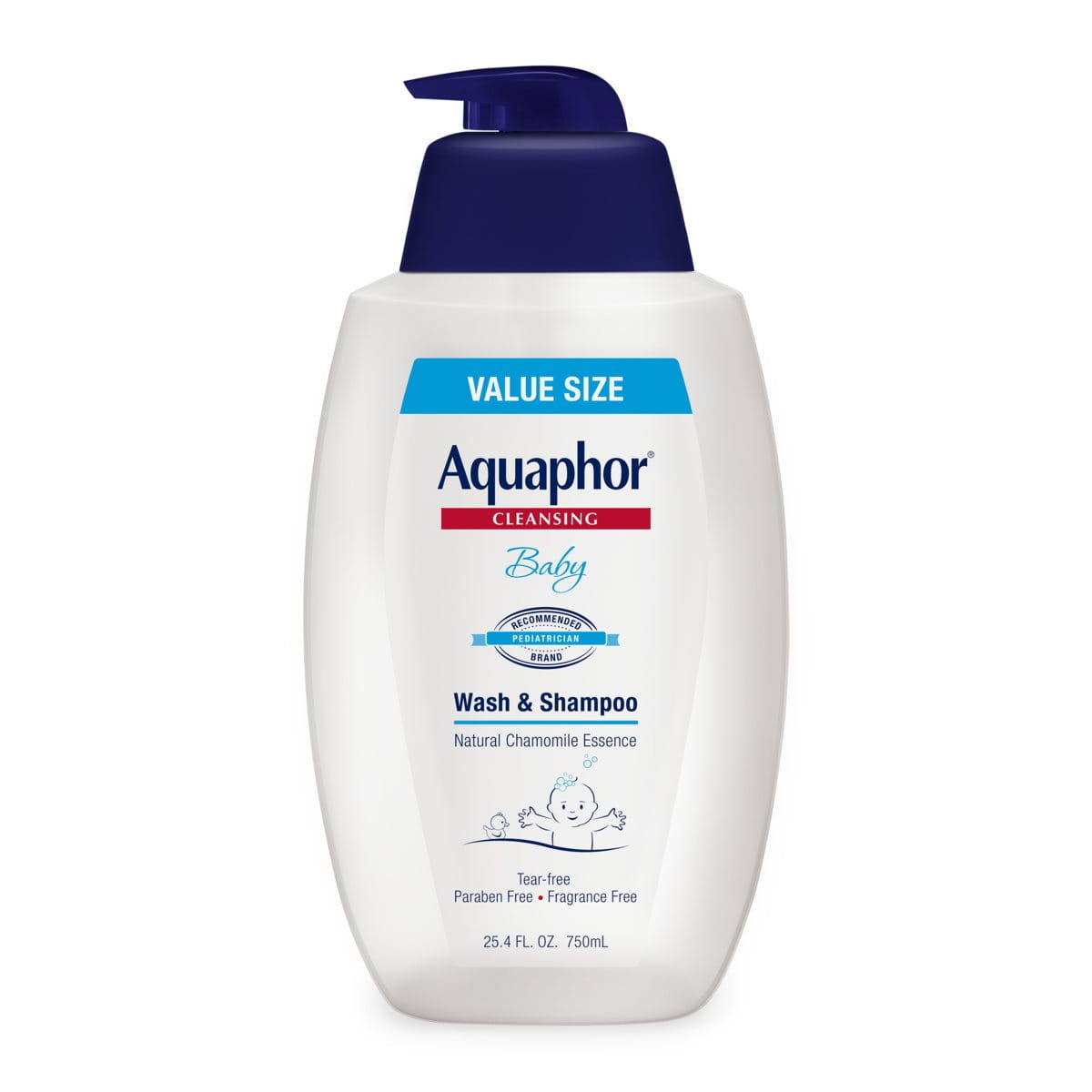
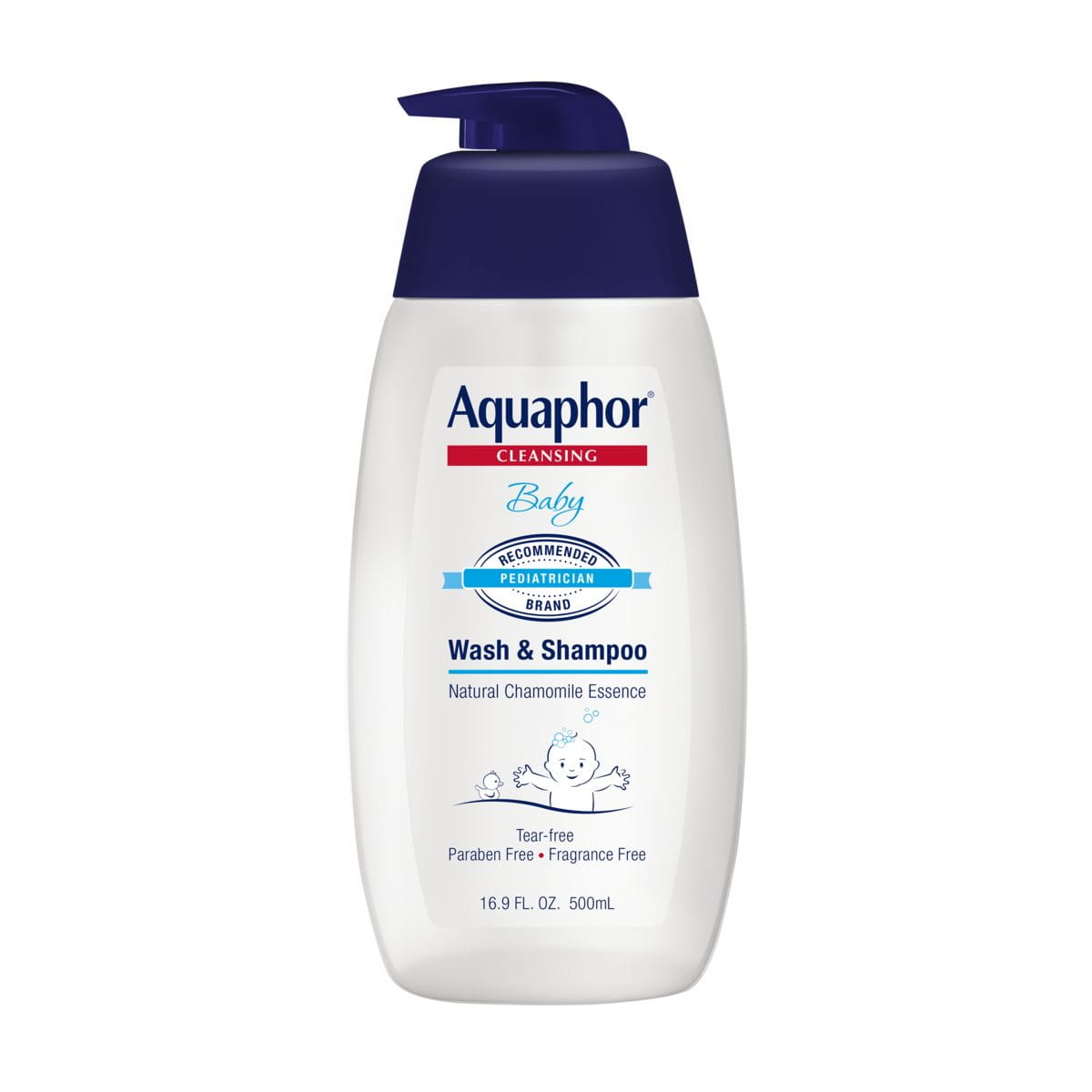
If skin-to-skin time happens after a bath, keeping bath time gentle can help support your baby’s comfort. Aquaphor® Baby Wash & Shampoo is a mild, one-step option for cleansing your baby’s skin and hair before settling in for skin-to-skin time. Enriched with Provitamin B5, its formula helps to soothe and cleanse baby’s skin without drying, and washes hair without irritating the scalp. Specially designed for your baby’s sensitive skin, this mild two-in-one solution is paraben- and fragrance-free.
For more detailed guidance on bath time, read our Aquaphor Baby Bathing Guide.

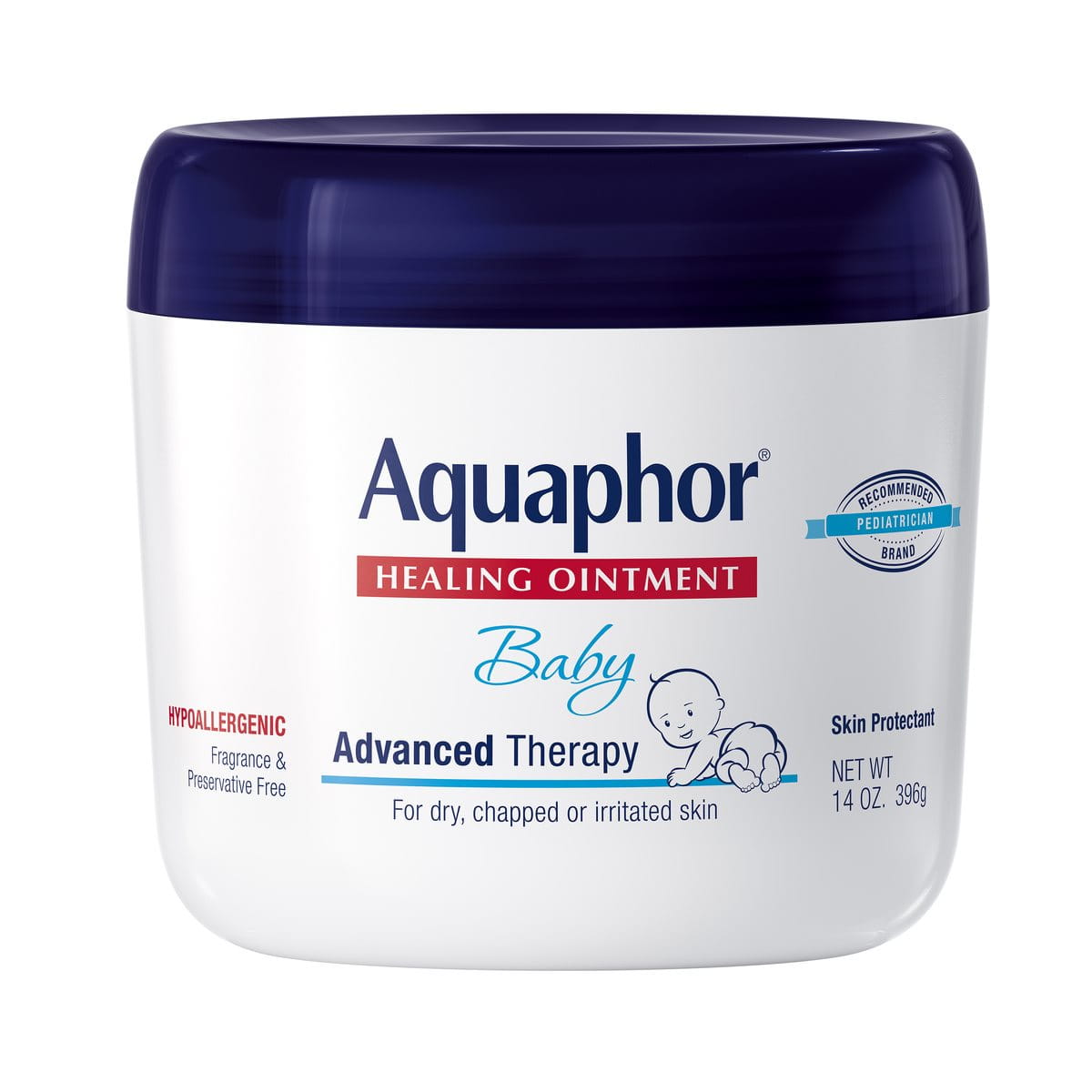
Aquaphor® Baby Healing Ointment

Aquaphor® Baby Healing Ointment is uniquely formulated to provide the extra gentle care your baby’s tender and delicate skin needs. This multi-purpose skin protectant ointment can be used for many of your baby’s skin needs, from chapped cheeks to minor scrapes and scratches, to diaper rash, drool rash, to dry skin, and more. Apply any time your baby’s skin is dry or chapped, at every diaper change to help prevent diaper rash, or use it to help prevent dry skin after a bath, when skin is freshly dried, or after skin-to-skin time when your baby is calm and relaxed. 

Aquaphor® Baby Sensitive Lotion

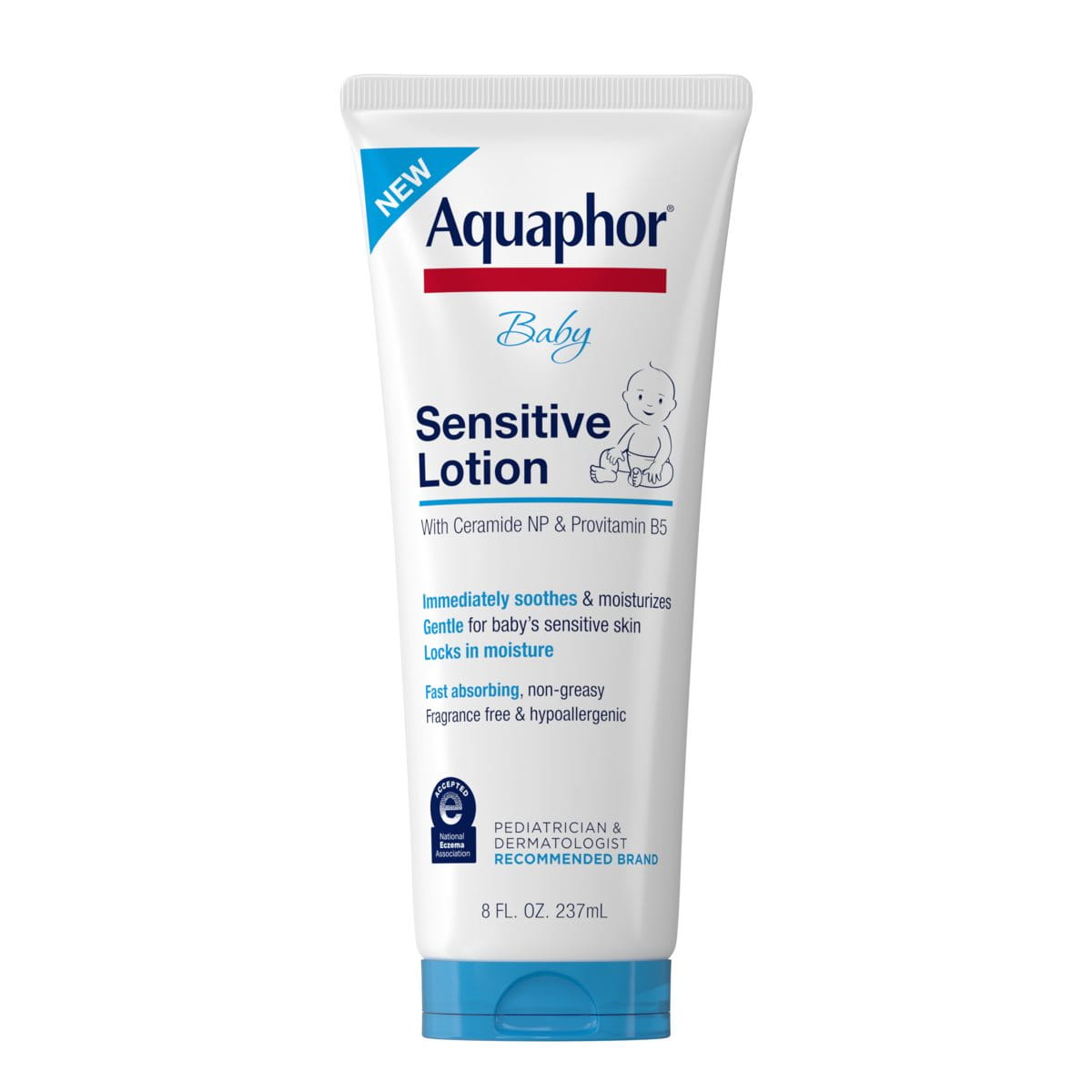
Aquaphor® Baby Sensitive Lotion immediately soothes and moisturizes and is gentle for baby’s sensitive skin. This fast-absorbing lotion locks in moisture in a non-greasy formula that is fragrance free and hypoallergenic. Formulated with Ceramide NP and Provitamin B5, Aquaphor® Baby Sensitive Lotion is accepted by the National Eczema Association and can help keep your little one’s skin soothed and moisturized. 
*Aquaphor Baby products are not intended for use on infants under the age of 3 months.

Safety tips for skin-to-skin contact

Skin-to-skin contact should always be done with safety in mind 1,2:

Stay awake and alert:

If you feel sleepy, place your baby in a safe sleep space before you rest.

Keep your baby’s airways clear:

Your baby’s nose and mouth should remain uncovered, with their head turned to the side.

Support your baby’s position:

Your baby should stay upright against your chest and be well supported so they do not slump forward.

Follow your care team’s guidance:

If your baby is receiving medical care, recommendations for positioning and monitoring may be different.

When to check with a healthcare professional

Skin-to-skin contact is commonly encouraged, but it is always okay to ask for guidance. This may be especially helpful if your baby has specific medical needs. Your care team can share what they recommend for you and your baby. Be sure to contact your pediatrician to help answer any questions you may have.

Skin-to-skin FAQs (3)

  • Can partners or other caregivers do skin-to-skin contact?

    Yes. Skin-to-skin contact can be done by a parent, partner, or another caregiver. The goal is the same: your baby resting safely on a bare chest for warmth, comfort, and closeness1.
  • How do I know my baby is positioned safely?

    A safe position generally means your baby is upright against your chest, well supported, with their head turned to the side so their nose and mouth remain clear2. If you have questions, your care team can show you what safe positioning looks like.
  • What if skin-to-skin contact feels uncomfortable?

    You may find it helpful to adjust your position, use extra pillows for support, or start with shorter sessions. A partner or caregiver can also help by staying nearby, offering support, or taking turns. If you have concerns what’s safe for your situation, check with your care team.

The information provided herein is not intended to be medical advice. Nor is it intended to treat the underlying skin disease or condition. The information is provided solely to:

  1. Moisturize, soften and smooth dry skin  
  2. Improve the appearance of the skin  
  3. Achieve healthier-looking skin  

Sources

  1. Cleveland clinic. Kangaroo Care & Babies. Cleveland Clinic.
    https://my.clevelandclinic.org/health/treatments/12578-kangaroo-care.
  2. Kangaroo Care. www.hopkinsmedicine.org. https://www.hopkinsmedicine.org/all-childrens-hospital/services/maternal-fetal-neonatal-institute/neonatology/about-our-nicu/kangaroo-care.
  3. Campbell-Yeo, M.; Disher, T.; Benoit, B.; Johnston, C. Understanding Kangaroo Care and Its Benefits to Preterm Infants. Pediatric Health, Medicine and Therapeutics 2015, 6 (6), 15. https://doi.org/10.2147/phmt.s51869.
  4. NIHR Evidence - Skin-to-skin contact improves breastfeeding of healthy babies - Informative and accessible health and care research. evidence.nihr.ac.uk. https://evidence.nihr.ac.uk/alert/skin-to-skin-contact-improves-breastfeeding-of-healthy-babies/.
  5. Feng, X.; Zhang, Y. Effects of Mother–Infant Skin‐To‐Skin Contact on Mother–Infant Relationship and Maternal Psychology Feelings: A Qualitative Study. Nursing Open 2024, 11 (6). https://doi.org/10.1002/nop2.2181.
  6. Moore, E. R.; Kajsa Brimdyr; Blair, A.; Jonas, W.; Siri Lilliesköld; Svensson, K.; Ahmed, A. H.; Bastarache, L. R.; Crenshaw, J. T.; Giugliani, E. R. J.; Grady, J. E.; Zakarija-Grkovic, I.; Haider, R.; Hill, R. R.; Kagawa, M. N.; Mbalinda, S. N.; Stevens, J.; Takahashi, Y.; Cadwell, K. Immediate or Early Skin-To-Skin Contact for Mothers and Their Healthy Newborn Infants. Cochrane library 2025, 2025 (10). https://doi.org/10.1002/14651858.cd003519.pub5

Find a Retailer