Baby & toddler hair care guide

Show more

From fine wisps to curls that seem to change overnight, baby and toddler hair can take many forms. Some babies are born with a full head of hair, while others have very little, and as your little one grows, their hair may change in texture, thickness, or pattern1. Every baby is different, and it’s normal to have questions about how to care for your baby’s or toddler’s hair.

In this guide, you’ll learn how baby and toddler hair is different, what causes common hair changes, and how to build a gentle hair care routine using products made for your little one. With the right approach, hair care can become a simple, comfortable part of your day-to-day.
Why baby and toddler hair needs extra-gentle care

Baby and toddler hair tends to be finer and more delicate than adult hair. The scalp can also be more sensitive and prone to dryness, which is why gentle cleansing and products formulated for babies and toddlers are an important part of hair care2.

Why do babies lose their hair?

It is common to notice thinning or bald spots on the back of your baby's head. While this can seem concerning, these changes are usually temporary. In babies, most hair loss usually occurs in the first 6 months of their life, and may occur at the same time as new hair growth, which means you may not notice a clear difference as hair sheds and regrows3

Here are some common reasons your baby’s hair may thin or shed:

  • Natural hair growth cycles: Baby hair often sheds as new hair grows in.
  • Friction: Hair may thin in areas where the scalp frequently rubs against surfaces, such as cribs, strollers, or play areas3.
  • Cradle Cap: Cradle cap is a common skin condition marked by a greasy appearance and yellowish or flaky patches. While cradle cap itself doesn’t cause hair loss, hair strands may come loose when scaly patches are gently removed3. If you are concerned that your baby may have cradle cap or notice changes to the scalp, please consult with a pediatrician for a proper diagnosis and treatment.

Washing baby and toddler hair

Washing baby and toddler hair doesn’t need to be complicated. Gentle cleansing and simple routines can help keep the hair and scalp comfortable.

How often to wash baby and toddler hair

Many families find that following a wash schedule can prevent their hair from being over-washed. Washing hair two to three times per week is often enough to keep it clean without contributing to dryness. As toddlers become more active, hair may need washing a bit more often4.

Factors that can affect wash frequency include:

  • Hair texture and thickness
  • Activity level
  • Exposure to food, sweat, or outdoor play

Because overwashing can lead to dry skin, it's helpful to adjust your routine based on what works best for your baby or toddler.

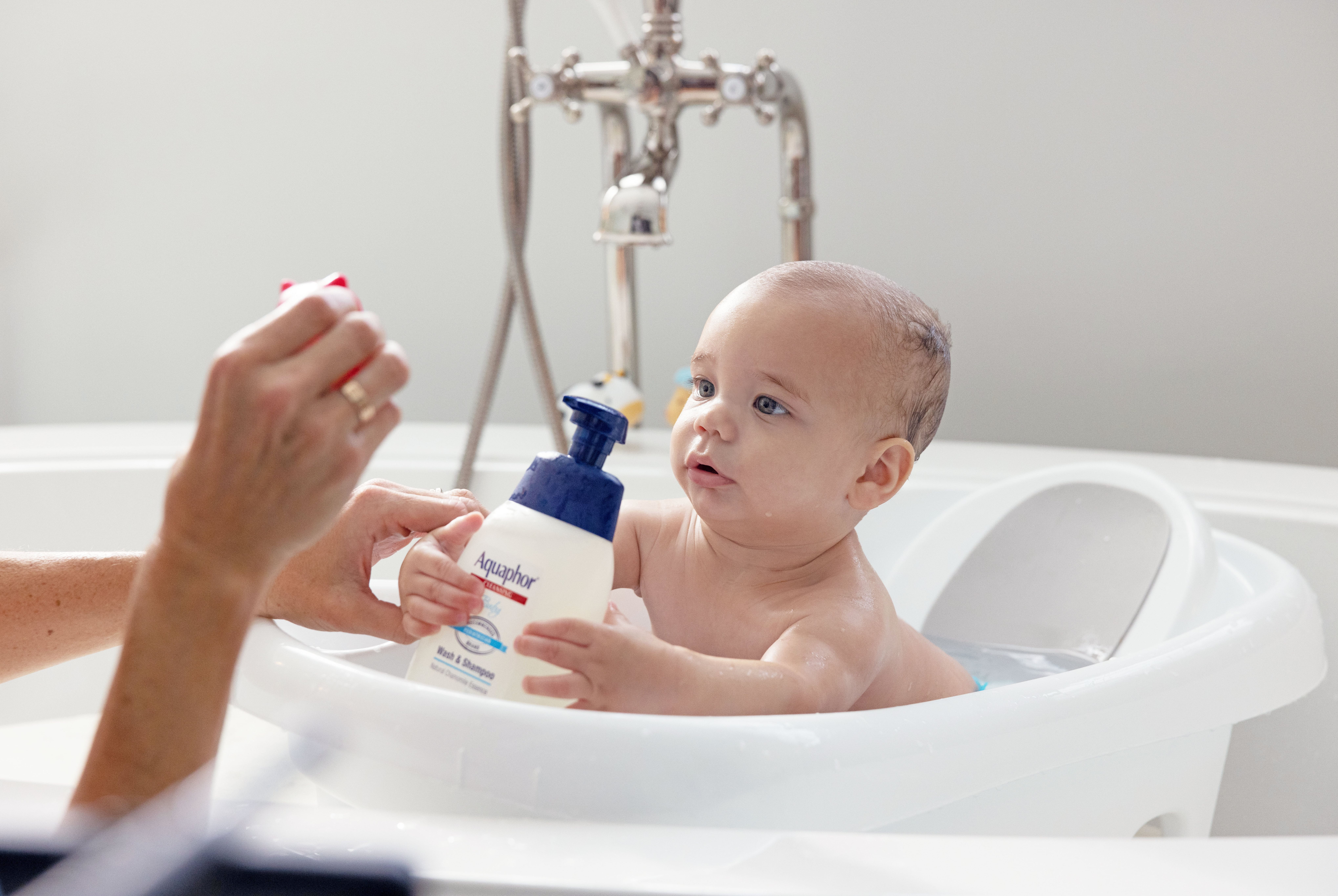
How to gently wash baby and toddler hair

A simple step-by-step hair washing routine can keep hair washing calm and predictable, making bath time easier for everyone4.

  1. Prepare the bath or sink insert with lukewarm water. You can check the temperature on your wrist to confirm that it is not too hot.
  2. Apply a small amount of cleanser to your hands.
  3. Gently massage the scalp using your fingertips.
  4. Rinse thoroughly to avoid residue using a rinse cup or a wet washcloth.
  5. Pat their hair dry with a soft towel.

Choosing the right hair cleanser

When choosing a cleanser, look for formulas specifically designed for babies that are mild and fragrance-free4.

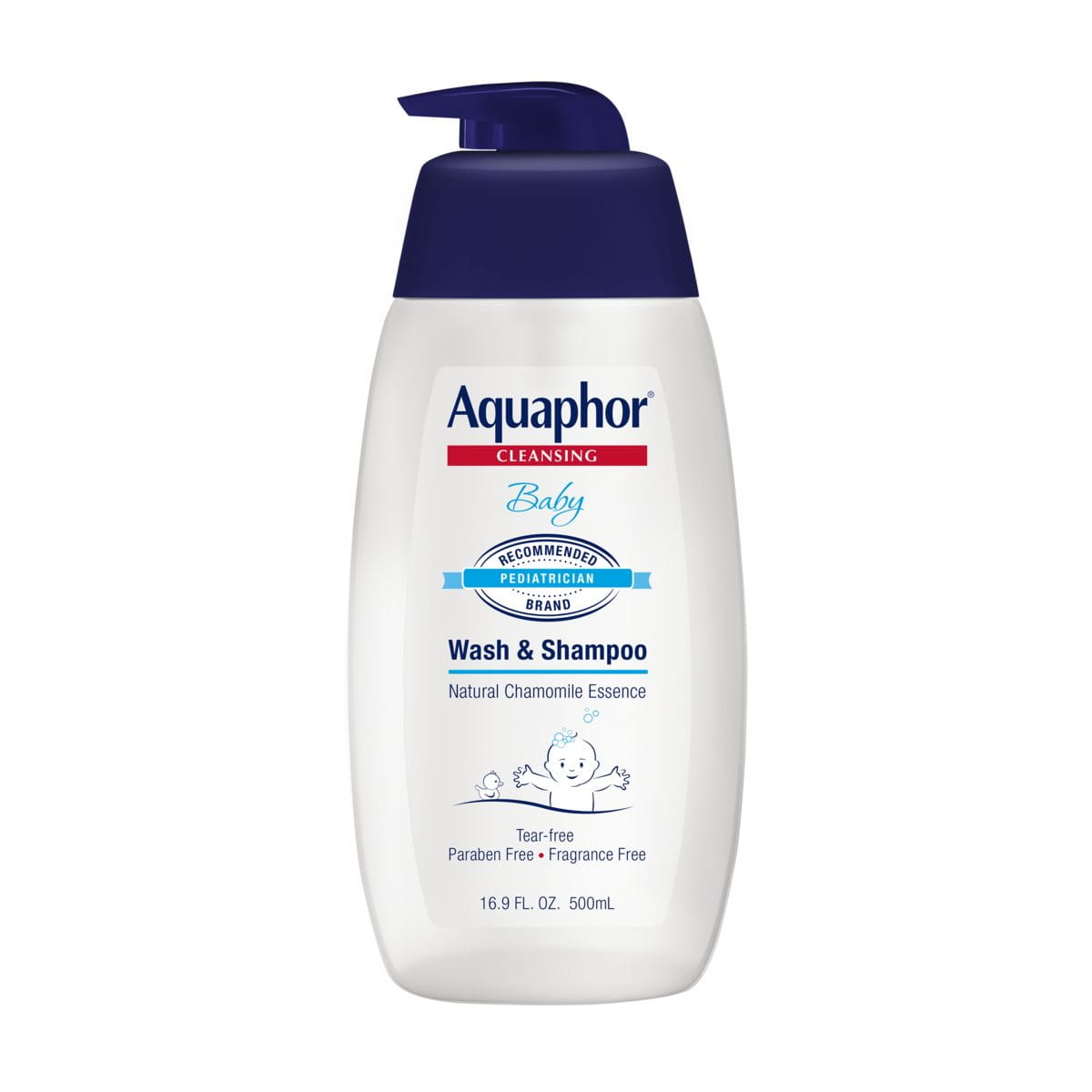
Aquaphor® Baby Wash & Shampoo is a gentle 2-in-1 cleanser for both skin and hair. Its mild formula is designed to cleanse without stripping moisture, making it a simple option for babies and toddlers at bath time.

[featured product module] Aquaphor® Baby Wash & Shampoo

Using one gentle product can help keep bath time simple and consistent.

For a more detailed step-by-step guide to bathing your baby, read our Aquaphor® Baby Bathing Guide.

Additional hair care tips

Beyond washing, a few simple tips can help keep baby and toddler hair looking neat and feeling comfortable.

Baby hair care tips

Keep styles loose and comfortable

Tight hairstyles can pull on your baby’s hair. When styling, opt for loose styles and avoid tight hair ties, rubber bands, clips, or accessories that can tug on their hair. Choosing soft, fabric or silk-covered accessories and headbands can help reduce tugging2.

Giving the scalp a break with tummy time

Spending time on their tummy can help give your baby’s scalp a break from constant contact with surfaces such as cribs or play mats. This can help reduce friction, which may contribute to temporary thinning in certain areas2.

Toddler hair care tips

Brushing or detangling gently

With longer and thicker hair, gentle detangling is an important part of care. Use a soft-bristle brush or wide-tooth comb to help remove tangles without pulling5. Start at the ends and work upward, and detangle the hair when it is slightly damp to make the process easier.

Knowing your toddler’s hair type

As your toddler’s hair continues to grow, it's natural for their texture to become more noticeable6. There are many different hair types from straight to wavy, curly or coily and it’s common for texture to change over time. Getting familiar with your toddler’s hair type can make it easier to choose routines and products that feel comfortable and manageable.

Considering a haircut for comfort

As your baby or toddler’s hair grows, some caregivers choose to trim or cut their hair for comfort and ease of care. While haircuts are not required at any specific age, a light trim can be helpful if hair falls into your little one’s eyes, tangles easily, or feels uncomfortable1. For some babies and toddlers, shorter hair may also feel more comfortable during warmer months.

If you are unsure when or how to trim your child’s hair, a pediatrician can offer guidance.

Commonly asked baby & toddler hair questions (4)

Making Aquaphor® part of your little one’s hair care routine

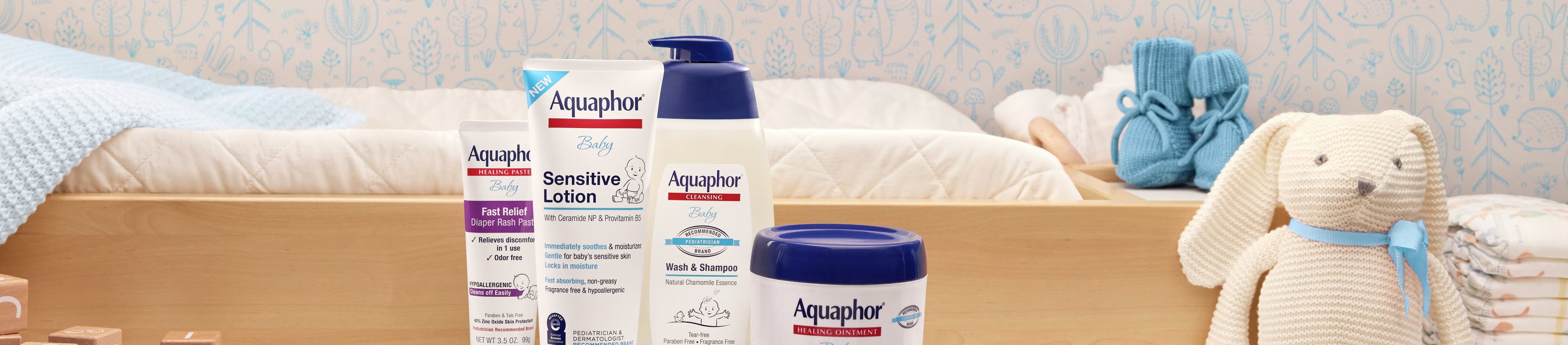
A simple, gentle hair care routine can help keep your baby or toddler’s scalp comfortable. Here’s how Aquaphor® Baby Care can fit naturally into your routine.

  • During bath time: Use Aquaphor® Baby Wash & Shampoo to gently cleanse.
  • After washing: Pat hair dry with a soft towel.
  • As routines evolve: Adjust washing frequency as activity levels change.
With consistent care and gentle products, baby and toddler hair can be an easy, comfortable part of everyday life.

Related Articles

The information provided herein is not intended to be medical advice. Nor is it intended to treat the underlying skin disease or condition. The information is provided solely to:

  1. Moisturize, soften and smooth dry skin 
  2. Improve the appearance of the skin
  3. Achieve healthier-looking skin 

Sources

  1. Newborn Hair: Everywhere or Barely There, It’s All Normal. Healthlinehttps://www.healthline.com/health/baby/newborn-hair.
  2. Higuera, V. 10 Hacks for Baby Hair Growth. Healthline. https://www.healthline.com/health/baby/how-to-make-baby-hair-grow.
  3. Christiano, D. What It Means If Your Baby Is Losing Hair. Healthline. https://www.healthline.com/health/baby/baby-hair-loss.
  4. How to Bathe a Newborn Baby. Healthline. https://www.healthline.com/health/parenting/how-to-bathe-newborn.
  5. Smith-Garcia, D. The 9 Best Baby Hair Brushes. Healthline. https://www.healthline.com/health/baby/baby-hair-brush
  6. Smith-Garcia, D. 11 Products to Care for Your Child’s Curly or Coily Hair. Healthline. https://www.healthline.com/health/parenting/curly-hair-care-for-kids.

Find a Retailer