
Bringing a baby home is a special milestone, but it can often come with difficult changes to your family’s sleep routine. It is normal to wonder why your baby won’t sleep, and what you can do to help bedtime feel more peaceful for everyone. While every baby is different, a soothing routine and comfortable skin can go a long way toward helping your baby feel settled1. In this baby sleep guide, you will learn simple steps for a recommended bedtime routine, and how Aquaphor® Baby Care products can keep your little one’s skin comfortable throughout the night.
Building a soothing bedtime routine for baby
A consistent bedtime routine can signal to your baby that it is time to wind down2. It doesn’t have to be complex; a simple series of calm, predictable steps each evening can help your baby settle more easily.
Here are some ideas to consider when planning your baby’s bedtime routine:
Keep a consistent routine
By following the same steps in the same order each night, you can build a bedtime routine that offers your baby comfortable predictability.
An example of a sleep routine you could implement is2:
- Starting with quiet play or cuddles
- Feeding
- Bath time 3x a week3
- Post-bath skin care and a fresh diaper
- Pajamas or sleep sack
- A song, a story, or gentle rocking
Over time, these familiar cues can help your baby associate this routine with sleep, allowing them to settle and sleep more peacefully.
Bathtime before bed
For many families, bath time is the favorite part of the bedtime routine. A short, warm bath can feel comforting for your baby, and it offers a chance to gently cleanse and care for their delicate skin.
Because a baby’s skin is thin and their protective barrier is still developing4, they tend to lose moisture more easily and are prone to more dryness than adults. That’s why it’s important to keep baths gentle, avoid over-washing, and use products that are made for babies.
Some tips to help ensure your baby is safe in the bath:
- Aim for a quick bath, about 5-10 minutes.
- Use lukewarm water that feels comfortably warm but not hot. You can test this on the inside of your wrist5
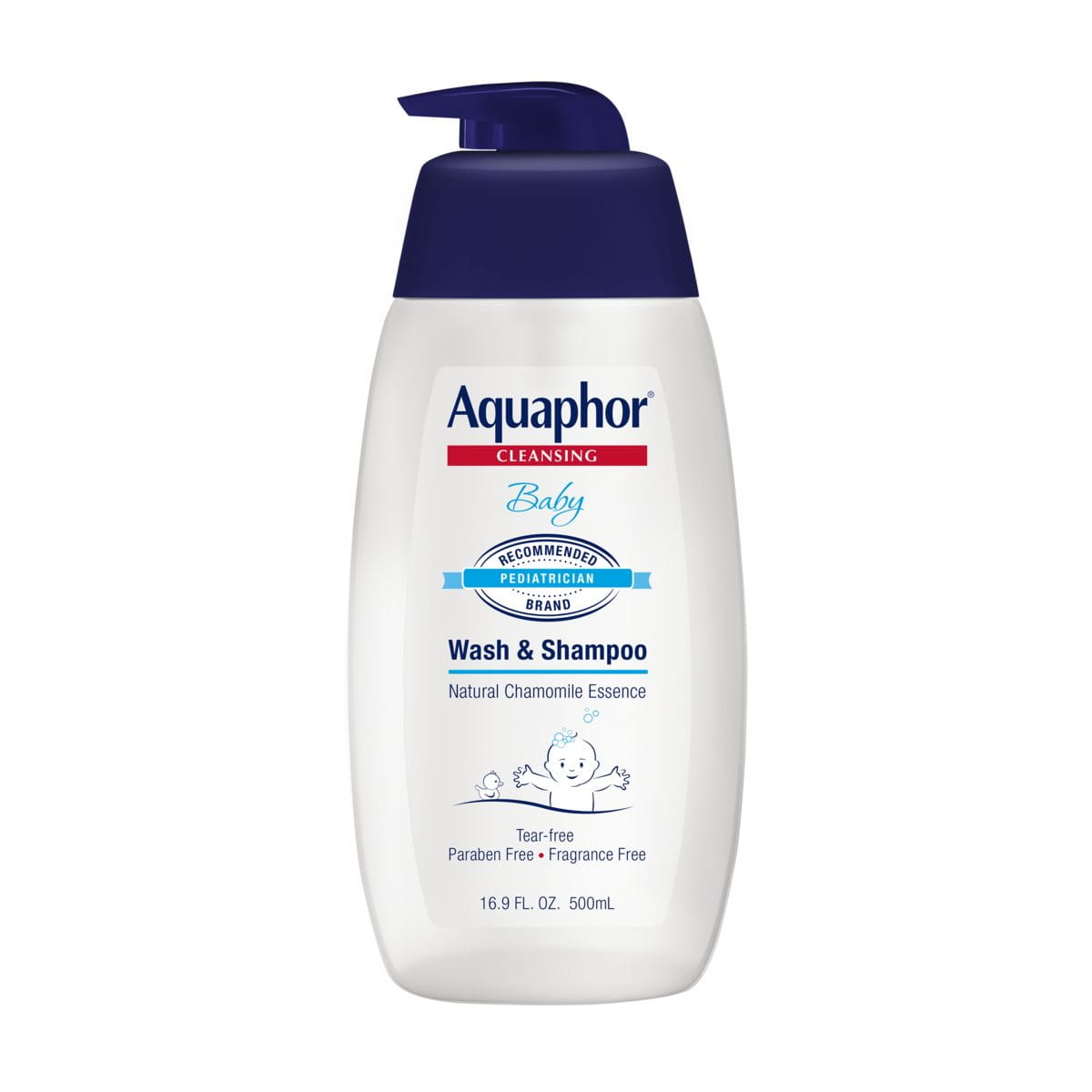
- Choose a mild, fragrance-free cleanser formulated for babies. The Aquaphor® Baby Wash & Shampoo is a 2 in 1 product that gently cleanses your baby without drying their skin.
For a more detailed step-by-step guide to bathing your baby, read our Aquaphor® Baby Bathing Guide.
After bathtime baby skin care
Once bathtime is over, there are additional steps you can take to care for your baby's skin.
Dry your baby’s skin thoroughly
Gently pat your baby’s skin dry with a soft towel, paying special attention to skin folds such as the neck, armpits, and groin, as moisture can linger in these areas6.
Protect and moisturize skin
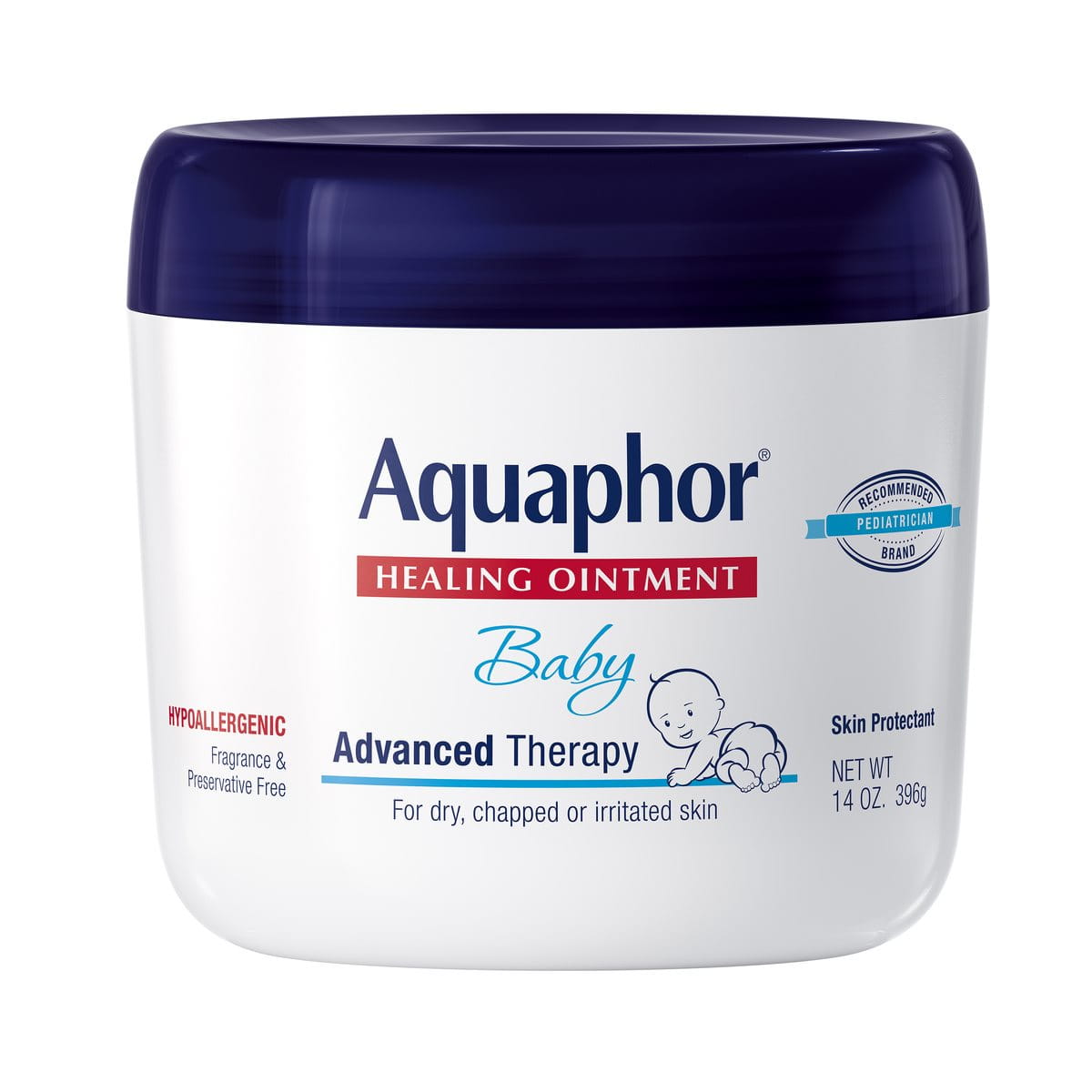
If you notice any areas that are dry or chafed from drool or diapers, apply a moisturizing ointment or cream to clean, dry skin.The Aquaphor® Baby Healing Ointment is a fragrance-free skin protectant ointment aimed to moisturize, nourish, and protect the skin to enhance healing. This multi-purpose ointment can be used for a variety of baby’s skin needs, from chapped cheeks to diaper rash, dry skin, and more.
Put on a fresh diaper and cozy pajamas
After applying ointment or diaper cream as needed, put on a fresh diaper and dress your baby in clean and comfortable pajamas7. Choose soft fabrics and layers appropriate for both the room temperature and time of year, so the baby is not too hot or too cold.
Creating a comfortable sleep environment for baby
Whatever room your baby sleeps in, it is important to create a calm and consistent environment to support comfortable rest.
Consider these comfort-focused tips before bedtime8,9.
- Lighting: Keep the room dim at bedtime with a small night light to make diaper changes and nighttime feedings easier without fully waking your baby.
- Sound: A white noise machine or a fan on low can help soothe.
- Temperature: As mentioned above, aim for a room temperature that will keep your baby sleeping comfortably, between 68°F and 72°F10.
A favorite blanket or stuffed toy can be comforting for supervised wind down time. For sleep, it is always important to consult your pediatrician about safe sleep recommendations and what should and should not be in the baby’s sleep space.
“My baby won’t sleep” - comfort concerns to consider
When your baby wakes up frequently, it can be stressful not knowing what’s wrong. Sometimes, the reason is simply that your baby is hungry or growing. But other times, skin discomfort can make it harder for your baby to sleep11.
Below are a few common skin-related concerns that may contribute to fussiness at bedtime12, along with ways that Aquaphor® Baby can help keep your baby more comfortable. If you are ever unsure that there is a bigger medical concern, it is important to consult your pediatrician.
Diaper rash discomfort
Diaper rash is one of the most common skin concerns for babies. It is often caused by contact with wet or soiled diapers, friction, or other sources of irritation13. An irritated diaper area can make lying down uncomfortable. It is important to use a skin protectant ointment or diaper rash cream at every diaper change, change diapers frequently, including right before bedtime, to minimize prolonged skin contact with a wet or soiled diaper.
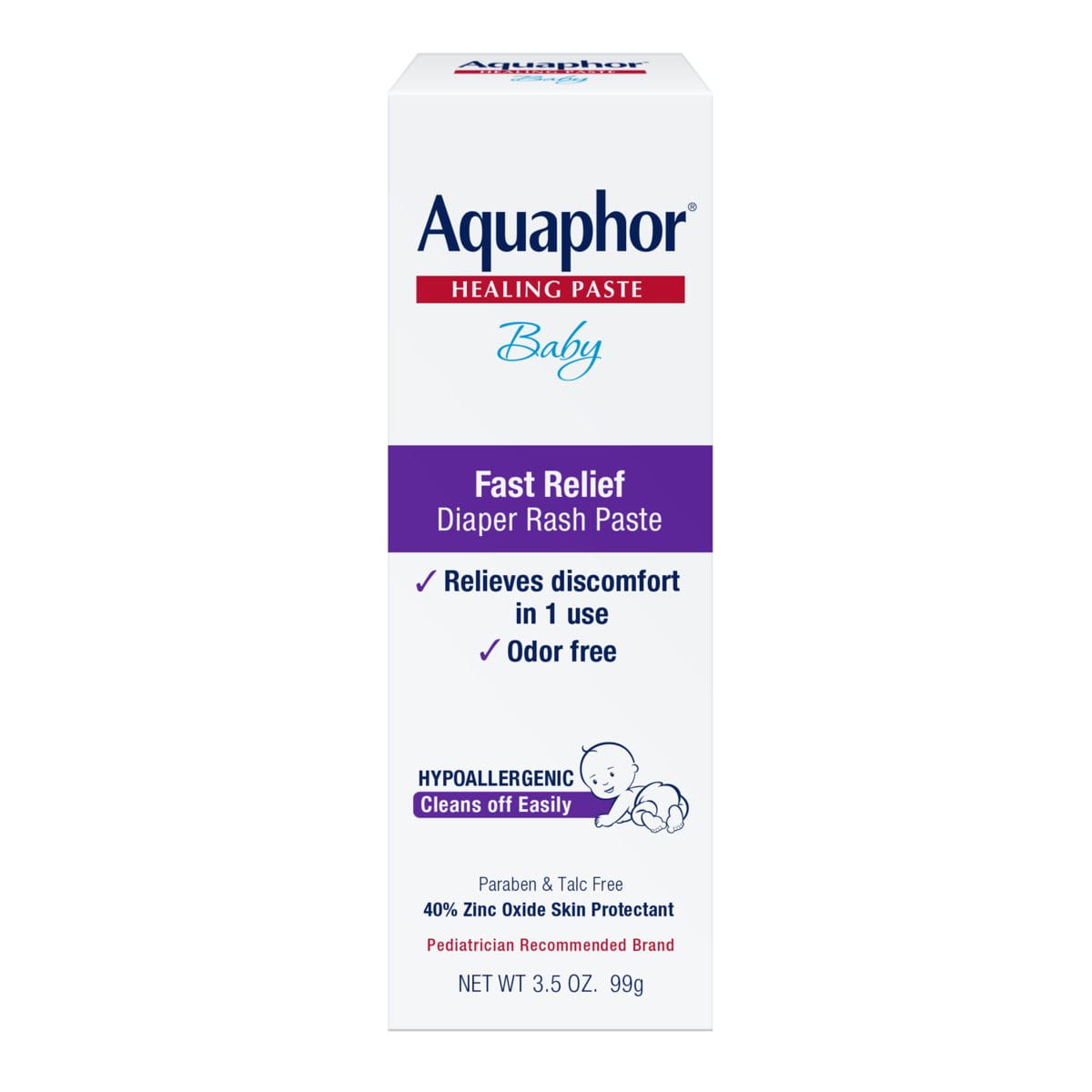
If your baby does experience diaper rash, the Aquaphor Diaper Rash Cream or the Aquaphor Baby Diaper Rash Paste can help protect your baby’s skin and soothe diaper rash discomfort.

For more detailed guidance on diaper rash, read our Aquaphor® Diaper Rash Treatment and Prevention guide.
Dry or chafed skin
Because a baby’s skin is still developing its moisture barrier, it can be more vulnerable to moisture loss and dryness14, which may show up as roughness, flakiness, or tight-feeling skin. Areas that rub against clothing, car seat straps, or blankets may feel especially uncomfortable when your baby is trying to relax.
A common area babies experience dry skin is on the top of their head. While harmless, having a dry scalp may lead to your baby feeling uncomfortable and restless. Learn more about signs of baby dry scalp and how to manage it here.
As mentioned above, the Aquaphor® Baby Healing Ointment is a soothing product to help lock in moisture and it can be applied to your baby’s scalp to help soothe dry skin.
Drool rash or teething rash
During teething, extra drool can sit on the skin around the mouth, chin, and chest. This can irritate the delicate areas of the skin and may lead to redness - commonly called drool rash or teething rash15. This can feel uncomfortable, especially when a baby is lying on their side. To minimize prolonged saliva contact with the skin, gently pat away drool with a soft cloth and avoid harsh rubbing, and use a skin protectant ointment like Aquaphor Baby Healing Ointment to help protect baby’s delicate skin.
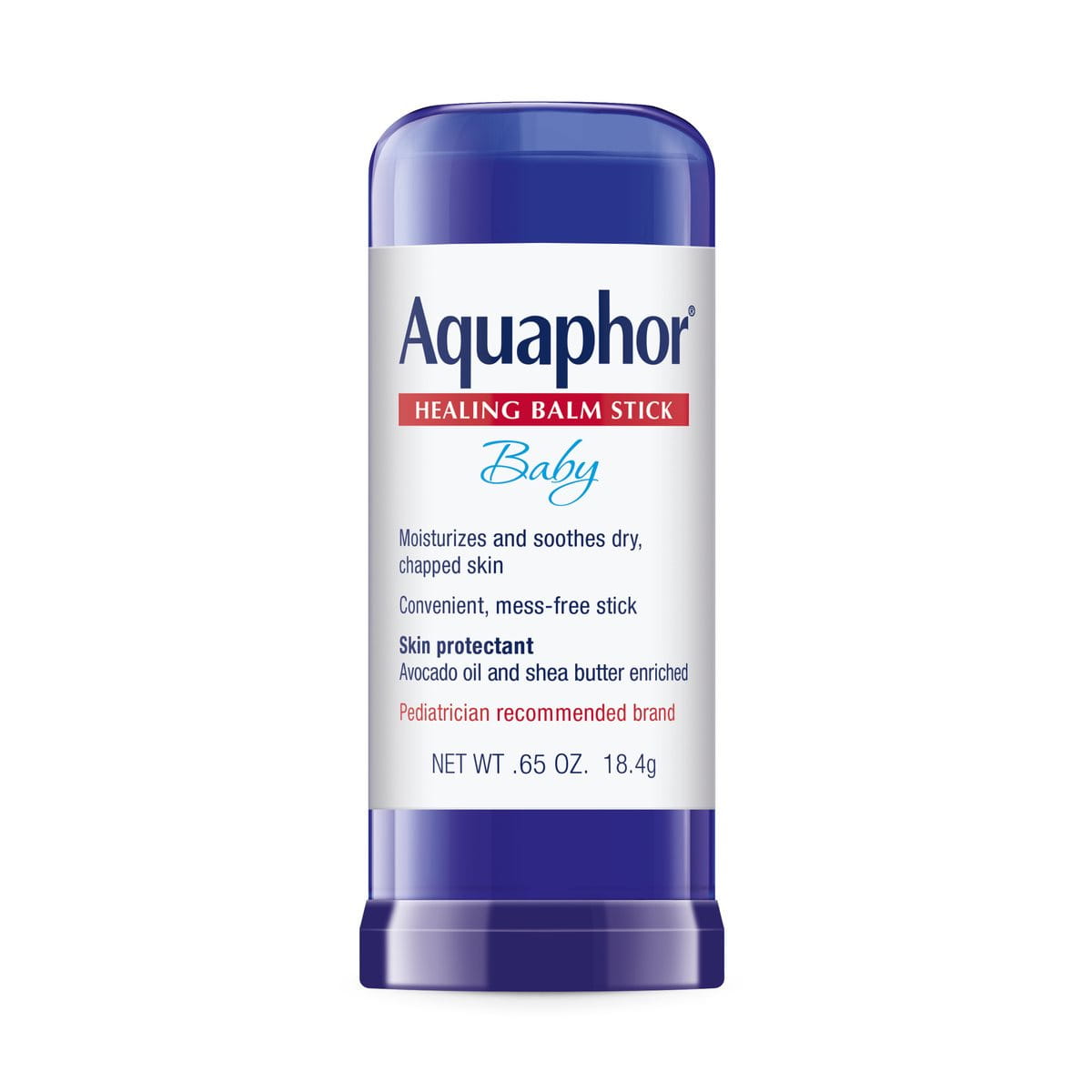
For a convenient drool rash treatment on the go, Aquaphor® Baby Healing Balm Stick delivers the soothing power of Aquaphor in a portable, versatile stick format enriched with avocado oil and shea butter for smooth application. This skin protectant formula moisturizes and soothes dry skin and helps protect baby’s skin to help heal drool rash.
For more information, read our guide to identifying, soothing and preventing teething and drool rash.
Other reasons for baby sleep discomfort
Sometimes, the answer to “Why won’t my baby sleep?” has little to do with skin discomfort. A baby’s sleep can be affected by16:
- Hunger
- Growth spurts
- Changes in routine
- Over-tiredness or overstimulation
- Milestones like rolling, crawling, or pulling up.
If you notice symptoms like fever, difficulty breathing, or unusual behavior, reach out to your healthcare provider right away.
Making Aquaphor® a part of your baby’s nighttime routine
It is important to make sure your little one is comfortable, so they can sleep peacefully and you can have peace of mind throughout the night. Aquaphor® Baby Care products are specifically formulated for delicate skin and can fit naturally into the simple steps you take each night.
A recap of when the Aquaphor® Baby line can help support your nighttime routine:
- During bathtime: Use the Aquaphor® Baby Wash & Shampoo to gently cleanse your baby’s skin and hair.
- After the bath: Use the Aquaphor&® Baby Healing Ointment or the Aquaphor® Baby Healing Balm Stick to soothe areas prone to dryness, chafing, or drool.
- At diaper changes, especially before bed: Use the Aquaphor® Diaper Rash Cream or the Aquaphor® Baby Diaper Rash Paste, depending on need, to help protect your baby’s skin from possible diaper rash discomfort.
With these simple steps, Aquaphor® Baby Care can help keep your baby’s skin comfortable so you can both focus on winding down for the night and getting a good night's sleep.
The information provided herein is not intended to be medical advice. Nor is it intended to treat the underlying skin disease or condition. The information is provided solely to:
- Moisturize, soften and smooth dry skin
- Improve the appearance of the skin
- Achieve healthier-looking skin
Sources
- Mayo Clinic Staff. Help Your Baby Sleep through the Night. Mayo Clinic. https://www.mayoclinic.org/healthy-lifestyle/infant-and-toddler-health/in-depth/baby-sleep/art-20045014.
- Clinic, C. Should Your Baby Have a Bedtime Routine? Cleveland Clinic. https://health.clevelandclinic.org/bedtime-routine-for-babies.
- A parent’s guide to newborn baths. Mayo Clinic. https://www.mayoclinic.org/healthy-lifestyle/infant-and-toddler-health/in-depth/healthy-baby/art-20044438.
- Telofski, L. S.; Morello, A. P.; Mack Correa, M. C.; Stamatas, G. N. The Infant Skin Barrier: Can We Preserve, Protect, and Enhance the Barrier? Dermatology Research and Practice 2012, 2012, 1–18. https://doi.org/10.1155/2012/198789.
- Bath Time Safety for Your Baby. Cleveland Clinic. https://health.clevelandclinic.org/bath-safety-tips-for-your-child.
- Rahma, A.; Lane, M. E. Skin Barrier Function in Infants: Update and Outlook. Pharmaceutics 2022, 14 (2), 1–25. https://doi.org/10.3390/pharmaceutics14020433.
- Wesner, E.; Vassantachart, J. M.; Jacob, S. E. Art of Prevention: The Importance of Proper Diapering Practices. International Journal of Women’s Dermatology 2019, 5 (4), 233–234. https://doi.org/10.1016/j.ijwd.2019.02.005.
- Stanford Children’s Health. Stanfordchildrens.org. https://www.stanfordchildrens.org/en/topic/default?id=infant-sleep-90-P02237.
- McTigue, S. What Do You Do When Your Baby Won’t Sleep in the Crib? Healthline. https://www.healthline.com/health/baby/baby-wont-sleep-in-crib#crib-tips-for-baby.
- Barth, L. How to Dress Baby for Sleep. Healthline. https://www.healthline.com/health/baby/how-to-dress-baby-for-sleep#examples.
- Bawany, F.; Northcott, C. A.; Beck, L. A.; Pigeon, W. R. Sleep Disturbances and Atopic Dermatitis: Relationships, Methods for Assessment, and Therapies. The journal of allergy and clinical immunology. In practice 2021, 9 (4), 1488–1500. https://doi.org/10.1016/j.jaip.2020.12.007.
- Skin Care for Your Baby. Paediatrics & Child Health 2007, 12 (3), 245–247. https://doi.org/10.1093/pch/12.3.245.
- Diaper Rash: Causes, Symptoms, Treatment & Prevention. Cleveland Clinic. https://my.clevelandclinic.org/health/diseases/11037-diaper-rash-diaper-dermatitis.
- Saijo, S.; Tagami, H. Dry Skin of Newborn Infants: Functional Analysis of the Stratum Corneum. Pediatric Dermatology 1991, 8 (2), 155–159. https://doi.org/10.1111/j.1525-1470.1991.tb00308.x.
- Norris, T. Identifying and Treating Teething Rashes. Healthline. https://www.healthline.com/health/parenting/rashes-with-teething.
- NHS. Helping your baby to sleep. nhs.uk. https://www.nhs.uk/baby/caring-for-a-newborn/helping-your-baby-to-sleep/.