A consistent routine helps ease the shift to bedtime for both babies and new parents, especially once babies are around three months and older. They don’t understand the clock, but they do understand patterns: when the same steps happen in the same order each night, those steps start to feel familiar, safe, and calming. Routines do not need to be elaborate or perfectly timed, just consistent. Over time, these repeated cues help create a smoother wind-down, making bedtime feel predictable for the whole family.
What Is a Baby Bedtime Routine?
A baby bedtime routine is a consistent series of calming activities that happen before putting your baby down to sleep for the night. It might include bath time, a skincare routine, putting on pajamas, reading a short book, and settling into the crib. Simple repetition makes a difference. Remember that the goal isn’t to create a strict schedule, but to build a pattern that signals the day is ending that is realistic for you to follow consistently.
When bath, lotion, pajamas, story, and bed happen in that same order each night, babies begin to associate those steps with sleep. And little is more valuable to a new parent than everyone falling and staying asleep.
Why Is a Calming Bedtime Routine Important?
During the day, babies take in new sounds, textures, movement, and conversation. Bedtime becomes a chance to slowly bring that stimulation down.
Lower lighting, softer voices, and slower movements all work together to help your baby transition from active to restful. For parents, having a predictable routine can make evenings feel less reactive. Instead of scrambling once your baby is overtired, you’re moving through a rhythm that already feels familiar.
How to Build a Baby Sleep Routine Step by Step
A calming bedtime routine doesn’t have to be long. It just needs to follow a similar flow each night. An example routine could include the following:
- Bath time (a few nights per week or more as they get older)
- Apply baby lotion
- Put on pajamas
- Read a short book
- Settle into crib
Bath time often becomes the first signal that playtime is over. Afterward, applying a gentle, fragrance-free baby lotion hydrates the baby's skin to help maintain softness, especially in cooler weather or air-conditioned rooms. Warming lotion between your hands and smoothing it onto arms and legs adds a moment of calm, consistent touch before pajamas go on. Using a slower pace for this activity becomes part of the bedtime rhythm that your baby starts to recognize.
If you’re looking for more detailed bathing tips, see our full baby bathing guide.
Building a Baby Sleep Routine by Age
Sleep Routine for Babies 3–6 Months
At this stage, evening time may still feel flexible. Sleep can come in shorter stretches, and timing might vary from day to day. Keeping the routine short and steady is often most helpful early on. Examples of bedtime activities during this time are dimming the lights, giving a short bath a few nights a week, applying baby lotion afterward, putting on pajamas, feeding, and gently rocking with white noise or soft music.
Even if sleep timing shifts from day to day, repeating the same sequence helps build familiarity. At this stage, you’re introducing the idea of winding down at night rather than enforcing perfection.
Sleep Routine for 12 Month Old
By twelve months, many babies respond more strongly to routine, and bedtime often becomes more predictable. At this stage, the routine may be a bath, baby lotion, pajamas, a short book, and into the crib. Toddlers may resist transitions, which makes consistency even more important. Keeping the order the same each night can help reduce bedtime pushback and make the process feel smoother for both parents and child.
What If Your Baby Resists Bedtime?
It’s completely normal for routines to feel easy one week and harder the next. Travel, growth spurts, developmental changes, or even small schedule shifts can affect sleep.
If bedtime suddenly feels more challenging, small tweaks usually help more than starting from scratch. You might adjust bedtime slightly earlier or later, or shorten the routine while keeping the same general order.
A baby bedtime routine works best when it feels steady, even when the day has not.
How Do You Help a Baby Wind Down at Night?
Helping a baby wind down at night starts with reducing stimulation through dim lighting, quiet voices, and slower movements.
It also means choosing calming, repetitive steps that feel predictable. Bath time relaxes the body, baby lotion adds gentle touch, pajamas create warmth, and reading signals quiet time.
Together, those pieces form a calming bedtime routine that helps babies recognize the pattern. Over time, that pattern becomes familiar, and familiarity becomes soothing.
Why Consistency Matters More Than Complexity
Some bedtime routines are long and elaborate, while others are simple and brief. What matters most is consistency. A simple routine repeated nightly is often more effective than an elaborate one that changes constantly. When baby lotion is used at the same point each evening, it becomes part of the signal that connects bath time to pajamas, pajamas to story time, and story time to sleep. That steady sequence builds predictability, and predictability builds calm.

Baby Bedtime Routine FAQs (4)
-
How long should a baby bedtime routine be?
Most routines last between 20 and 30 minutes, depending on age. The exact length matters less than consistency. -
Should you bathe a baby every night before bed?
Not necessarily. Many families bathe babies two to three times per week and keep the rest of the bedtime routine consistent on non-bath nights. As babies get older and are more active, daily bathing may become helpful. -
Can baby lotion be used every night?
Baby lotion is commonly used once daily as part of an evening routine for babies three months and older. Frequency can vary based on climate and personal preference. -
What helps babies wind down at night?
Lower lighting, quiet voices, gentle touch, and predictable steps all help reduce stimulation before sleep.
Making Bedtime Easier with Aquaphor Baby
With Aquaphor Baby, caring for your baby’s skin can fit naturally into your calming bedtime routine.
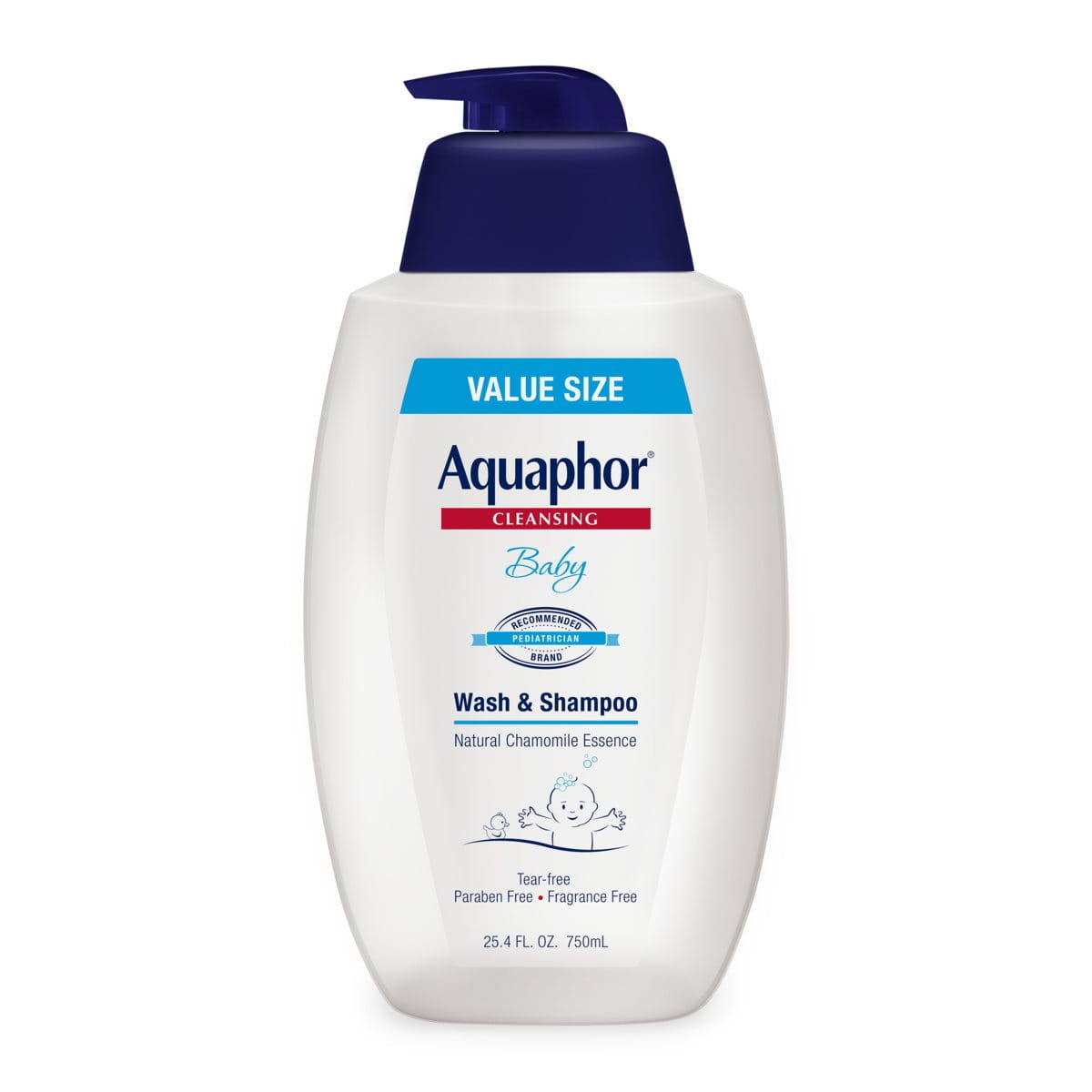
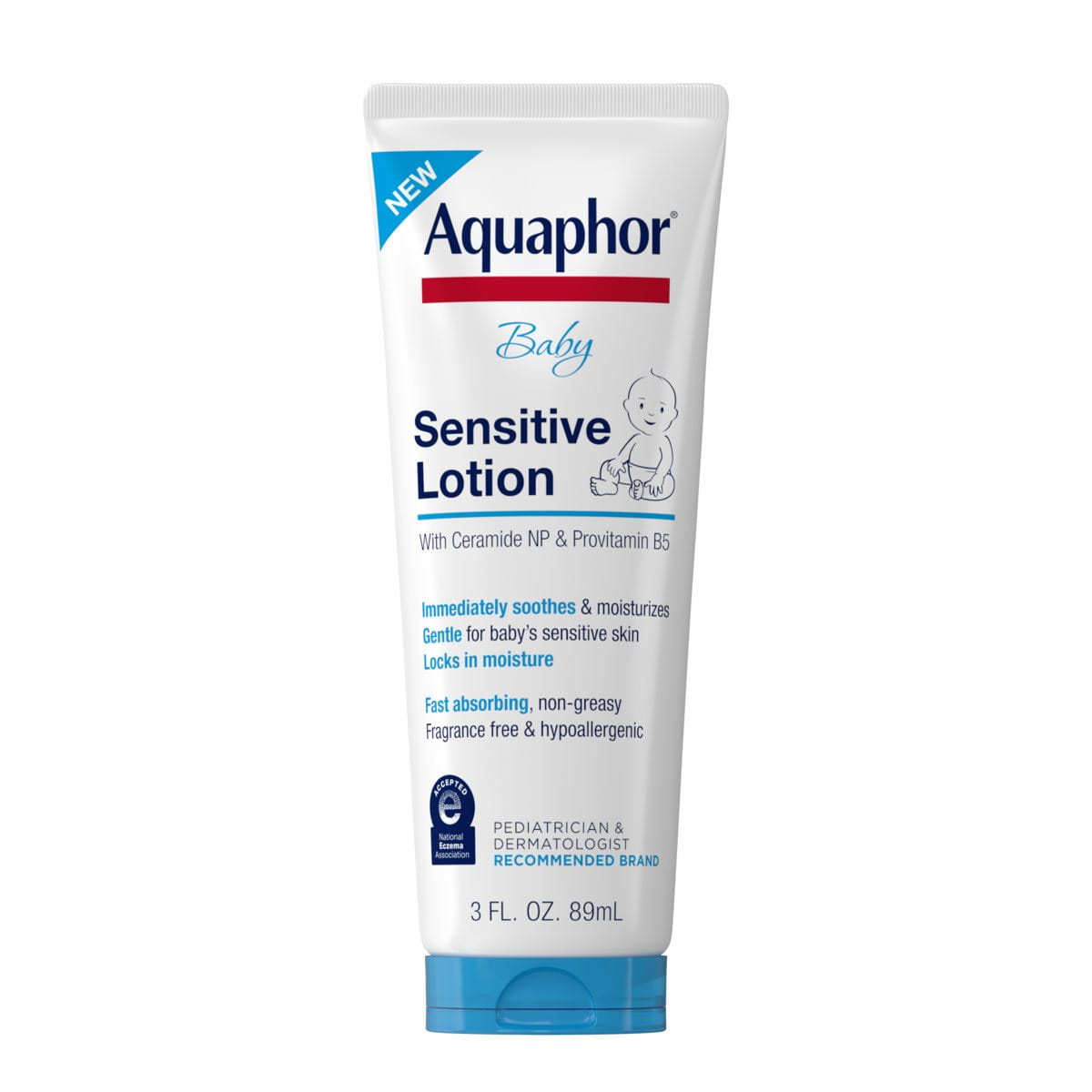
Aquaphor Baby Wash & Shampoo gently cleanses without drying, making bath time simple and soothing. After bath time, Aquaphor Baby Sensitive Lotion can help maintain softness as part of your nightly rhythm.
By keeping bedtime predictable and choosing gentle products designed for sensitive skin, you can help create a baby bedtime routine that truly feels calm - for both you and baby.